.svg)

.svg)
.webp)


.png)
.webp)
Workflow engines are the backbone of modern business operations, automating and optimizing processes to boost efficiency and consistency. Dynamic workflow engines, in particular, are advanced software tools designed to automate, monitor, and optimize workflows within organizations.
These engines excel in managing both sequential and parallel processes, assigning tasks, and ensuring compliance with predefined rules and conditions. Their flexibility and adaptability are pivotal for handling complex and evolving business processes.
These tools enable organizations to swiftly adjust workflows in response to changing requirements and market dynamics. This agility significantly enhances productivity, improves decision-making, and fosters innovation across various industries.
If you're planning to build a customized workflow engine, choosing the right tools is essential. It's crucial to understand which tools best suit your requirements and how to effectively build dynamic workflow engines.
This article covers the basics of workflow automation, key considerations for designing dynamic workflows, and practical tips for implementing and optimizing workflow engines.
What Are Dynamic Workflow Engines?
Dynamic workflow engines are software systems that automate, manage, and optimize business processes in a flexible and adaptive manner. Unlike static workflows that follow predefined sequences, dynamic workflow engines allow for real-time adjustments and modifications based on changing conditions, inputs, or business rules.
For example, in a dynamic workflow engine used by a healthcare organization, if a patient's condition changes, the workflow can dynamically adjust tasks, notifications, and approvals required for their care. This flexibility ensures that processes remain efficient and responsive to evolving situations, ultimately improving patient outcomes and operational efficiency.
Dynamic workflow engines find diverse applications across various industries and organizational functions. Here are some key use cases and applications:
- Business Process Management (BPM): Automating and optimizing workflows across departments such as finance, HR, and operations. Streamlining approval processes, document management, and resource allocation.
- Compliance and Regulatory Processes: Ensuring adherence to industry regulations (e.g., GDPR, HIPAA) through automated compliance checks and audits. Managing documentation and ensuring traceability of compliance activities.
- Customer Relationship Management (CRM): Automating customer onboarding processes, service requests, and support ticket management. Enhancing customer engagement through personalized workflows and automated follow-ups.
- Project Management: Managing project timelines, task assignments, and resource allocation. Automating project approval workflows, change requests, and milestone tracking.
- Supply Chain Management (SCM): Optimizing inventory management, order processing, and logistics through automated workflows. Integrating with suppliers and partners for seamless supply chain operations.
- Healthcare Management: Automating patient scheduling, medical record management, and billing processes. Improving care coordination among healthcare providers and departments.
Key Components of Dynamic Workflow Engine and Workflow Automation Engine
Combined, these components will allow building a scalable workflow automation engine for business processes execution, approvals, integrations, and workflow execution. These components should be considered while building scalable workflow automation solutions.
- Trigger Engine: The trigger engine starts workflow execution upon certain triggers. Trigger sources may include requests to the API, database transactions, user actions, scheduled jobs, webhooks, and other external systems.
- Decision and Rule Layer: The decision layer evaluates business rules and defines the next step in the workflow. This component provides a means for routing and branching of the workflow, making decisions about approval and executing business logic.
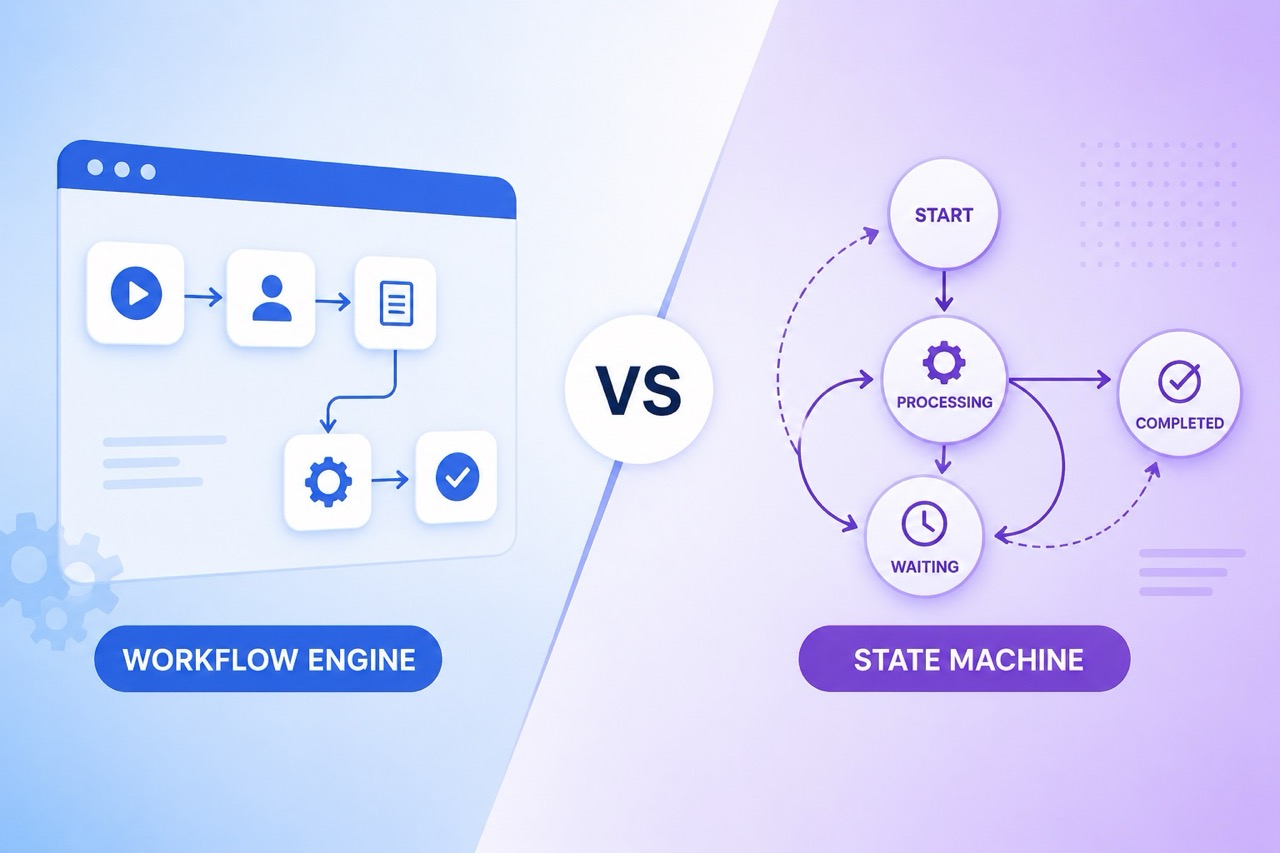
- State Management Layer: The workflow engine should track the current state of all workflow instances. The state management component keeps track of completed and pending activities, execution history, and other aspects of workflow progress at different stages.
- Task Queue and Execution Layer: Execution layer asynchronously executes workflow tasks and distributes work between workers. This improves scalability and the ability to handle large transaction volumes in the workflow.
- Monitoring and Observability Layer: Monitoring systems give information about workflow execution, errors, performance problems, and other aspects that are important to improve workflow efficiency and fix problems.
How Does a Dynamic Workflow Engine Differ from Traditional Workflow Management Systems?
A dynamic workflow engine differs from traditional workflow management systems primarily in terms of flexibility, adaptability, and real-time responsiveness.
Here's a comparison table outlining the differences between dynamic workflow engines and traditional workflow management systems:
What are the types of workflow engines?
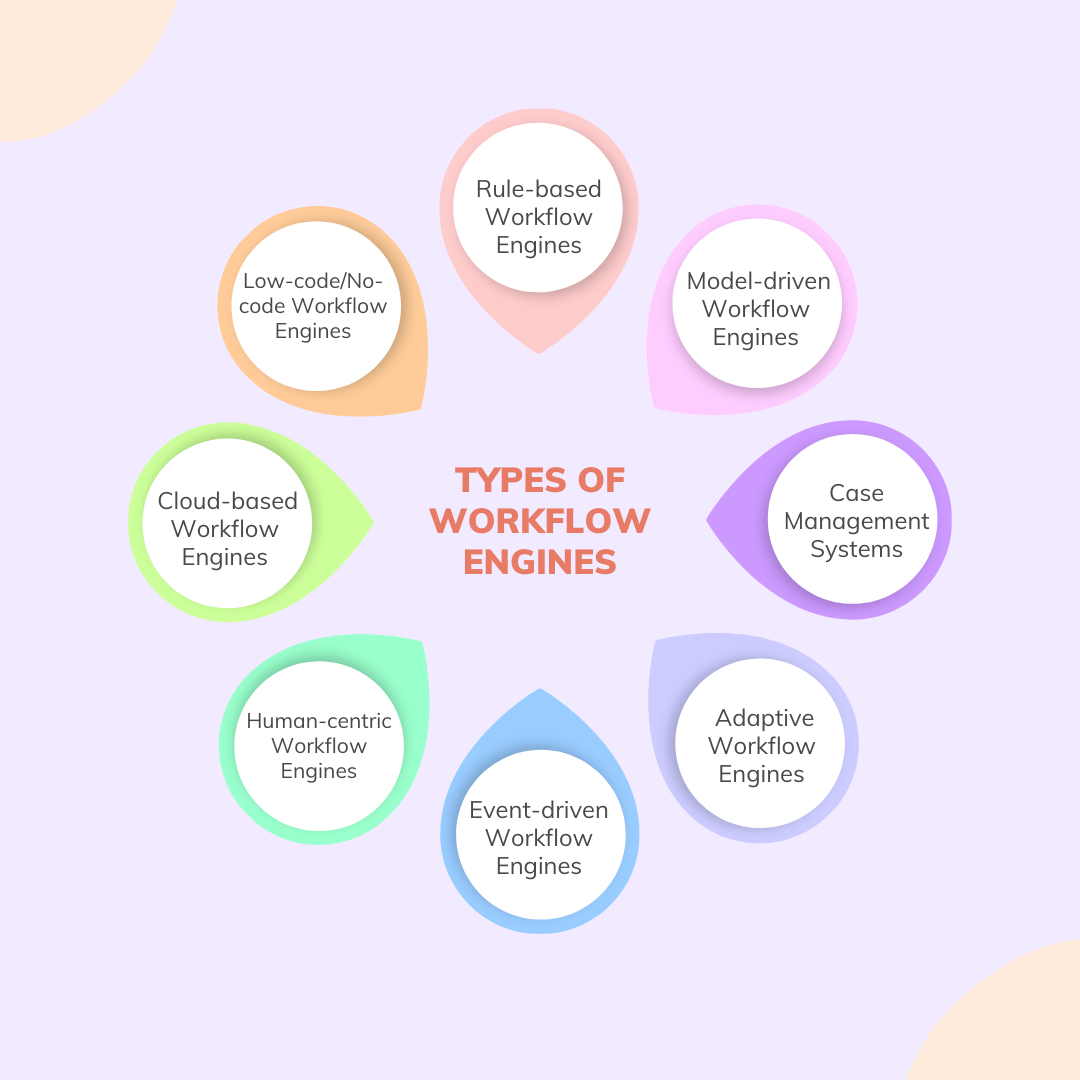
Workflow engines can be categorized into various types based on their functionalities and how they manage and automate workflows. Here are the types of workflow engines:
1. Rule-based Workflow Engines: These engines automate workflows based on predefined rules and conditions. They are effective for standardizing processes and enforcing business rules across organizations.
2. Model-driven Workflow Engines: These engines use models or diagrams to define and execute workflows. They visualize workflow processes, making it easier for stakeholders to understand and modify workflows as needed.
3. Case Management Systems: These systems manage complex, unstructured processes where the sequence of tasks may vary based on the case or situation. They are flexible and adaptive, allowing for dynamic changes in workflows.
4. Adaptive Workflow Engines: These engines dynamically adjust workflows in response to changing conditions or events. They are highly flexible and suitable for environments where workflows need to be responsive and agile.
5. Event-driven Workflow Engines: These engines trigger workflows based on specific events or conditions. They automate tasks based on real-time events, enhancing responsiveness and efficiency.
6. Human-centric Workflow Engines: These engines focus on workflows that involve human interactions and decision-making. They streamline collaboration, task assignment, and approvals among individuals or teams.
7. Cloud-based Workflow Engines: These engines operate in cloud environments, offering scalability, accessibility, and integration with other cloud services. They are ideal for distributed teams and scalable business operations.
8. Low-code/No-code Workflow Engines: These engines allow users to create and manage workflows with minimal or no programming knowledge. They empower business users to automate processes quickly and efficiently.
Dynamic Workflow Engine Architecture and Dynamic Workflow Diagrams
Most dynamic workflow diagrams include triggers, decision nodes, workflow states, execution layers, and integration points. These diagrams help teams visualize workflow execution paths and identify optimization opportunities before implementation.
Workflow Execution Flow
- A certain event or trigger kicks off the workflow process.
- Context of the workflow is loaded.
- Business rules are considered.
- Tasks are assigned/executed.
- External systems are accessed if necessary.
- Workflow status is updated.
- Monitoring/audit logs are created.
Event-Driven Workflow Engine Architecture
The modern-day event-driven workflows rely on business events, API calls, database changes, and user interactions to start workflow processes. This technique allows for improving efficiency and making adjustments to the workflows according to real-life business conditions.
Workflow Orchestration Layer
Orchestration layer controls tasks, approvals, integrations, notifications, and workflow transitions. It makes sure that the workflow process stays consistent regardless of the number of systems involved in it.
Performance Considerations for Dynamic Workflow Engines
When building a dynamic workflow engine, performance and reliability are critical design factors. Ineffective workflow systems can cause bottlenecks, introduce latency, and affect the efficiency of operations.
- Latency Management: The decision-making process related to workflows needs to happen as quickly as possible. Caching, asynchronous processes, and efficient rule evaluation minimize the latency in executing decisions.
- Concurrency Management: Multiple workflows may need to run at the same time on a workflow engine. Appropriate concurrency management ensures that there will be no race conditions and that data is consistent.
- Scalability: Workflow automation engines need to be scalable for large volumes of workloads. Scalability allows distributed execution and queuing architectures.
- Fault Tolerance: Workflows are supposed to continue functioning despite the unavailability of services.
Read more: Building a WorkflowEngine with PHP
How to Implement a Dynamic Workflow Engine for Business Process Automation?
Implementing a dynamic workflow engine involves several key steps to ensure successful integration and adoption within your organization:
1. Define Your Objectives
List out the key processes that need to be automated or optimized. Determine what you want to achieve with the workflow engine, such as increased efficiency, reduced errors, or improved compliance.
2. Select the Right Workflow Engine
Login to Nected, a low-code, no-code tool with advanced dynamic workflow capabilities, enabling easy customization and management of diverse workflows within the platform.
3. Map Out Your Workflow
Clearly outline each step of your current workflows. Determine where decisions are made and what criteria are used. Identify any conditions or rules that affect the flow of processes.
4. Design the Workflow
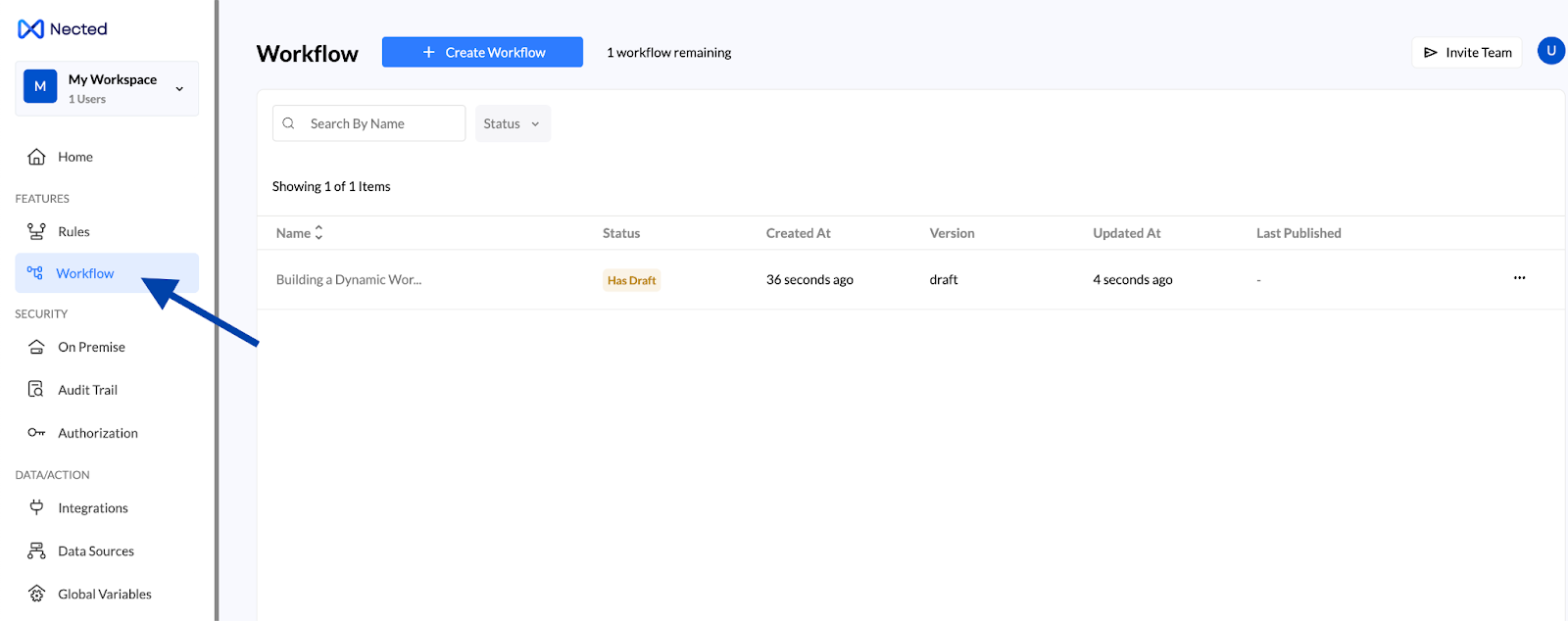
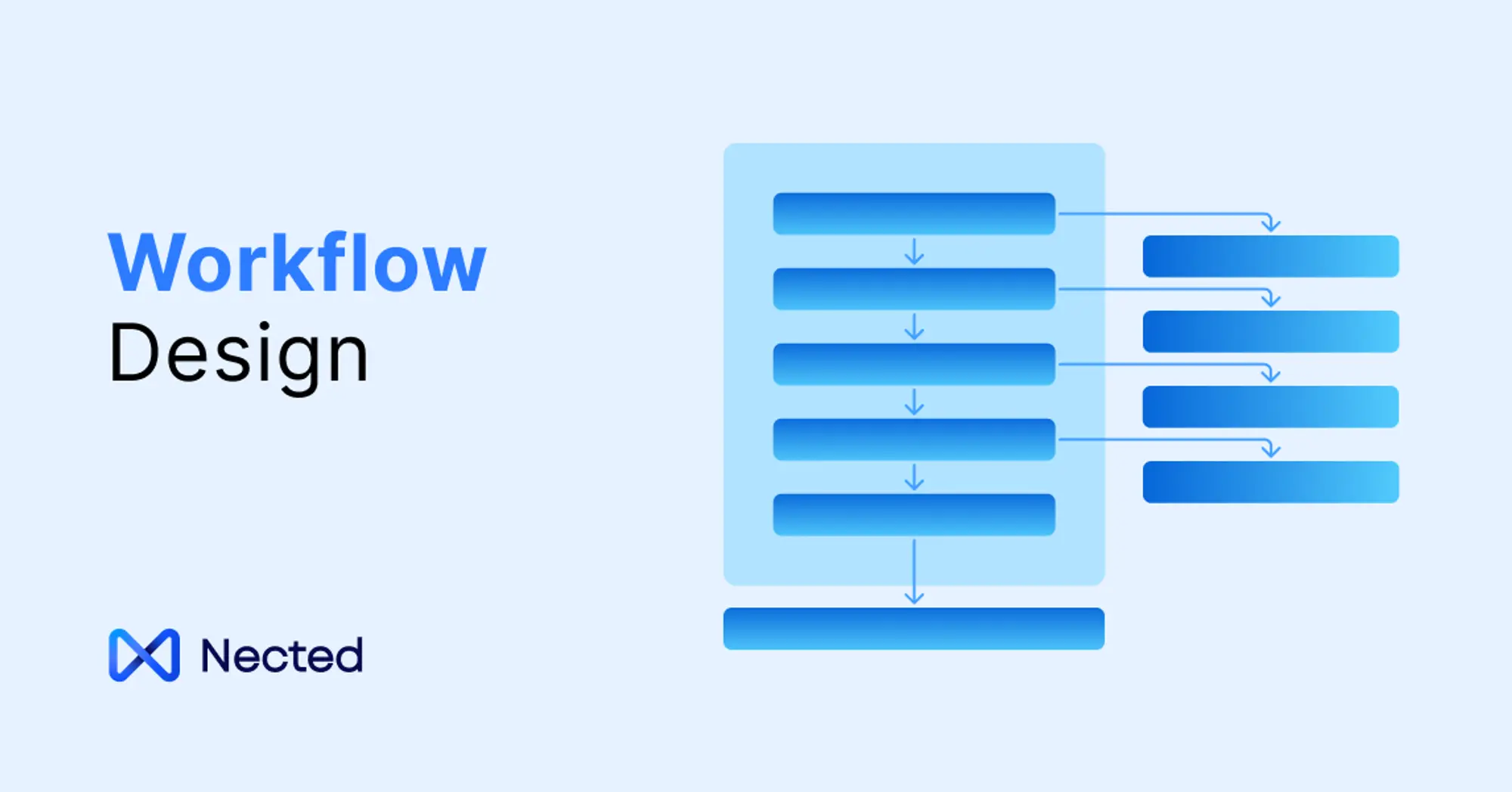
Click on the Workflow option from the left sidebar, then click on Create Workflow. Design workflows that reflect your business processes and objectives by mapping out steps, decision points, tasks, and integration points.
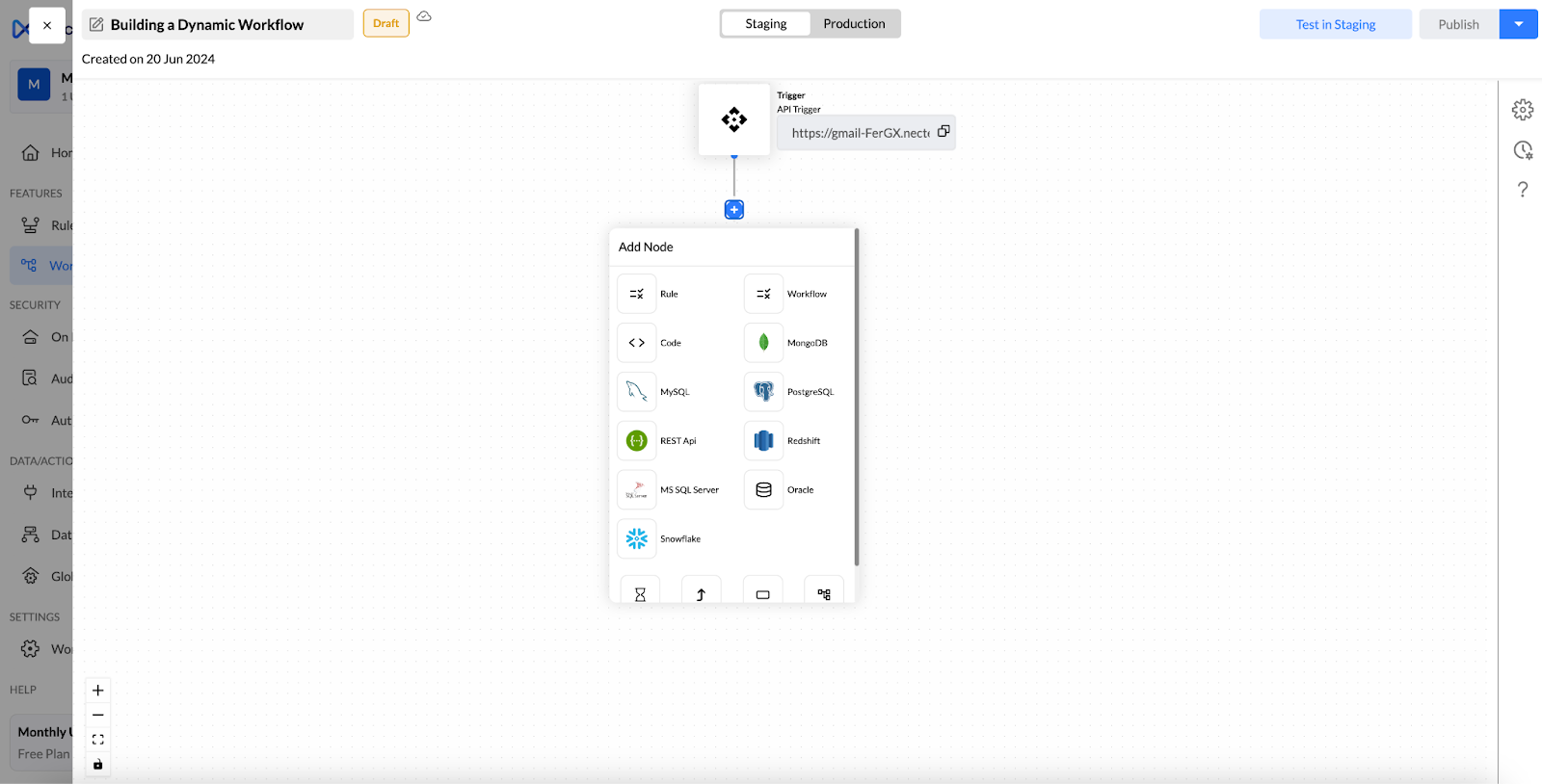
Use the workflow engine’s visual design tools to create a workflow diagram. Break down processes into individual tasks and assign responsibilities. Define triggers for each task and specify the resulting actions. Integrate with other systems and databases to ensure smooth data flow.
5. Configure Automation Rules
Define conditions under which tasks are executed or skipped. Configure the engine to automatically perform repetitive tasks. Set up alerts and notifications to keep stakeholders informed of progress and issues.
To understand the detailed step-by-step process, you can refer to this page outlining how efficiently you can build a dynamic workflow. It covers setting up the workflow, configuring triggers, adding input parameters, adding nodes, testing, and publishing workflows.
6. Test the Workflow
Use the simulation feature to test different scenarios and ensure the workflow behaves as expected. Verify that the outputs meet the expected outcomes for each scenario. Detect and resolve any errors or inefficiencies.
7. Implement and Monitor
Roll out the workflow to the relevant teams or departments. Continuously monitor the workflow’s performance using real-time dashboards and reports. Collect feedback from users to identify areas for improvement.
8. Clone the workflow
For future reference, you have the option to clone and delete workflows as needed within Nected. Cloning allows you to duplicate an existing workflow, which you can then modify using the Edit button to suit specific requirements or scenarios.
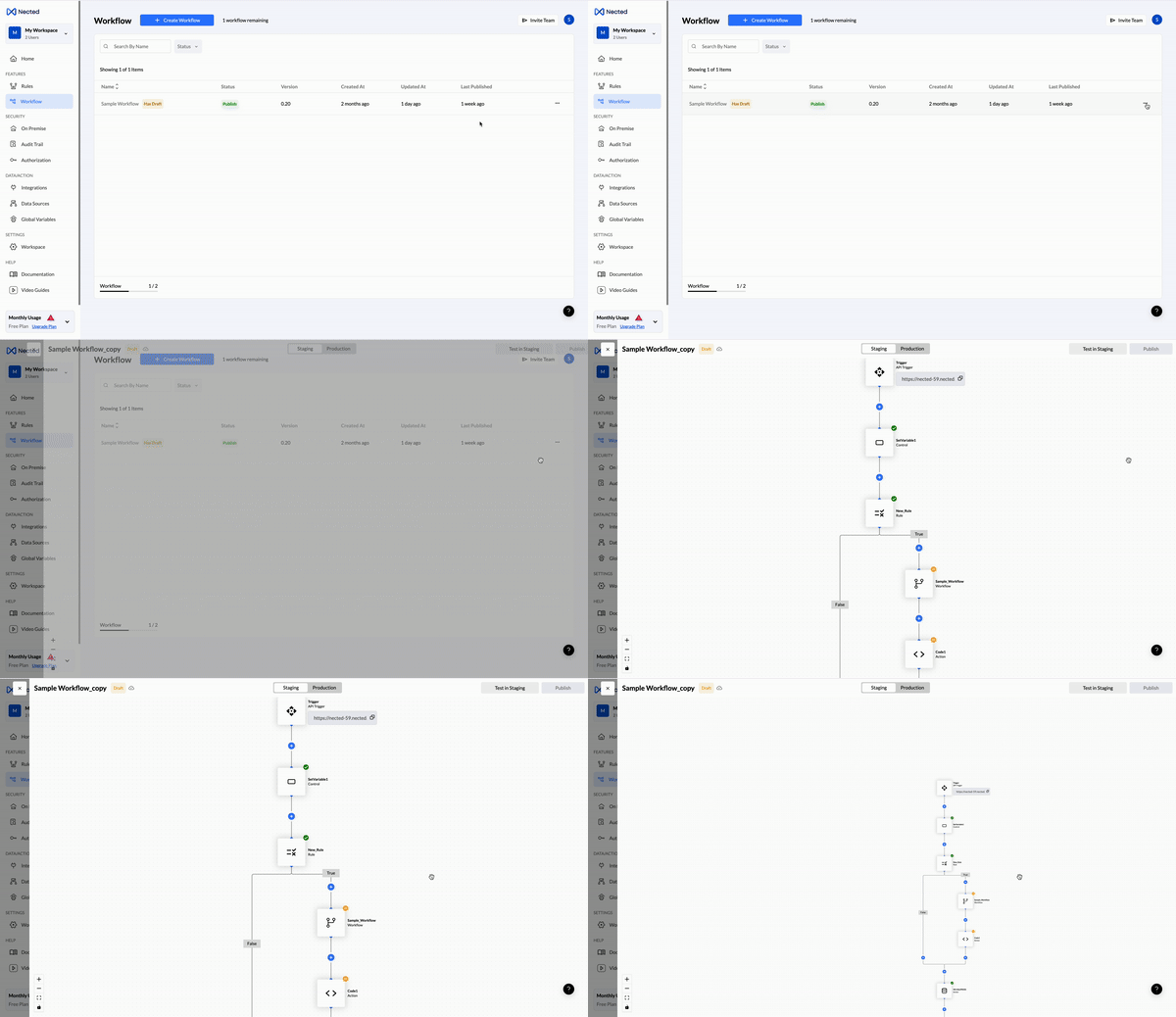
By following these detailed steps, you can implement a dynamic workflow engine that enhances your business processes, improves efficiency, and supports growth.
Dynamic Workflow Engine Comparison
What Are the Advantages of Dynamic Workflow Engines?
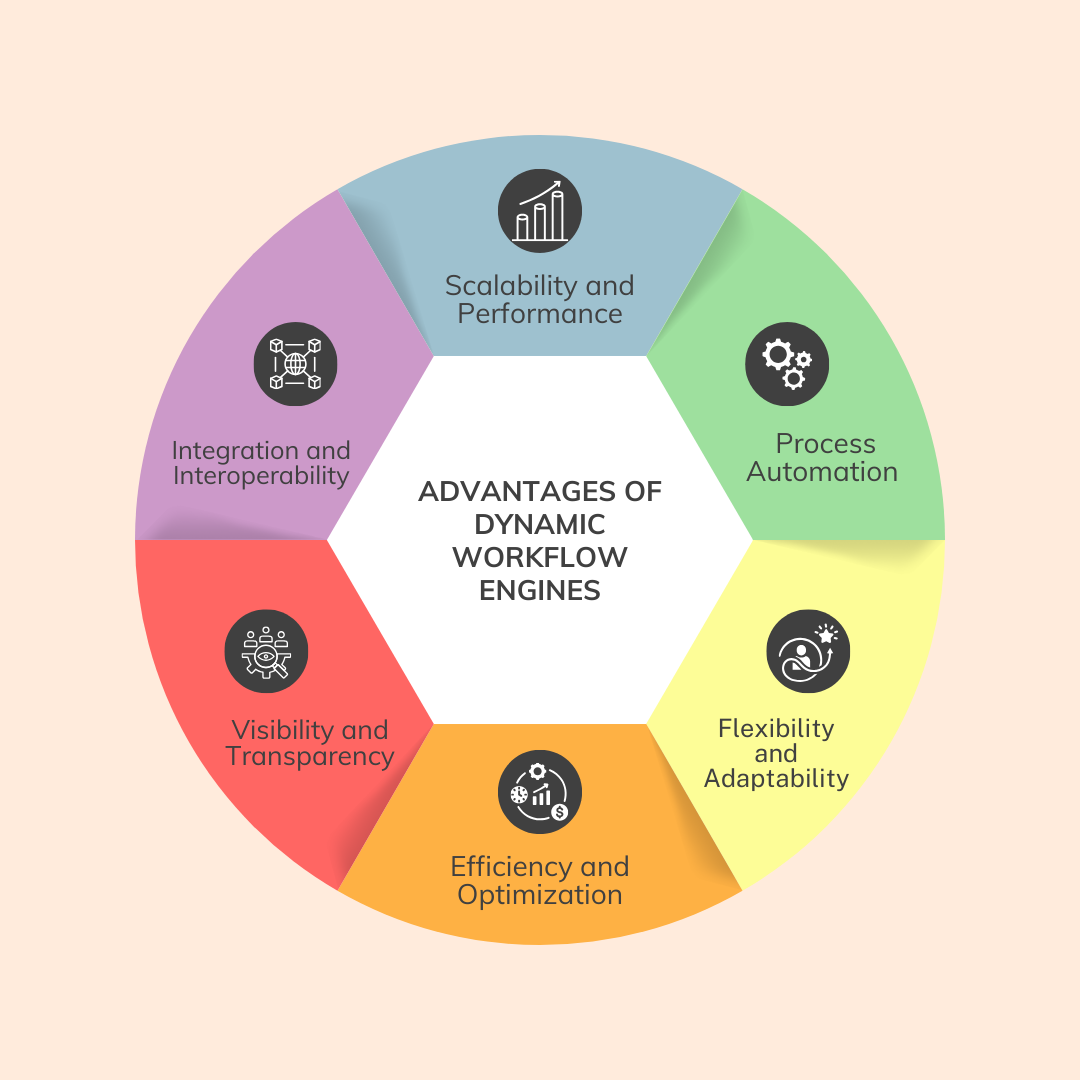
Dynamic workflow engines offer several advantages that contribute to enhancing organizational efficiency and agility:
- Process Automation: Automates repetitive tasks, reducing manual effort and minimizing errors in workflow execution.
- Flexibility and Adaptability: Allows workflows to be adjusted in real-time based on changing conditions or business rules, accommodating dynamic business environments.
- Efficiency and Optimization: Streamlines processes, reduces bottlenecks, and improves overall workflow efficiency through automated task allocation and prioritization.
- Visibility and Transparency: Provides real-time visibility into workflow status, progress, and performance metrics, enhancing accountability and decision-making.
- Integration and Interoperability: Integrates seamlessly with other systems and applications, facilitating data exchange and workflow continuity across the organization.
- Scalability and Performance: Scales to handle increasing workload volumes and adapts to organizational growth without compromising performance or efficiency.
Conclusion
Dynamic workflow engines represent a pivotal advancement in modern business operations, offering unparalleled flexibility, efficiency, and adaptability. By automating processes, optimizing workflows, and providing real-time insights, these engines empower organizations to streamline operations and enhance productivity.
Dynamic workflow engines, such as Nected, not only automate and optimize workflows but also provide the agility needed to respond to changing business requirements swiftly. With Nected, organizations can design and implement customized workflows that adapt in real-time, ensuring seamless operations and maximizing productivity.
Nected offers a robust platform for building dynamic workflow engine systems. With its intuitive interface, comprehensive integration capabilities, and scalable architecture, Nected empowers organizations to create agile workflows tailored to their specific needs.
From process automation to advanced analytics, Nected enables businesses to achieve operational excellence and drive innovation. Take the next step towards optimizing your organization's workflows.
By choosing Nected, you're not just adopting a workflow solution – you're embracing a tool that will propel your organization forward in today's competitive landscape. Build a dynamic workflow engine with Nected and unlock new possibilities for growth and success.
Choose Nected to create dynamic workflow engines and transform your business operations.
FAQs
How does a dynamic workflow engine improve efficiency?
It streamlines processes, reduces manual tasks, and ensures consistency by automating routine tasks and providing a clear structure for workflow execution.
Can a dynamic workflow engine integrate with other systems?
Yes, most dynamic workflow engines can integrate with a variety of systems such as databases, CRMs, ERPs, and other third-party applications to ensure seamless data flow and process automation.
How does a dynamic workflow engine handle exceptions or errors?
It provides mechanisms for error handling and exception management, including notifications, alerts, and the ability to design alternative workflows for error resolution.
Is it possible to customize workflows according to specific business needs?
Yes, dynamic workflow engines are highly customizable, allowing users to tailor workflows to meet specific business processes, rules, and objectives.
What types of tasks can be automated using a dynamic workflow engine?
Tasks that can be automated include data entry, approvals, notifications, data integration, document generation, and any other repetitive or rule-based activities.
Which is the best dynamic workflow engine for microservices?
The best dynamic workflow engine for microservices will depend on your requirements. A dynamic workflow engine like Temporal is built to be used for distributed workflow orchestration, whereas the other dynamic workflow engines like Nected are used by companies to automate business workflows, approvals, and decision-making processes without any significant coding involved.
How does a dynamic workflow engine handle parallel workflows?
The dynamic workflow engines can handle parallel workflows. They allow simultaneous execution of different workflow branches, which in turn help in running independent tasks, approval processes, and even independent service calls.
What is the difference between a workflow engine and an orchestration engine?
Workflow engine deals with the execution of business processes, business tasks, and approvals through the use of workflows. Orchestration engine, on the other hand, takes care of coordination between multiple services, applications, and systems to make sure that the end-to-end business process gets executed successfully.
What is an event-driven workflow engine?
Event-driven workflow engine triggers the process of workflow execution due to business events such as API call, database update, user action, webhook, etc.
Can there be integration of a dynamic workflow engine with other applications?
Yes, there are workflow automation engines that have integration capabilities with CRM applications, ERP solutions, databases, APIs, communication services, cloud services, and third-party applications. It allows creating automated workflows using several applications.
How does the dynamic workflow engine handle workflow state?
It is possible due to workflow engines storing state information of all instances of workflow, including information about completed tasks, pending operations, decisions made, and execution state of the workflow.
What are the main components of a dynamic workflow engine?
Main components may include trigger engine, workflow orchestration, decision and rule engine, task execution engine, state management, monitoring, and integration layers.
Is it possible to use dynamic workflow engines for enterprise applications?
Yes, enterprise applications make use of dynamic workflow engines for creating automated workflows for such processes as approvals, compliance, onboarding processes, claims handling, business processes, and so forth.



.svg.webp)


.webp)
.webp)




.webp)