Nected vs Pega

Pega’s complexity slows innovation.
Nected delivers results in minutes

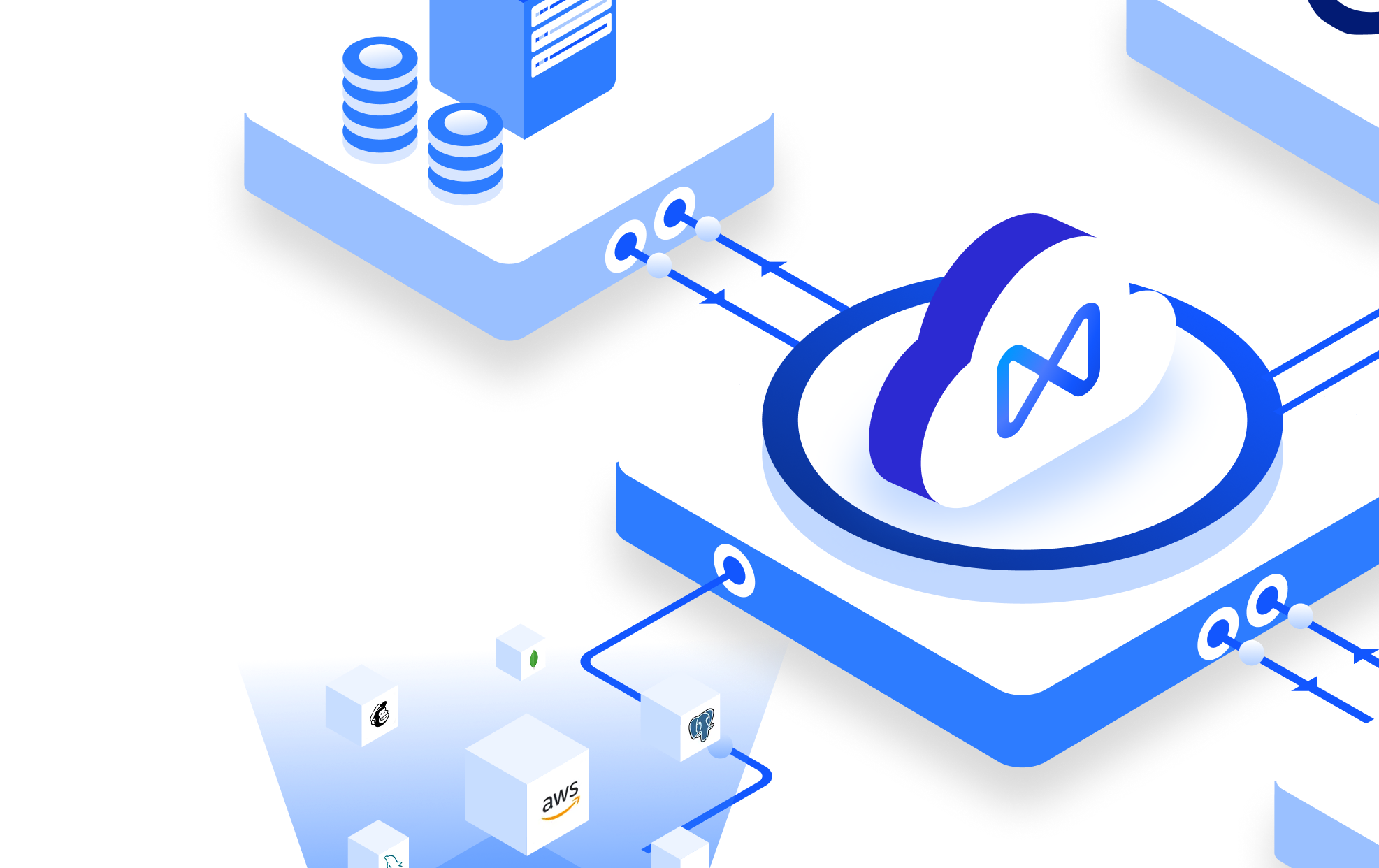
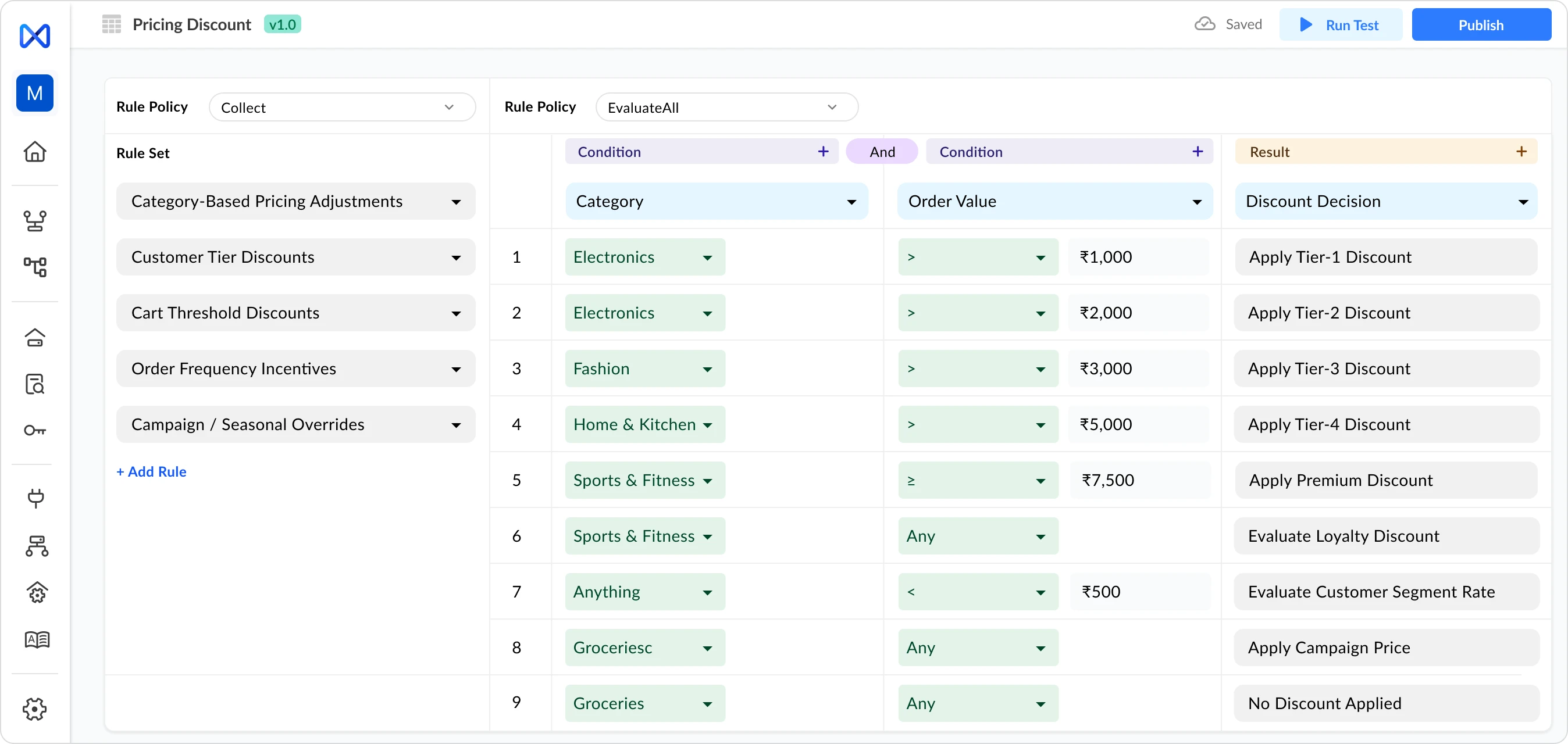
Nected takes the opposite path: a lightweight, visual, low-code decisioning engine that teams deploy in minutes—not months. Real-time APIs, plug-and-play connectors, workflow automation, governance, and version control come built-in, so you can iterate without bureaucracy.

  • Real-Time Assessment using API Connector
  • Customize Scoring Rules in No-code/low-code
  • Automated Decision-making via CRON
  • Built Complex Scoring Models in Minutes
  • Integration with Third Party Systems
  • Iterate Conditions Instantly
Used by teams across 500+ companies globally

Pega Promises Flexibility—Until Customization Slows You Down

Pega’s platform is extremely capable, but “capable” becomes “complex” as soon as your use case grows. Implementations balloon, maintenance becomes a dependency, and custom logic starts to require deep Pega expertise.

Heavy Governance, Slow Change Cycles
Pega’s rule changes often require check-ins, approvals, deployments, and DevOps pipelines. Even simple updates can take days or weeks, slowing product teams who need rapid iteration.
Complex Learning Curve
Pega’s proprietary rule types, case structures, and flow models demand specialized training and certifications. Non-technical teams struggle to adopt or maintain processes without engineering support.
High Licensing & Infrastructure Burden
Pega’s licensing is costly, and deployments often require dedicated infrastructure, scaling nodes, and certified developers. Total ownership cost increases significantly over time.
Maintenance & Upgrades Complexity
Keeping Pega systems healthy requires dedicated teams to manage upgrades, integrations, SSO, nodes, and deployments — creating long-term operational overhead that slows agility.

That’s the point where teams realize they need a simpler, faster way to ship logic changes.

Schedule a Call for Your POC

Users Share Challenges with Pega and Look for Alternatives

Here’s the candid feedback teams often share when working with Pega’s enterprise stack:

Marcus D.

Enterprise Architect

★★★
“Heavy to Implement, Heavy to Maintain”
“Pega is powerful, but every rollout needs multiple roles—CSA, CSSA, DevOps, QA. Even minor rule changes pass through long SDLC gates.”
Lina S.

Business Analyst

★★
“Steep Learning Curve for Non-Technical Teams”
“The interface isn’t truly no-code. To edit case flows or decision logic confidently, we needed Pega-certified people—not ideal for daily ops.”
Arvind K.

CTO

★★★
“Slow Iteration Cycles”
“Updating rules means check-ins, approvals, deployments, and multiple environments. Nothing is instant—everything takes weeks.”
Emily R.

IT Operations Manager

★★
“High Ongoing Cost & Platform Overhead”
“Licensing is only the start. Infra, upgrades, performance tuning, and vendor support all add up. TCO grows every single year.”

*These quotes are illustrative reflections based on publicly documented challenges shared by Pega users and are not direct user testimonials.*

The Real Cost of Staying with Pega

Before committing to a multi-year Pega rollout, evaluate the full picture—implementation, DevOps, rule authoring, hosting, and certified expertise. Most teams underestimate long-term cost and complexity.

Year 1 Year 2 Year 3 Year 4 Year 5

ROI Comparison

Total Cost of Ownership

$99,000
cumulative
≈$99K/year (50 Enterprise users)
Open Source
(In-House)
$85,000
cumulative
$50K–$120K initial build
$27,975
cumulative
$4K–$9K (Startup)
Time to First Value 3–6 months 4–6 months <1 week
Developer Headcount 2–3 FTEs 1–2 FTEs 0–0.5 FTEs
AI Integration No (external AI services required) Custom build required In-built AI capabilities
Iteration Speed 2–4 weeks/change 1–2 weeks/change Live updates in minutes
Business User Access Partial (requires training) No (custom UI) Yes (visual)
Audit, Versioning, SLA Enterprise-grade governance Custom impl. Built-in controls
Total 5-Year Cost $500K–$650K+ $260K–$350K+ ~$100K–$150K

Teams Talk
Why We Switched from Pega to Nected

Candid notes from teams who migrated off Pega and now run on Nected:

Souradeep P.

Director of Product Management

★★★★★
“Best Business-friendly Decision Engine”
“Nected has completely transformed how we manage and iterate on our workflows and experiments. We reduced our development time by 50%, and the ease with which we can build country-wise payout systems for teachers, complete with incentives and penalties, was impressive.”
Verified User

Financial Services

★★★★
“Adaptable, Flexible & Faster for Lending Decisions”
“Previously, implementing such changes could take weeks of development and technical involvement, but now we can accomplish the same tasks in less than a day. By utilizing Nected’s Macro functions to handle complex JS conditions, we’ve offloaded what used to be tech-heavy tasks to our business teams.”
Verified User

Apparel & Fashion

★★★★★
“Rules Engine & Logic Module”
“Nected enables the transformation of complex, often undocumented workflows into a centralized, digital format, ensuring clarity, consistency, and accessibility for teams. By integrating seamlessly with external systems, Nected facilitates the exchange of accurate, real-time data, empowering users to make informed, standardized, and error-free decisions while reducing manual effort.”
Julian F.

Administrator

★★★★★
“It allows me to process my ideas better”
“Nected is a tool that has allowed me to delegate tasks in a simpler way and that everything remains in an equitable and well-structured job guaranteeing good results. With the integration of third-party tools I can carry out an entire task process on a single platform without having to switch between several applications that only make me confuse data.”

Built for Your Entire Team, Not Just Developers

Nected gives both developers and business users the tools to create, manage, and scale decision logic. Without writing full applications or relying on DevOps.

Full Control & Flexibility
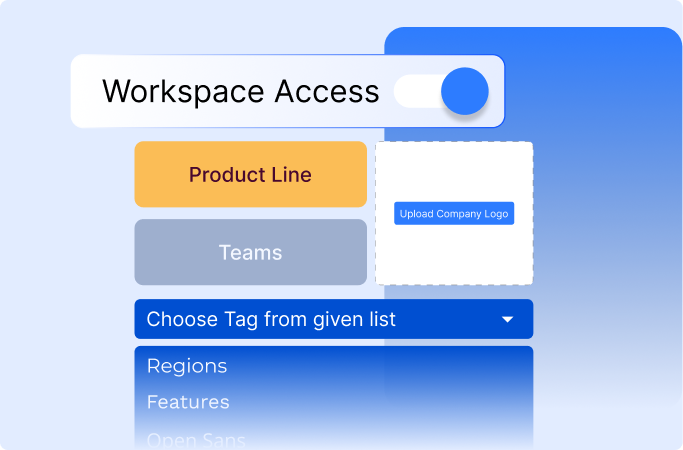
Nected provides developer-level control through a low-code/no-code interface—allowing both technical and non-technical teams to define and manage rules easily.
Cost Savings with Open-Source Tools
Open-source tools seem affordable but increase long-term maintenance effort. Nected delivers predictable pricing and reduced overhead.
Rapid Deployment
Pre-built integrations and a clean UI allow Nected to go live in days, not months—avoiding delays common with in-house builds.
Business-Friendly Interface
In-house UIs can slow down business teams. Nected’s intuitive, no-code dashboard puts rule control directly in their hands.
Built-In Experimentation & Testing
A/B testing in custom builds is difficult to implement. Nected has native experimentation tools—enabling logic testing without added effort.
Comprehensive Governance & Compliance
Audit trails, version control, rollback, and certifications are built in—ensuring governance and compliance from day one.

Setting Up Nected needs Just 15 Minutes

See how Nected’s platform brings agile change and robust compliance in a product walkthrough:

  • Visual, enterprise rule creation
  • Real-time governance controls
  • Secure system-of-record integration
  • Instant publishing/rollback

For: CIOs, enterprise architects, innovation and governance leads

Ready to Upgrade from Pega?
Switch Now

Check How Nected Performs compared to Others

Learn how TATA 1mg delivered 3 months of sprint in 3 weeks using Nected's Rule-Engine and Workflow.
Learn how Brightchamps reduced repetitive tech tasks by 80% with Nected.
Learn how Vidyakul optimized it's revenue and leads funnel in just 20 days with Nected.
Learn how Torch streamlined it's logistics and policies with Nected.
Learn how a global aviation giant supercharged their operations and marketing with Nected.
Learn how a client based B2B SaaS tool leveraged Nected to build seamless functions for many.
Learn how this Fintech company streamlined it's credit and lending policies with Nected.
Learn how Sidecar Health partnered with Nected to optimize health services, improve operational workflows, and deliver superior patient experiences through advanced automation.
No items found.

Q

Q: How hard is it to migrate from Pega to Nected?

Nected supports DMN/FEEL standards and API-driven rules, making it easy to extract Pega logic (Decision Tables, When rules, Data Transforms, Case Steps) and convert them into DMN tables and Nected Workflows.
Most migrations take 6–10 weeks, depending on how many Pega-specific rule types (When, Activities, Strategies, Flows) are being replaced.

Q: What tech stack does Nected use, and how is it better than Pega?

Pega relies on a large proprietary platform with its own rule types, case engine, and server runtime, which requires certified developers and specialized infrastructure.
Nected is cloud-native, API-first, DMN/FEEL compatible, and lightweight, which makes it easier to integrate, faster to iterate, and significantly more portable across modern ecosystems.

Q: How scalable is Nected compared to Pega?

Pega scales, but scaling requires planning nodes, configuring clusters, maintaining infra, and tuning performance — usually with vendor or certified support.
Nected auto-scales horizontally out of the box and serves millions of rule/flow evaluations per minute with sub-200ms latency, without any of the Ops overhead.

Q: What deployment options are available?

Pega Cloud and on-prem are both available, but on-prem requires full infrastructure ownership and cloud still comes with high license and utilization-based costs.
Nected offers SaaS, Private Cloud, and On-Prem, with no proprietary stack, no license server, and no VM tuning requirements.

Q: How customizable is Nected vs Pega?

Pega customizations often require Activities, Data Pages, Flows, or Strategies, which need trained Pega developers and follow long SDLC processes.
Nected allows both no-code rule editing for business teams and developer extensions (custom scripts, APIs, connectors) for advanced logic, making iteration far quicker.

Q: Is Nected enterprise-ready and secure?

Yes. Nected includes RBAC, SSO, encryption, audit trails, versioning, rollback, API governance, and compliance controls (SOC 2, ISO, GDPR) out of the box.
Pega supports strong enterprise security as well, but many governance layers require configuration, infrastructure changes, or vendor-managed environments.

Users Share Issues with Camunda and
Look for Alternatives

Adam J.

Project Manager

★★★★
“Limited Collaboration for Non-Technical Teams”
“Camunda’s complexity makes it difficult for non-technical team members to participate in rule management, limiting overall project efficiency.”
Leo M.

Business Analyst

★★★★
“Slow Iterations”
“Adapting to rapidly changing business requirements is challenging with Camunda. The need for technical intervention at every step slows down the process."
William R.

IT Consultant

★★★★
Scalability Issues”
“As our project scaled, we faced significant performance issues with Camunda. Optimizing for scalability required considerable effort and resources.”
Lucy C.

Investment Banker

★★★★
“Learning Curve”
“It requires a lot of effort to learn how to use it. I don't see good integration with cloud solution. It looks not enough resource/doc on how to run on distributed systems”
Adam J.

Project Manager

★★★★
“Limited Collaboration for Non-Technical Teams”
“Camunda’s complexity makes it difficult for non-technical team members to participate in rule management, limiting overall project efficiency.”
Leo M.

Business Analyst

★★★★
“Slow Iterations”
“Adapting to rapidly changing business requirements is challenging with Camunda. The need for technical intervention at every step slows down the process."
William R.

IT Consultant

★★★★
“Scalability Issues”
“As our project scaled, we faced significant performance issues with Camunda. Optimizing for scalability required considerable effort and resources.”
Lucy C.

Investment Banker

★★★★
“Learning Curve”
“It requires a lot of effort to learn how to use it. I don't see good integration with cloud solution. It looks not enough resource/doc on how to run on distributed systems”