Loan underwriting is the risk check a lender runs before handing out money: it's how they decide whether an applicant is creditworthy enough to approve, and on what terms. In practice, that means pulling credit history, verifying income, calculating debt load, and — for secured loans — checking that the collateral is actually worth what it's supposed to be worth. If you've ever wondered what does underwriting a loan mean in plain terms, that's it: a structured evaluation of whether you can and will repay, done before the lender commits any capital.
The mechanics shift depending on the loan type, but the underlying question never does. A mortgage underwriter is asking it about a house. An auto lender is asking it about a car loan. A personal loan underwriter is asking it with no collateral at all, which is exactly why personal loan underwriting leans harder on credit score and income verification than any other loan category.
How the Loan Underwriting Process Actually Works
Strip away the paperwork and underwriting comes down to five checks, run in roughly this order:
- Credit and history review. The lender pulls a credit report and score, then looks for a pattern — not just the number, but whether recent inquiries, delinquencies, or a past bankruptcy tell a different story than the score alone does.
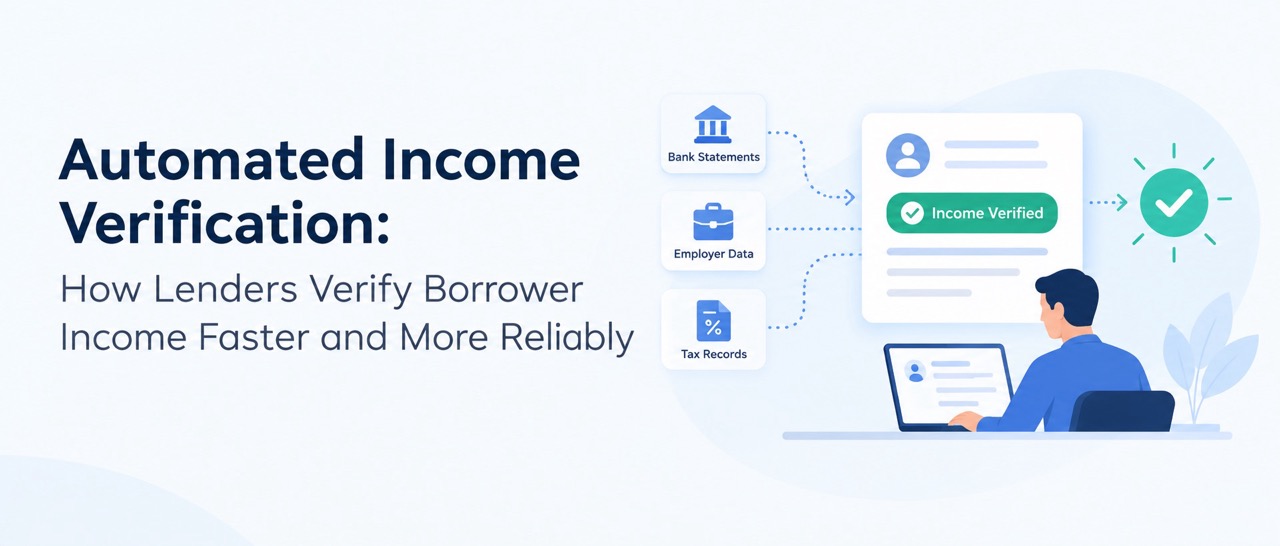
- Income and employment verification. Pay stubs, W-2s, tax returns, or bank statements have to match what the applicant declared. Self-employed applicants usually need more documentation here — profit-and-loss statements or tax transcripts — because there's no employer to call and confirm.
- Debt-to-income (DTI) calculation. Total monthly debt payments divided by gross monthly income. Most conventional mortgage programs look for DTI in the mid-to-high 30s or lower; go meaningfully above that and the loan either gets restructured (smaller amount, bigger down payment) or declined.
- Collateral appraisal, if the loan is secured. A mortgage gets a property appraisal; an auto loan gets a vehicle valuation. This is what produces the loan-to-value (LTV) ratio, and a higher LTV generally means a harder sell to the underwriter.
- Decisioning. Everything above gets compared against the lender's credit policy. The outcome is rarely a flat yes or no — "approved with conditions" (pending a corrected document or a clarified deposit) is the most common result in practice, with outright denial reserved for applications that don't clear the baseline criteria at all.
Loan Underwriting by Type
The five checks above show up everywhere, but which one carries the most weight changes by loan type.
Mortgages. Credit score, income stability, and the appraisal all matter, but the appraisal is doing more work here than in any other loan type — the home is the collateral, so the underwriter needs the valuation to hold up independently of what the buyer and seller agreed to pay.
Auto loans. Highly automated for a reason: the loan amounts are smaller and more standardized than a mortgage, so a credit score plus a vehicle valuation usually clears the bar without much manual judgment. Underwriters still verify income, but the review is lighter than mortgage underwriting by default.
Personal loans. This is where the personal loan underwriting process looks different from the rest. With no collateral backing the loan, the lender has nothing to repossess if the borrower stops paying — so credit score and income verification have to carry the entire risk assessment. That's why personal loan underwriting criteria tend to be stricter on paper (higher score thresholds, lower acceptable DTI) even though the loan amounts are usually smaller than a mortgage.
Business loans. Underwriting shifts from an individual's finances to a company's: balance sheets, cash flow, and sometimes the owner's personal credit as a backstop. SBA-backed and commercial real estate loans add their own layer — the underwriter is now also evaluating whether the property or the business itself can generate enough income to service the debt.
Where Compliance Fits Into Underwriting
Underwriting isn't just a risk calculation — it's a legally constrained one. The Equal Credit Opportunity Act (ECOA) and Fair Housing Act prohibit decisions based on race, gender, marital status, or other protected characteristics, and that applies whether a human underwriter is making the call or a model is. If a lender uses an automated scoring system, regulators still expect it to produce explainable decisions and to be checked for disparate impact — "the algorithm decided" isn't an answer that holds up to a fair-lending review. On top of that, Truth-in-Lending and RESPA disclosures have to match what actually gets approved, and every decision needs a documented reason an auditor can trace later. This is one of the reasons automated underwriting platforms log a decision trail by design — it's not just an efficiency feature, it's the paper trail compliance teams end up relying on.
Manual vs. Automated Underwriting
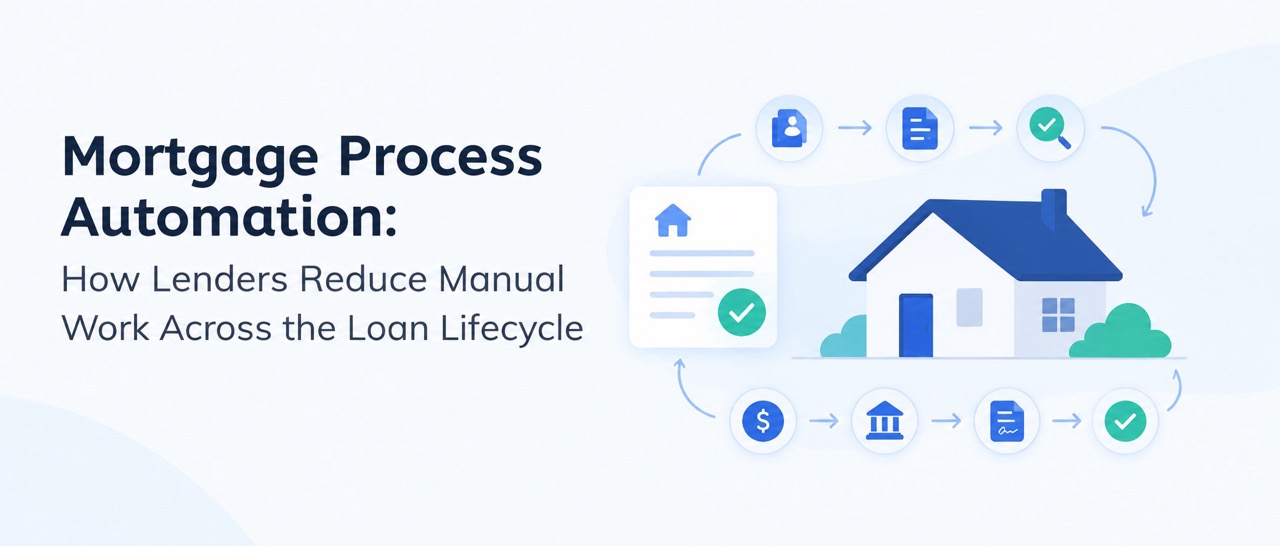
Most lenders today run a hybrid: automation clears the straightforward files and flags anything with inconsistent documentation, an unusual deposit, or a borderline DTI for a human to actually look at. That split matters more than which approach is "better" in the abstract — automation is good at applying the same rule the same way a thousand times in a row; it's not good at the judgment call a seasoned underwriter makes on a genuinely unusual file.
For a developer building this, the underwriting logic itself usually ends up looking less like a monolithic scoring function and more like a set of independently testable conditions — something like this, expressed as a rule a platform like Nected would evaluate against an application:
IF applicant.creditScore < 620
AND loan.type == "personal"
AND loan.collateral == null
THEN decision = "manual_review"
REASON = "Below threshold with no collateral backing"
IF applicant.dti > 0.43
THEN decision = "decline"
REASON = "DTI exceeds policy maximum"
The point of structuring it this way isn't the specific thresholds — those are policy decisions a lender's risk team sets, not something a rules engine invents. It's that each condition is independently testable and auditable, which is what lets a compliance reviewer trace exactly why an application landed where it did, instead of trying to reverse-engineer a black-box score.
How Long Does Underwriting Actually Take?
For a mortgage, underwriting commonly adds one to a few weeks to the overall timeline, on top of document collection and appraisal scheduling — it varies by lender workload and how clean the file is going in. Auto and personal loans move faster because more of the review is automated and the documentation requirements are lighter; it's common for those to clear in days rather than weeks. The single biggest thing that stretches any underwriting timeline, regardless of loan type, is a borrower who's slow to respond to a document request — most delays trace back to that, not to the underwriter's workload.
Common Red Flags Underwriters Watch For
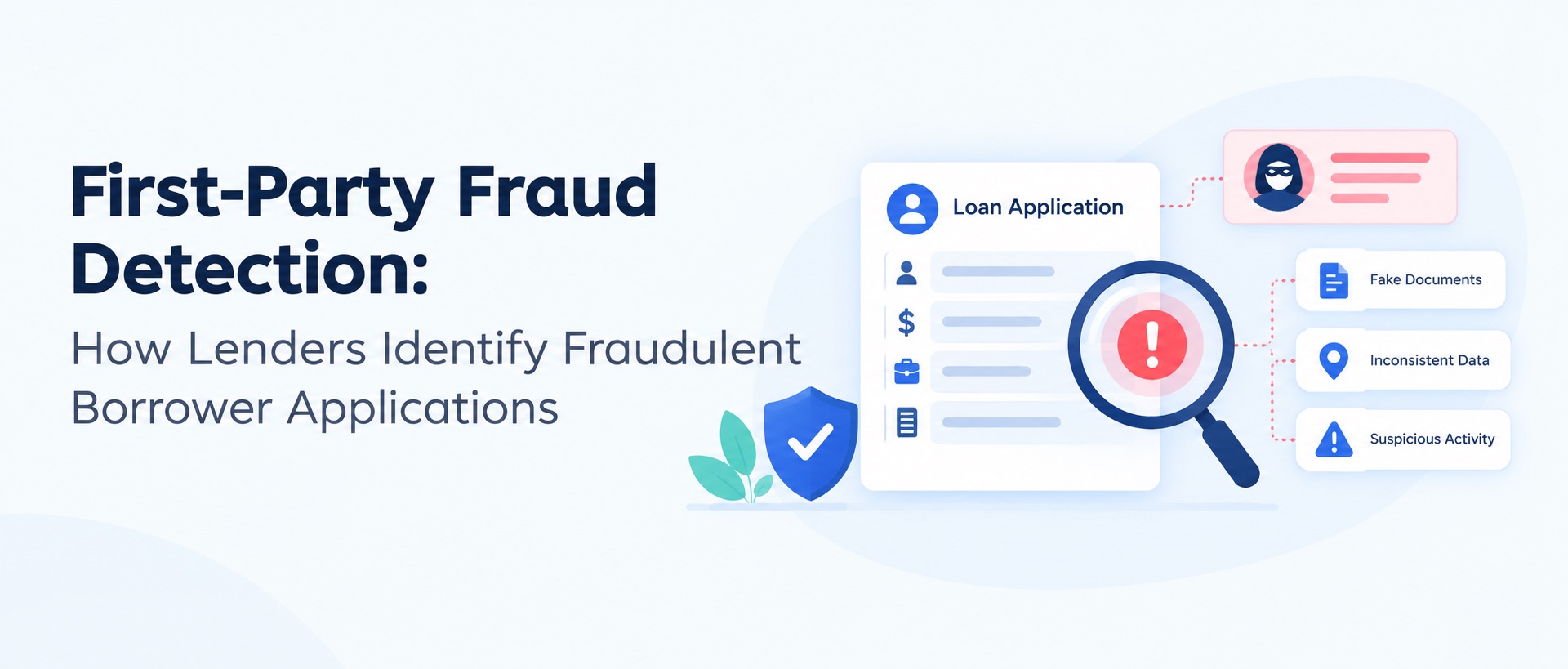
- Data that doesn't match across documents. If the income or address on the application differs from what's on the tax return or credit report, the underwriter has to resolve the discrepancy before moving forward — it doesn't matter whether the mismatch is an honest mistake.
- Unexplained deposits. A large, unexplained bank deposit close to the application date gets flagged almost automatically. If it's a gift from a relative, it needs a gift letter; if it's a loan, it needs its own paper trail.
- Recent credit events. A late payment, collection, or a bankruptcy inside the program's "seasoning" window (often a year or more, depending on the loan type) will usually stall or sink an approval outright.
- Employment instability. Frequent job changes, a recent switch from salaried to self-employed, or a employment gap all trigger closer scrutiny, because none of them are directly verifiable the way a two-year W-2 history is.
- Signs of document tampering. Automated fraud checks increasingly look for the technical fingerprints of an altered PDF — inconsistent fonts, mismatched metadata, layered text — rather than relying on a human catching it by eye.
Bottom Line
Loan underwriting is the same risk question asked five different ways — credit, income, debt, collateral, and compliance — applied differently depending on whether the loan is a mortgage, an auto loan, a personal loan, or a business loan. What's changed in the last several years isn't the question; it's who's answering it. More of the straightforward cases now get decided by a rules engine instead of a person, with the harder files still routed to a human. For teams building or operating that logic, the real advantage of moving it into a platform like Nected isn't just speed — it's that every rule becomes something you can test, version, and explain after the fact, instead of a decision buried in someone's head or a spreadsheet.
If you're evaluating platforms to build this kind of decisioning logic, see how a rules engine like Nected compares to building the rules yourself in code.
FAQs
What is loan underwriting?
It's the lender's process for deciding whether an applicant qualifies for a loan, based on a review of their credit history, income, debt, and — for secured loans — collateral value.
What does underwriting a loan mean, in simple terms?
It means the lender is checking whether you can realistically repay what you're asking to borrow, using your credit report, income documents, and existing debts as evidence.
What's the loan underwriting meaning for a personal loan specifically?
Since personal loans are usually unsecured, personal loan underwriting relies almost entirely on credit score, income verification, and existing debt load — there's no collateral to fall back on if the review comes up short.
What's the typical personal loan underwriting process?
Credit pull, income/employment verification, and a DTI calculation, usually completed faster than mortgage underwriting because the file is smaller and more standardized. Larger amounts or thin credit files are more likely to get pulled into manual review.
How long does loan underwriting take?
Mortgages commonly take one to a few weeks; auto and personal loans often clear in days because more of the process is automated.
Why do some applications get approved "with conditions" instead of a flat approval?
Because the underwriter is satisfied with the overall picture but still needs one specific thing resolved — a corrected document, a clarified deposit — before issuing a final approval.
Does automation replace human underwriters?
Not entirely. It clears the standardized cases and routes anything inconsistent, unusual, or borderline to a person — which is also where most lenders choose to keep their judgment calls.