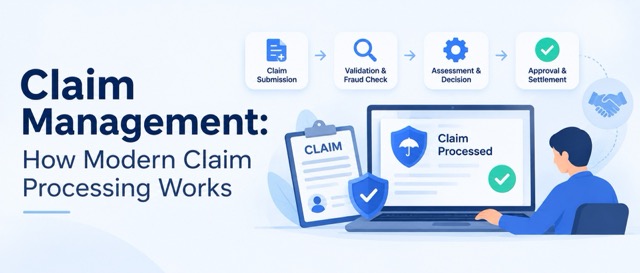


Claim management is the end-to-end administration of a claim, from intake and validation through adjudication, payment, and closure. Claim processing is the execution of the individual validation, decisioning, and transaction steps inside that broader management lifecycle.
In the U.S., claim management spans multiple domains, including property and casualty insurance, health insurance, workers' compensation, and employer-sponsored plans, with each domain using different data models, workflows, regulatory requirements, and transaction standards. A claim management system coordinates those processes across applications, data sources, rules, workflows, and human users rather than leaving claim information distributed across spreadsheets, email threads, and shared inboxes.
What Is Claim Management and Claim Processing?
Claim management is the end-to-end process of managing a claim from intake and validation through processing, payment or settlement, and closure. It covers the claim record, its status, related policy or member information, workflow, decisions, and financial activity.
Claim processing is a subset of claim management. It refers to the operational steps used to evaluate and resolve a claim, such as validating claim data, checking coverage or eligibility, applying business rules, adjudicating the claim, and calculating the payment or settlement.
The distinction is mainly in scope: claim processing handles the evaluation and resolution of the claim, while claim management coordinates the broader lifecycle around it. This includes assignments, workflow, documentation, escalations, communications, and audit history.
In healthcare, claim processing also relies on standardized transactions, including 837 for claim submission, 270/271 for eligibility and benefits, 276/277 for claim status, and 835 for payment and remittance.
The Claim Management Process, Step by Step
The claim management process moves a claim from intake through validation, investigation, adjudication, and final settlement. In production systems, these stages are coordinated through persisted claim states, APIs, queues, workflow services, and human review rather than a single synchronous transaction.
The process typically moves through the following stages:
- Claim Submission: The claimant, provider, agent, or other authorized party submits the claim with the required information and supporting documents.
- Claim Validation: The system checks the claim for required fields, valid data, duplicate submissions, and other basic errors before processing continues.
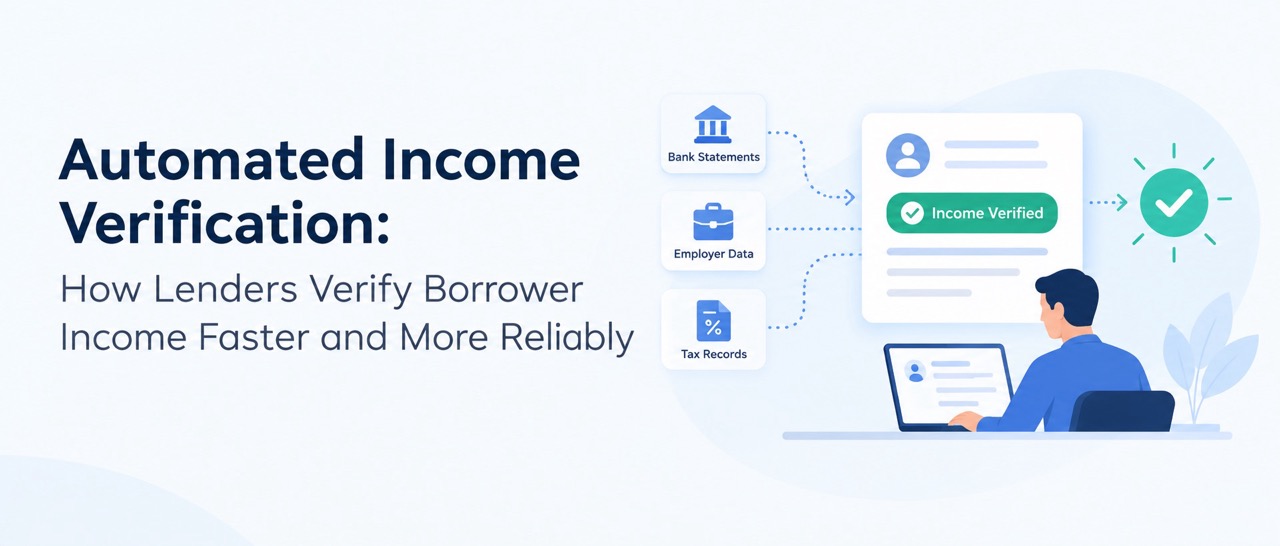
- Coverage Verification: The system verifies the applicable policy or member eligibility, coverage dates, benefits, and relevant terms.
- Claim Assessment: The claim is evaluated using the available information, including loss details, documents, services, codes, amounts, and applicable business rules.
- Fraud and Risk Checks: The claim is screened for potential fraud, unusual patterns, risk indicators, or conditions that require additional review.
- Decision: Based on the assessment and applicable rules, the claim is approved, denied, partially approved, or routed for further review.
- Payment Calculation: The system calculates the payable amount based on coverage, deductibles, limits, benefits, adjustments, member responsibility, or other applicable financial rules.
- Settlement and Communication: The approved amount is settled through the appropriate payment process, and the outcome is communicated to the claimant, provider, or other relevant parties. The claim is then closed once the required activities are complete.
Claim Management in Insurance
Insurance claim management covers the process from First Notice of Loss (FNOL) through validation, assessment, decisioning, settlement, and closure. The claims management system typically acts as the system of record while connecting with policy administration, customer data, document processing, decisioning, fraud detection, workflow, and payment systems.
The core flow is:
Customer / Agent / Partner → FNOL → Claims Management System → Validation → Coverage Check → Assessment & Decisioning → Investigation → Settlement → Payment → Claim Closure
Who handles the claim depends on the insurance and funding model. In a fully insured arrangement, the insurer generally administers the claim and assumes the financial risk. In a self-funded employer plan, the employer retains the financial risk, while a third-party administrator (TPA) may handle claims administration, eligibility, adjudication, and payment operations.
The claims platform coordinates these activities while maintaining the authoritative claim state. External systems can provide policy or eligibility data, document processing, fraud checks, decisioning, or payment services.
Claim Management in Healthcare
Healthcare claim management is the process of receiving, validating, adjudicating, tracking, and settling claims between providers, payers, and patients. Unlike a simple payment workflow, it has to coordinate structured healthcare data, eligibility and benefit information, provider and member records, coding validation, payer rules, claim status, and remittance.
In a typical U.S. healthcare environment, the claim moves through an integration layer before reaching the payer's internal claims platform. The system validates the incoming transaction, maps it into an internal claim model, evaluates eligibility and benefits, applies adjudication rules, and determines payer and patient responsibility.
The core processing flow typically looks like this:
Provider / Clearinghouse → 837 Claim → EDI Validation → Claim Management System → Eligibility & Benefits → Coding / Contract Rules → Adjudication → Payment / Remittance → Claim Status & Closure
What Is an 837 Claim? The EDI Standard Behind Healthcare Claim Processing
An 837 claim is the ASC X12 electronic transaction used by healthcare providers and organizations to submit claim or encounter information to a payer. In the U.S., HIPAA-adopted X12N 837 transactions are used for institutional, professional, and dental claims.
The 837 is an external EDI format, not the internal data model of a claims application. A payer or clearinghouse first validates the incoming transaction against the applicable X12 implementation requirements, parses the EDI segments, and transforms the data into a normalized internal representation. The claims platform can then apply business and adjudication logic without having every downstream service understand raw EDI syntax.
Technically, an 837 transaction contains hierarchical structures representing the submitter, receiver, billing provider, subscriber or patient, claim information, and service lines. Service-level data can include procedure codes, diagnosis references, units, charges, and other information required for processing.
This separation between EDI ingestion and internal claim processing is important. It allows the integration layer to handle transaction-specific concerns while the claims engine focuses on eligibility, benefits, coding, contractual rules, adjudication, payment responsibility, and workflow.
The 837 also operates as part of a larger healthcare transaction ecosystem. Eligibility can be verified through 270/271, claim status can be exchanged through 276/277, and payment and remittance information can be communicated through 835 transactions. This means healthcare claim management is not a single API call; it is a sequence of interconnected transactions that must be validated, correlated, reconciled, and persisted across the claim lifecycle.
Types of Claim Management Systems
Claim management systems differ primarily in which claim lifecycle they manage, where they sit in the processing architecture, and how they integrate with surrounding systems. In U.S. insurance and healthcare environments, the main categories are differentiated by their data model, workflow capabilities, integration layer, and decisioning requirements.
Here are the main types of claim management systems:
- Property & Casualty (P&C) Claim Management Systems: Manage claims for property and casualty insurance, including auto, home, and commercial property. They typically support FNOL, coverage verification, investigation, reserves, payments, and settlement.
- Health Insurance Claim Management Systems: Manage healthcare claims submitted by providers and processed by insurers or administrators. They support eligibility checks, coding and benefit validation, adjudication, payment calculation, and remittance.
- Life Insurance Claim Management Systems: Manage claims related to life insurance policies, including claim submission, policy verification, beneficiary validation, document collection, assessment, approval, and benefit payment.
- Workers' Compensation Claim Management Systems: Manage workplace injury and illness claims, including incident reporting, medical documentation, eligibility, benefit calculation, case management, and settlement.
- Commercial Claim Management Systems: Handle claims for commercial insurance policies covering businesses, such as commercial property, liability, and other business risks. They support complex policies, multiple exposures, investigation, assessment, and settlement.
- Enterprise / Multi-Line Claim Management Systems: Support multiple lines of insurance within a single platform, allowing insurers to manage different claim types while sharing common capabilities such as workflow, document management, decisioning, payments, reporting, and integrations.
Common Claim Management Challenges
Modern claim systems have to process high-volume transactions while maintaining consistent decisions, traceability, and synchronization across multiple systems. The most common technical challenges are:
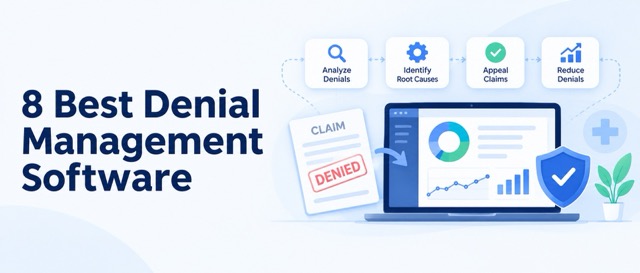
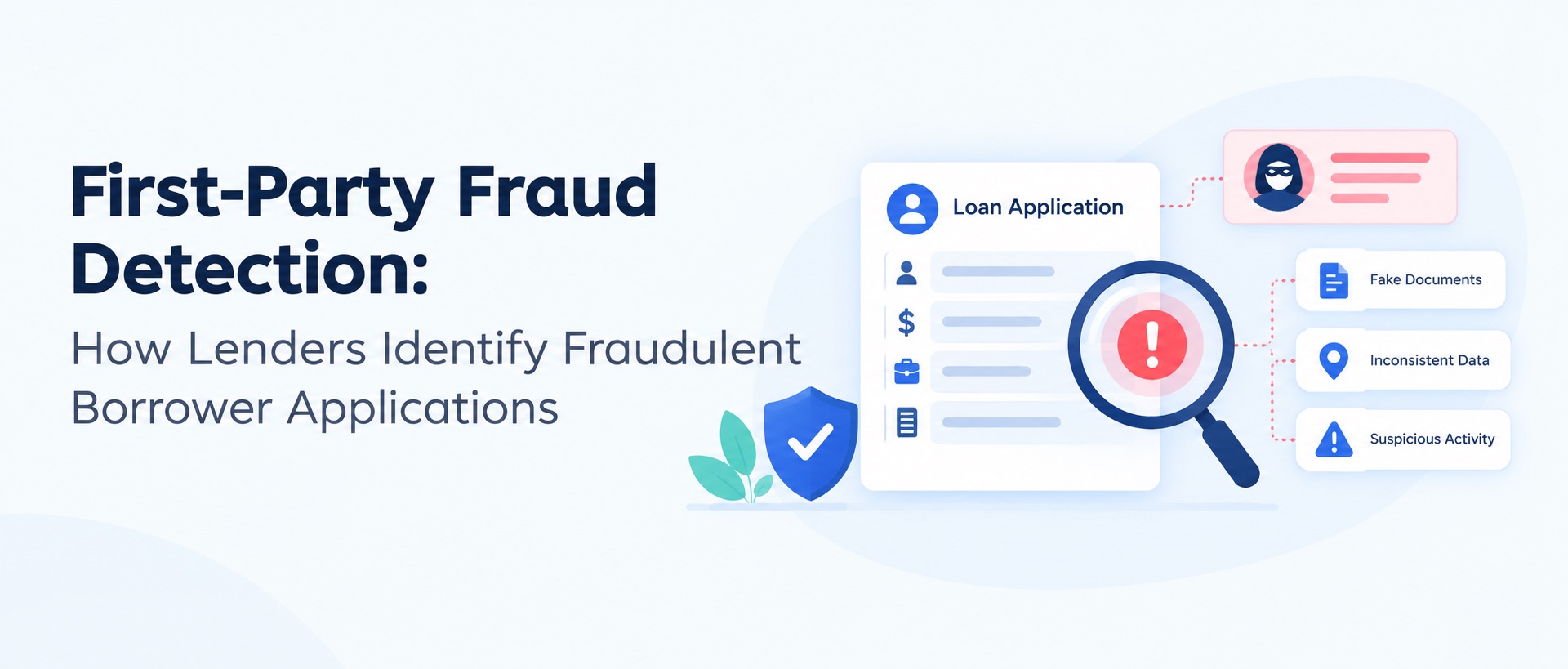
- Fraudulent Claims: False claims, manipulated documents, duplicate submissions, and suspicious claim patterns can increase losses and processing costs. Systems need fraud detection and risk checks to identify claims that require further investigation.
- Fragmented Claim Data: Claim information may be spread across policy, customer, billing, document, payment, and other systems. Keeping this information synchronized makes it difficult to maintain a consistent view of the claim.
- Complex and Changing Business Rules: Coverage, eligibility, deductibles, approval limits, benefits, and routing rules can vary by policy and change over time. Managing these rules directly in application code can make updates slower and harder to audit.
- Legacy Technology and Integration: Many claims organizations still rely on legacy applications and systems that were not designed for modern APIs, real-time processing, or cloud-based services. Connecting these systems with newer platforms can create integration and maintenance challenges.
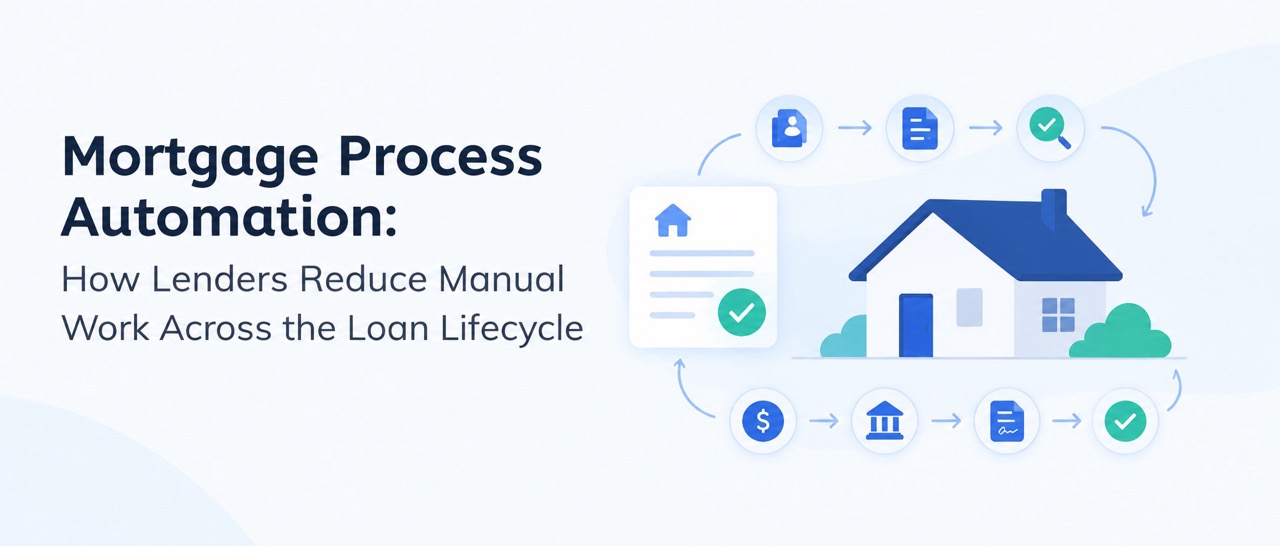
- Manual Processes and Poor Customer Experience: Manual data entry, document handling, status updates, and claim reviews can slow processing and increase errors. Limited visibility into claim status can also create a poor experience for claimants, providers, agents, and adjusters.
- Complex Healthcare EDI Processing: Healthcare claims require standardized transactions such as 837, 270/271, 276/277, and 835. Systems must validate, transform, correlate, and reconcile these transactions with internal claim records.
- Decision and Audit Traceability: Automated claim decisions need to be explainable and reproducible. Systems should retain relevant inputs, decision outcomes, rule versions, and timestamps so teams can understand how and why a claim reached a particular outcome.
- Payment and Data Reconciliation: Claim decisions and financial transactions may be handled by different systems. Payment status, adjustments, reserves, remittances, and recoveries must be reconciled with the claim record to prevent discrepancies.
Best Claim Management Systems to Consider
The right claim management system depends on the type of claims you handle, the size of your organization, and whether you need a core claims platform or a specialized decisioning layer. The following options serve different use cases:
- Guidewire ClaimCenter: Guidewire ClaimCenter is a core P&C claims management platform covering the claims lifecycle from intake through closure. It is particularly suited to large and mid-sized P&C insurers looking for a comprehensive platform for claims administration, workflow, automation, and integrations.
- Duck Creek Claims: Duck Creek Claims is designed for P&C insurers that need configurable claims workflows, assignment, investigation, coverage verification, reserves, payments, and recovery. It is suited to insurers looking for configurable claims operations that can adapt to changing business processes.
- OneShield Claims: OneShield Claims provides claims administration capabilities including FNOL, assignment, investigation, rules-based assessment, reserves, and resolution. It can suit insurers looking for a configurable claims platform across different P&C lines.
- Waystar: Waystar provides healthcare payment and revenue-cycle technology supporting workflows between healthcare providers and payers. It is relevant for healthcare organizations looking to manage claims and reimbursement processes alongside broader revenue-cycle operations.
- Nected: Nected is a decisioning and automation platform rather than a core claims system. It is suited to insurers and claims teams that already have a claims application but need to externalize business rules, decision tables, and workflow logic through APIs.
For a broader comparison of claim management software, see Claims Management System Software.
FAQs
What is claim management?
Claim management is the end-to-end administration of a claim, including intake, validation, coverage or eligibility evaluation, investigation, adjudication, payment or settlement, workflow, and closure.
What is the difference between claim management and claim processing?
Claim processing refers to the individual operations used to evaluate and resolve a claim. Claim management is broader and includes claim state, workflow, assignment, documentation, communications, decisioning, financials, and operational oversight.
What is claim management in insurance?
Insurance claim management is the process of administering insurance claims from first notification or intake through investigation, adjudication, settlement, and closure. In P&C insurance, this commonly includes incidents, exposures, adjuster activities, reserves, payments, and recovery.
What is claim processing in healthcare?
Healthcare claim processing is the technical and business evaluation of a healthcare claim to determine whether it is valid, covered, payable, and how much should be paid. It commonly involves EDI, eligibility, coding, benefit rules, provider contracts, adjudication, and payment transactions.
What is an 837 claim?
An 837 is the HIPAA-standard electronic healthcare claim or equivalent encounter transaction. The major implementation types include 837P for professional claims, 837I for institutional claims, and 837D for dental claims.
What is the difference between 837 and 835?
The 837 is used to submit a healthcare claim or equivalent encounter information. The 835 is used for healthcare claim payment and remittance advice.
What is an online claim management system?
An online claim management system provides digital interfaces for claim intake, status, document submission, communication, and other claim operations. The underlying platform still requires backend services for claim state, integrations, decisioning, workflow, security, and auditability.
Can claim management be automated?
Yes. Deterministic processes such as validation, routing, assignment, threshold checks, and escalation can be automated using rules and workflow. AI can assist with unstructured documents, images, and text, while complex or high-risk claims can be routed for human review.
Why separate business rules from claims application code?
Separating decision logic allows frequently changing business conditions to be modified, tested, versioned, and deployed without changing the core claims application. This can reduce release coupling between engineering changes and business-policy changes.
Can an external rules engine work with a claims system?
Yes. A claims application can send structured claim data to an external decisioning service through an API, receive a decision, and use that decision to control downstream workflow. Nected supports rule execution through APIs and provides Simple Rules, Decision Tables, and Rule Sets for configurable decision logic.
What should engineers evaluate when selecting claim management software?
Engineering teams should evaluate the claims data model, API architecture, EDI support where applicable, integration patterns, workflow engine, decisioning capabilities, event processing, scalability, observability, security, auditability, configuration model, deployment architecture, and ability to integrate external AI and data services.