.svg)

.svg)



.png)
.webp)
Today’s software systems don’t work according to rigid logic anymore. Prices change every week, processes of approval change, and the criteria for identifying fraud are adjusted. Hardcoding every business decision inside application code quickly turns into a maintenance problem. That’s where a DSL rule engine becomes useful.
Instead of embedding decision-making directly into code, teams can define business rules in a readable format that can be updated without changing the application itself. This method allows engineering groups to work more quickly, while giving business groups greater flexibility.
Whether it is banking, insurance, logistics, or e-commerce, rule-driven systems are becoming a practical way to manage changing business logic at scale.
What is a DSL Rule Engine?
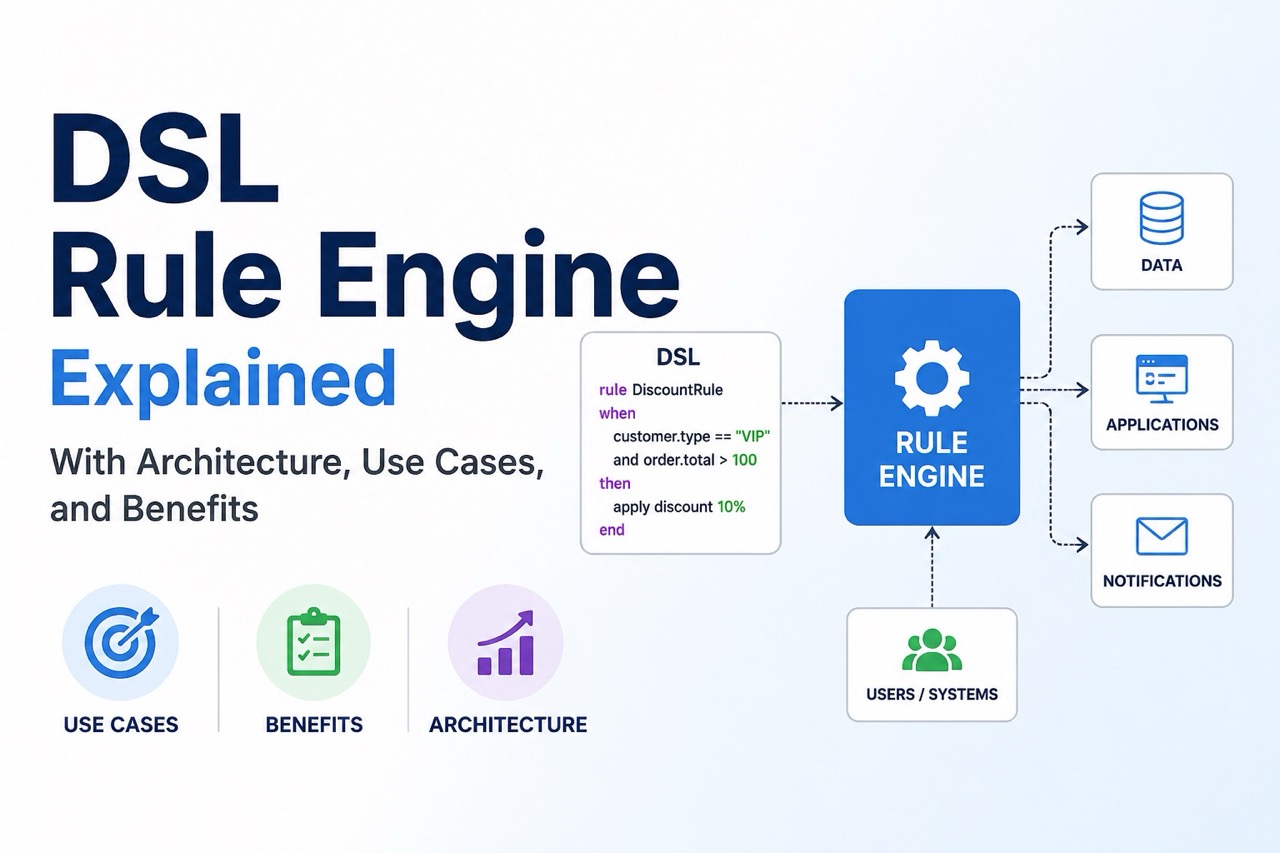
A DSL rule engine is a software platform that enables users or developers to write and run business rules in a domain-specific language, which is customised to serve a specific business domain such as insurance, finance, and e-commerce.
A regular application usually relies on hardcoded conditions:
if(customer.age > 18 && customer.country.equals("US")) {
   approveLoan();
}
That works initially. But when dozens of new rules appear, the logic becomes difficult to maintain. A DSL rule engine replaces those hard-coded conditions with rules written in a much easier manner.
For example:
IF customer_age > 18AND country = "US"THEN approve_loanThis is important since non-programmers may be able to modify the logic without any changes to the application code base.
The “domain-specific” part is important here. A DSL is designed around a specific business domain. A fraud detection DSL looks different from a logistics routing DSL because both industries solve different problems.
Instead of developers rewriting conditions every week, teams can update rules independently. That reduces deployment cycles and removes unnecessary dependency on engineering for every small business change.
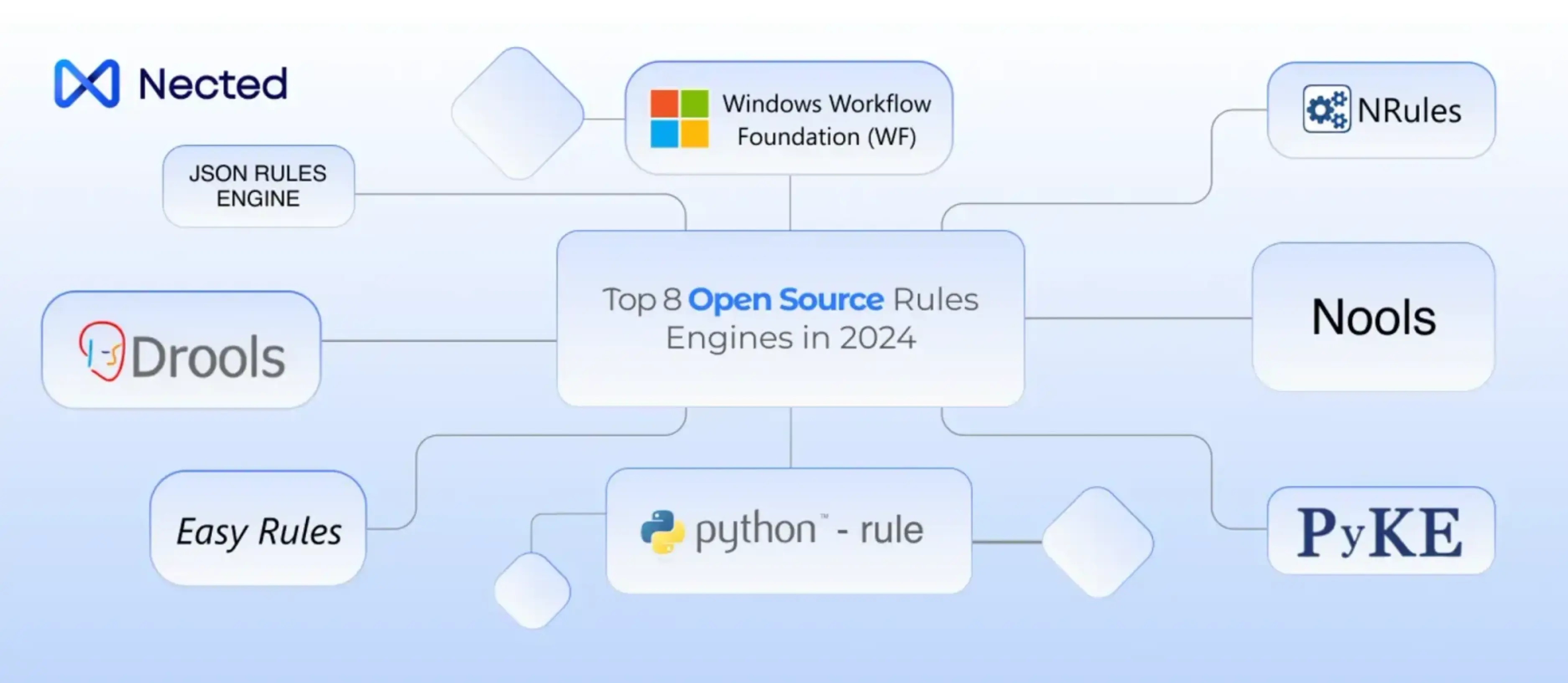
Many organizations use this approach alongside a larger business rule engine strategy to centralize operational decision-making.
Why Traditional Rule Handling Becomes Difficult?
Most systems start with a few simple conditions. Then the product grows.
A coupon engine initially checks whether a user is new. Later, it adds location restrictions, payment method conditions, inventory limits, festival discounts, loyalty tiers, and seasonal campaigns. Suddenly, the logic spans hundreds of nested conditions.
This is where hardcoded systems usually become painful.
- Deployment Dependency
Even a small rule update requires a developer to modify code, test it, and deploy a new version. Business teams end up waiting for engineering bandwidth.
- Growing If-Else Complexity
Large decision trees quickly become unreadable:
if(A){
if(B){
if(C){
After a point, nobody fully understands how the system behaves.
- Slow Business Process Changes
Changes to the way banks issue loans or insurers validate claims cannot allow weeks of delay each time there is an update made to the rules.
- Rule Code Duplication
The same rule will be duplicated in several places. The developers update a rule but forget about another one, which leads to discrepancies.
- Developer Dependency
The developer teams get involved in operational tasks rather than working on improving the platform itself. Nected eliminates the need for frequent backend code deployments by letting the teams update rules through a configurable workflow system.
- Hard-to-Maintain Decision Trees
Complex systems become risky to modify because one change can accidentally break another condition.
A logistics company is a good example. Delivery rules may depend on weather conditions, warehouse capacity, package size, delivery region, fuel cost, and driver availability. Hardcoding all of that creates fragile systems that become difficult to debug over time.
This is one reason many companies adopt a dsl based rules engine instead of relying entirely on application-level condition handling.
How does a DSL Rule Engine Work?
A DSL rule engine follows a structured execution flow. The exact implementation varies between platforms, but the overall process usually looks similar.
Consider an example where you have to approve loans.
The decision for approving loans is based on the following criteria:
- Credit Score
- Monthly Income
- Current Debt
- Employment
The conditions are not implemented in the backend, but are kept separately.
Step 1: Rules are Defined
Business analysts define rules like:
IF credit_score > 700
AND monthly_income > 50000
THEN approve_loan
Step 2: Input Data is Sent
The application submits customer details into the engine.
Example:
{  "credit_score": 750,
	"monthly_income": 65000,
	"employment_status": "full-time"
}
Step 3: Parsing Starts
The rule engine parses the DSL code and translates it into an execution logic.
Step 4: Evaluation of Rules
The inference engine evaluates the rules that can be applied to the given facts.
Step 5: Action Execution
Upon passing conditions, the engine executes predefined actions as follows:
Loan approval
Application rejection
Further validation
Step 6: Results are Returned to the Application
The final decision output is passed to the application. In this way, the application remains clean as the decision logic does not reside inside the core business logic.
Architectural teams that explore more complex automation architectures usually adopt this approach alongside the use of the rule engine design pattern.
Core Components of a DSL Rule Engine
A DSL rule engine usually contains several important components working together.
- Rule Definitions: Rule definitions are the business conditions written in DSL format. These define the expected outcomes for particular cases.
- Facts/ Input Data: Facts are the data at runtime that the engine processes. These may include information regarding the customers, transactions, stock, etc.
- Rule Parser: Rule Parser translates the code written in DSL into formats understandable by the engine. Without parsing, human-readable rules cannot become machine-executable.
- Inference Engine: Inference Engine determines which rules match the provided data. It acts as the decision-making layer of the system.
- Execution Engine: Once rules qualify, the execution engine performs actions linked to those rules.
- Rule Repository: Rules can be kept in a repository or a database to facilitate better management and updating of rules. It is common for some organizations to combine rule repositories with CI/CD pipeline integration.
You will often see these components inside enterprise-grade platforms or even an open source rule engine used for workflow automation and compliance management.
DSL Rule Engine vs Hardcoded Business Logic
Hard-coded business logic works perfectly well for smaller apps with unchanged rules. But once rule complexity grows, DSL-driven systems become easier to manage.
Many teams searching for rule engine DSL examples are usually trying to understand this exact shift from static logic to configurable systems.
Real-World Use Cases
Many groups that are looking for rule engine DSL examples are typically trying to comprehend this transition from hard-coded logic to configurable systems.
Real World Examples:
- Banks and Loans
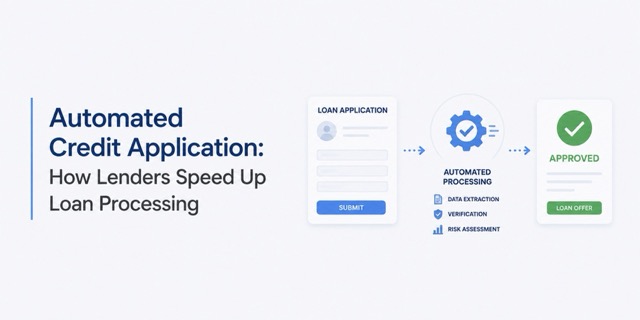
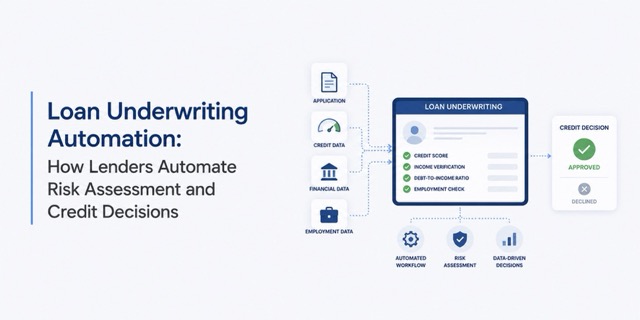
Rule engines are used by banks to check the validity of credit score, repayment behavior, debt ratios, and fraud checks before granting loans.
Instead of modifying the backend code when there is any change in regulatory rules, the teams simply have to modify the rules.
- Claim Validity
Insurance companies use rule engines to check the policy eligibility, completeness of documents, fraud signals, and payout conditions. The process becomes much faster with this approach.
- Coupon Programs
There are many promotions in e-commerce sites where you will see the following rule checks done:
- New customers
- Minimum orders
- Restrictions based on product categories
- Region-based discounts
Maintaining the logic for all these using application code can get difficult.
- Delivery Routing Systems
In delivery logistics, rules engines help in routing decisions based on:
- Traffic situations
- Fuel prices
- Order priority
- Vehicle capacity
- Weather conditions
With the help of configurable rules layers, it becomes easy and more reliable.
- Eligibility Checks in Healthcare
Healthcare organizations use rule engines to check the eligibility criteria, insurance conditions, and compliance checks before any treatments.
Benefits of Using a DSL Rule Engine
- Speed up Business Change: Business departments will be able to change business rules dsl without waiting for engineers to deploy changes in engineering.
- Simplified Business Logic: Business decision logic is separated from the application code.
- More Effective Collaboration: Business analysts and developers can cooperate in defining rules more effectively.
- Maintenance Benefits: Implementing isolated rule improvements carries lower risk than improving nested blocks of decision-making logic.
- Rule Reuse: The same rule can be used at different locations.
- Testability: It becomes easier to test the rules without affecting other aspects of the application.
- Scalability: As the number of policies increases owing to expansion, it will be easy to scale up the solution. This is great for the firms that require regular policy changes or automation of business processes.
Common Challenges and What to Watch Out For
DSL rule engines solve many problems, but they introduce their own challenges, too.
- Poor Rule Organization
As the number of rules increases, poorly structured repositories become difficult to manage. Teams should use naming conventions, versioning, and grouping strategies early.
- Overlapping Rules
Conflicting rules can create unpredictable behavior. This is where teams usually get confused because two valid rules may trigger different outcomes.
- Performance Issues
Large rule sets can slow execution if optimization is ignored. Caching and indexing become important in high-volume systems.
- Overengineering
Not every application needs a rule engine. Small products with stable business logic may do fine with traditional code.
- Governance Problems
If too many teams can edit rules freely, systems quickly become inconsistent. A proper review and approval workflow matters.
When Should You Use a DSL Rule Engine?
A rule engine built on a DSL is appropriate if:
- There are many changes to business rules
- People other than developers must see the rules
- The program involves big decision-making trees
- The rules are used by more than one service
- Regulation changes occur often
- The logic evolves faster than code changes in the application
You may want to reconsider using one if:
- The rules are not updated often
- The application is small
- The logic is not complex and stable
- Rules execution happens a little
Having a rule engine does not necessarily mean you have something better than hardcoded logic. It becomes valuable when flexibility and maintainability start to outweigh simplicity.
Key Takeaways
- The DSL rule engine distinguishes the business rules from application code.
- It enables businesses to cope with evolving business rules without frequent deployments.
- DSL makes business rules readable and maintainable.
- The banking industry, the insurance sector, logistics, and e-commerce rely on rule-based solutions.
- Hard-coded business rules work fine for small-scale solutions, whereas configurable business rules work better in the long run.
FAQs
Why use a DSL instead of hardcoded logic?
DSLs make business rules easier to update, understand, and manage without constant application deployments.
Are DSL rule engines available to non-programmers?
Yes, in most cases. Most DSLs are constructed in such a way that business analysts can easily manage them.
Are DSL rule engines scalable?
Yes, DSL rule engines are scalable when properly designed.
Are there open source DSL rule engines out there?
Yes. Several open-source platforms support configurable business rule execution using DSL-based approaches.
Do small applications need a DSL rule engine?
Not always. A smaller system that maintains its logic through stability may not gain enough from the complexity involved.
Which industries can gain the most from DSL rule engines?
Industries with dynamic operational rules, compliance regulations, and/or approvals gain most from such rule engines.



.svg.webp)

.webp)


.webp)