.svg)

.svg)


.png)
.webp)
A 1% improvement in pricing can lift profits by 8–11%, according to McKinsey. That’s why pricing is never just “set a number and move on.”
Factors affecting pricing are the internal and external forces that shape what a business can charge. Kotler and Armstrong break them into two buckets: inside the company and outside it. The first sets the floor. Cost, objectives, brand, the whole setup. The second sets the ceiling. Demand, competition, regulation, what people think the product is worth.
Get that wrong and pricing gets messy fast. This is where things usually break.
That’s also why Nected fits into the picture. Pricing rules change when demand shifts, costs move, or competitors cut prices. A rule engine can react to those changes without someone manually updating every single price.
What Are Factors Affecting Pricing?
Factors affecting pricing are the business and market conditions that influence how a price is determined. Some are internal, like cost structure and company goals. Others are external, like competition, customer demand, and government rules.
Think of it this way: internal factors decide how low you can go. External factors decide how high you can push it. Price sits somewhere in the middle, and the middle moves all the time.
Types of Pricing model
Businesses use different pricing models depending on what they’re selling and how the market behaves.
Cost-Plus Pricing
In cost-plus pricing, a business adds a fixed margin to the cost of making the product. Simple enough. A furniture maker spends Rs 15,000 on a table and adds 50%. The selling price becomes Rs 22,500. Covers cost. Leaves room for profit.
Value-Based Pricing
This one is tied to perceived value, not production cost. A luxury skincare brand may spend Rs 100 to make a moisturizer and still sell it for Rs 200 because buyers think it is worth that much.
Dynamic Pricing
Dynamic pricing changes with demand, timing, and competition. Airlines do this all the time. A ticket booked months earlier might cost Rs 2,000. Closer to departure, it can jump to Rs 4,000 if seats are running out.
Penetration Pricing
A new product launches low to pull customers in fast. A streaming service may start at Rs 50 a month and raise prices later after it has built a base. Pretty common. Sometimes too common.
Skimming Pricing
Skimming starts high, then drops over time. A new smartphone might launch at Rs 10,000 for early adopters, then fall to Rs 6,000 once the first wave passes.
Freemium Pricing
Freemium gives the basic version free and charges for premium features. A productivity app might offer task tracking at no cost, then charge Rs 200 a month for collaboration and cloud storage.
Once you know which factors affect pricing, you choose the model that fits them best. High cost pressure pushes you toward cost-plus. Heavy competition points to competitive pricing. Inelastic demand for a new product can support skimming. Different problems, different answers.
Read Also: Comprehensive Guide to Developing an Effective Risk Management Procedure
Internal Factors Affecting Pricing Decisions
Internal factors are the ones a company can control, at least partly. These shape the pricing floor.
1. Cost structure
Fixed costs, variable costs, labour, overhead. All of it matters. If costs are high, the price has to follow or margins disappear. Break-even analysis usually comes first, because that tells you the point where the business stops losing money.
2. Company objectives
A company that wants profit maximisation prices differently from one chasing market share. A business in survival mode may cut prices just to keep cash coming in. These goals matter more than people admit.
3. Marketing mix alignment
Price cannot sit alone. Product design, promotion, and distribution all push it around. A premium product with heavy branding can carry a higher price. A basic product sold through cheap channels usually cannot.
This part often gets ignored, and then teams wonder why the pricing feels off.
4. Brand image and product quality
Strong brands can charge more. So can products that feel premium, even if the actual cost difference is small. People pay for trust, status, and the idea that quality is better. Not always rational, but very real.
5. Organisational factors
Who actually sets the price? Top management, sales heads, regional teams? That changes how fast pricing moves. Centralised control is cleaner. Decentralised control reacts faster. Neither is perfect.
Read Also: Business Rules Management: Drools – Workbench and KIE Server
External Factors Affecting Pricing Decisions
External factors come from the market, the economy, and regulation. The business cannot control them directly, only react.
1. Demand and supply
When demand rises and supply stays tight, prices go up. When supply floods the market, prices fall. Price elasticity matters here too. Elastic demand means buyers back off quickly when prices rise. Inelastic demand means they don’t.
2. Competition
Pricing changes fast when competitors are close substitutes. In monopoly or oligopoly markets, there is more room. In highly competitive markets, companies usually price at par, slightly below, or bundle extra value just to stay in the game.
3. Consumer perception and willingness to pay
Customers don’t just buy products. They buy what they think the product is worth. A brand that feels trustworthy or premium can command a better price. A weak brand usually has to work harder and charge less.
4. Government regulations
Regulations can push prices up or cap them. Taxes, GST, VAT, price controls, and anti-discrimination laws all shape the final number. In some sectors, pricing is tighter than businesses would like. That is just the reality.
5. Economic conditions
Inflation, recession, and weak purchasing power all change what customers can absorb. In a downturn, even decent products start facing price resistance. In inflation-heavy periods, costs rise and prices usually follow.
6. Distribution channels
Every intermediary wants a cut. Wholesalers, distributors, retailers. Their mark-ups affect the final price, sometimes more than the product team expects.
Factors Affecting Price of a Product
When people search for factors affecting price of a product, they usually want the product-level stuff. Not a broad theory. Actual influences.
Product life cycle
Prices usually move with the product stage.
Quality, features, and uniqueness
A product with stronger features or clear differentiation can usually charge more. If it is easy to copy, the price gets pulled down fast. That part tends to get ignored until competition shows up.
Perishability and substitutability
Perishable products often need quicker price adjustments to avoid waste. Products with many substitutes face more pressure because customers can switch without much pain.
Factors Affecting Price Determination in Economics
In economics, price determination usually comes down to market equilibrium. The price settles where demand and supply meet. Simple on paper, messy in real life.
Price elasticity also matters. If demand is sensitive, price changes shift quantity demanded quickly. Income levels, too, play a role because purchasing power affects what buyers are willing to pay.
Cost of production sets the floor. A business cannot stay alive pricing below that for long. Consumer surplus matters as well, because the gap between what buyers would pay and what they actually pay is where pricing strategy gets interesting.
Pricing Models and Their Relationship to Pricing Factors
Once the factors are clear, the model choice becomes easier.
Cost-plus pricing works best when cost control matters most. Competitive pricing fits markets where rivals are close and customers compare fast. Skimming makes sense when demand is inelastic and the product is new. Penetration pricing helps when the goal is quick adoption. Freemium works for digital products where getting users in the door matters more at the start.
Airlines use dynamic pricing because demand changes by the hour. Streaming platforms lean on penetration or freemium because they need scale. Cost-plus still works well in manufacturing, where inputs are easier to track and margins have to stay disciplined.
How to Evaluate Which Pricing Factors Matter Most for Your Business
Not every factor deserves the same weight. SaaS companies usually care most about competition and perceived value. Manufacturing businesses feel cost structure first. Luxury brands live and die on image.
Real-World Examples: Factors Affecting Price of a Product
Airlines are the clearest example. Demand, time of booking, and seat availability all move prices. That’s dynamic pricing doing exactly what it should.
Pharmaceuticals are different. Regulation and product uniqueness matter more. If a medicine has few substitutes, the pricing room is bigger, but government controls can still cap what happens.
SaaS tools usually live in a mix of competition, perceived value, and freemium pressure. Users compare fast. Switching is not always hard. So pricing has to support growth without scaring off trials.
FMCG products lean on cost, distribution, and competition. Margins are thin. Channels take a slice. Price wars happen a lot more than brands would like.
Luxury goods are mostly about brand image and consumer psychology. Price is part of the signal. Lowering it too much can hurt the brand more than help sales.
How Nected Helps Businesses Respond to Pricing Factors in Real Time
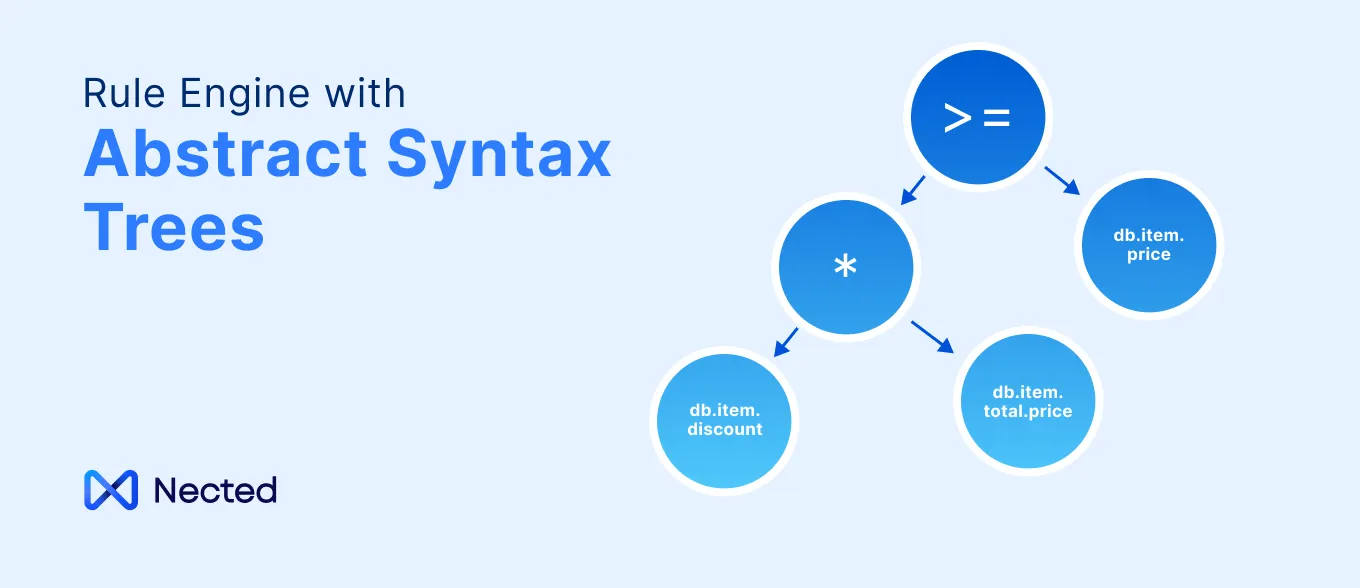
Each pricing factor needs a different response. Nected’s rule engine lets businesses encode those responses as automated pricing rules instead of handling them manually.
For example, a demand-surge rule can raise prices when inventory drops below a set threshold. A competitor-parity rule can match a scraped competitor price within a defined range. A cost-pass-through rule can adjust margins when raw material costs rise.
That is the useful part. Not theory. Actual rules that react when the market moves. automate pricing rules based on demand and cost factors
FAQs
Q1. What are the main factors affecting pricing decisions?
Internal factors include cost structure, company objectives, marketing mix, brand image, and organisational control. External factors include demand and supply, competition, consumer perception, government regulations, and economic conditions.
Q2. What are the internal factors affecting pricing?
Key internal factors are fixed and variable costs, company objectives, marketing mix consistency, product quality, brand positioning, and who has authority to set the price.
Q3. What are the external factors affecting price determination?
External factors include supply and demand, competition, price elasticity, consumer willingness to pay, government regulations, economic conditions, and channel mark-ups.
Q4. What factors affect the price of a product?
Product cost, lifecycle stage, uniqueness, quality, brand image, competition, demand elasticity, and regulation all affect the final price of a product.
Q5. How does price elasticity affect pricing decisions?
If demand is elastic, even a small price increase can reduce sales sharply. If demand is inelastic, a business has more room to raise prices without losing much volume. That’s why elasticity gets checked before major pricing changes.
Q6. How does competition affect pricing?
In competitive markets, pricing usually stays close to rivals. In monopoly or less crowded markets, companies have more flexibility. Price matching, undercutting, and value-added pricing are common responses.
Q7. What role do government regulations play in pricing?
Regulations can set minimums, maximums, and limits on unfair pricing. Taxes, GST, VAT, price controls, and anti-discrimination rules all affect how much a business can charge.
Q8. How can businesses automate pricing based on these factors?
They can use dynamic pricing rule engines that react to demand, cost, and competitor data in real time. Nected helps teams set those rules without manually changing prices for every transaction.


.svg.webp)
%252520(1).webp)




%252520(1).webp)


.webp)


.webp)


%2520(3).webp)
.webp)