.svg)

.svg)



.png)
.webp)
Organizations aim to maximize their operations' efficiency and agility in today's business environment. Rule engine and workflow engine play pivotal roles in achieving these objectives. This blog will dive into the details of the rule engine vs workflow engine and explore the functionalities, use cases, and differences between these essential components. Understanding these tools is essential for making businesses more productive and efficient.
What is a rule engine?
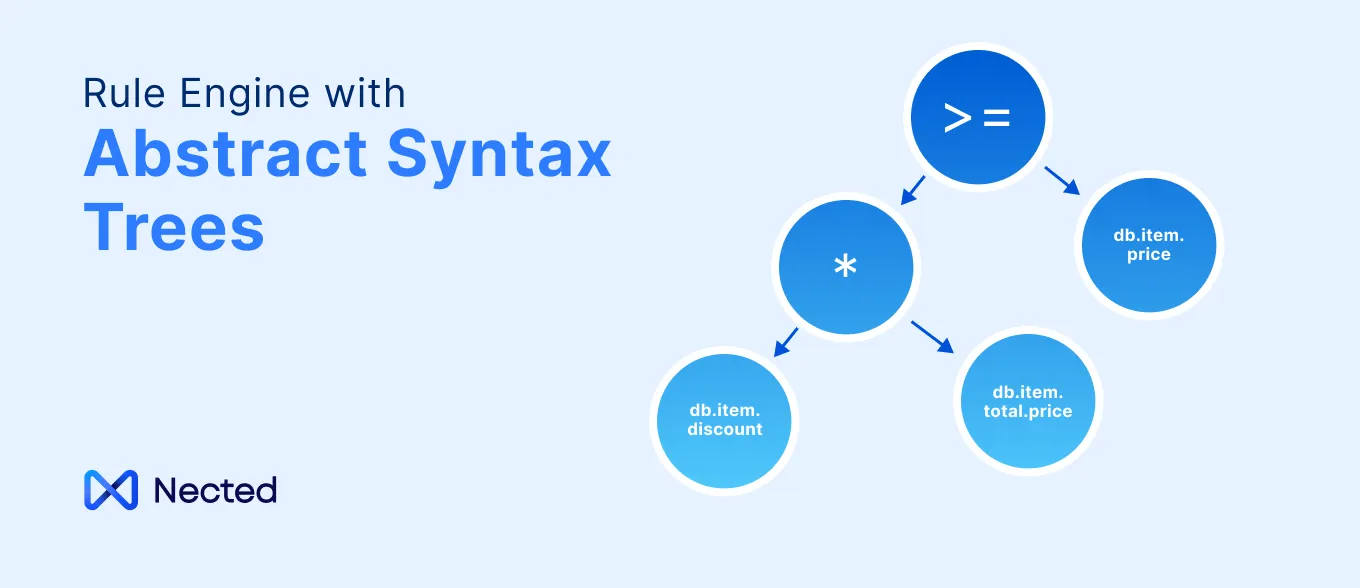
A rule engine is software that follows a set of rules or conditions defined by users. When certain conditions are met, the rule engine automatically triggers specific actions. It helps automate decision-making processes within software applications without needing any human intervention.
Delve into the inner workings and architecture of a rule engine to get a detailed explanation of how rule engines operate and how they are structured.
What is a Workflow Engine?
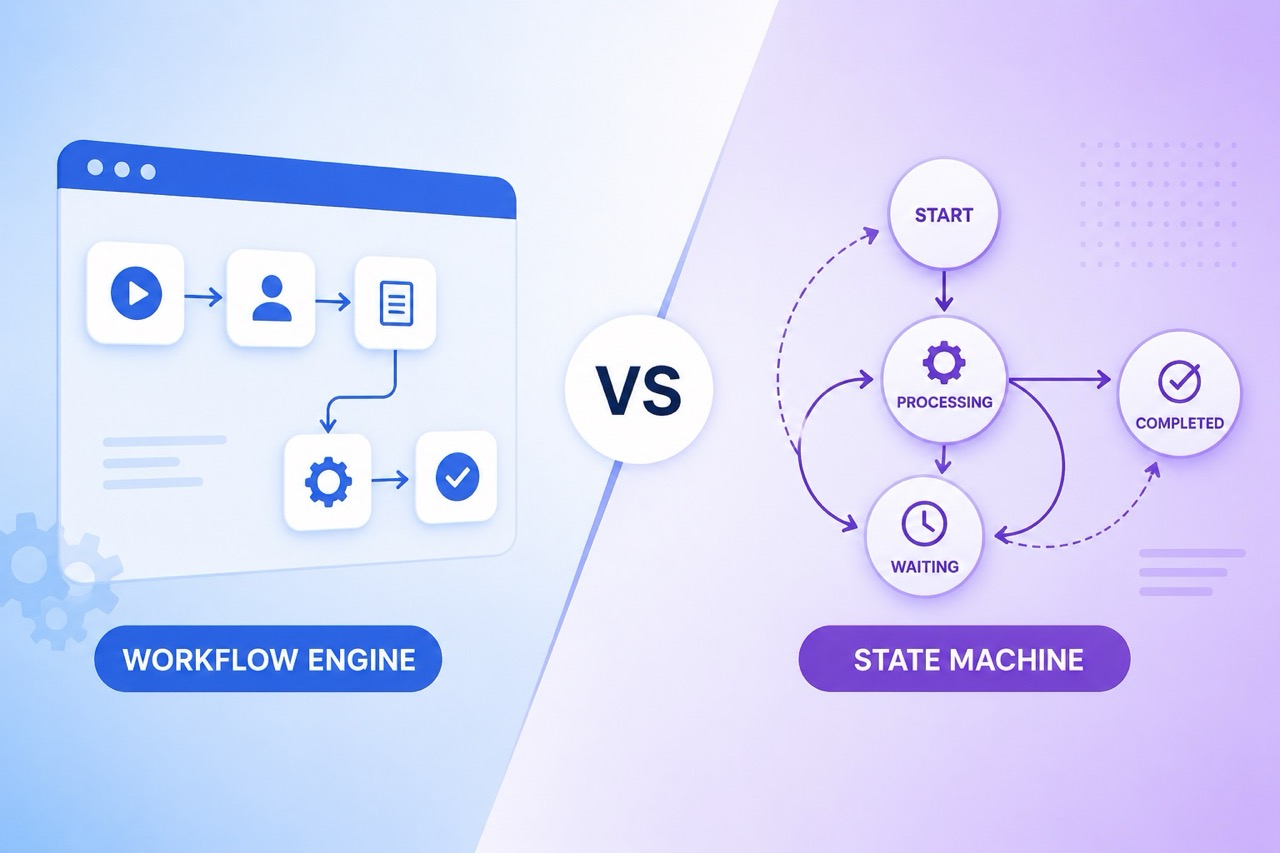
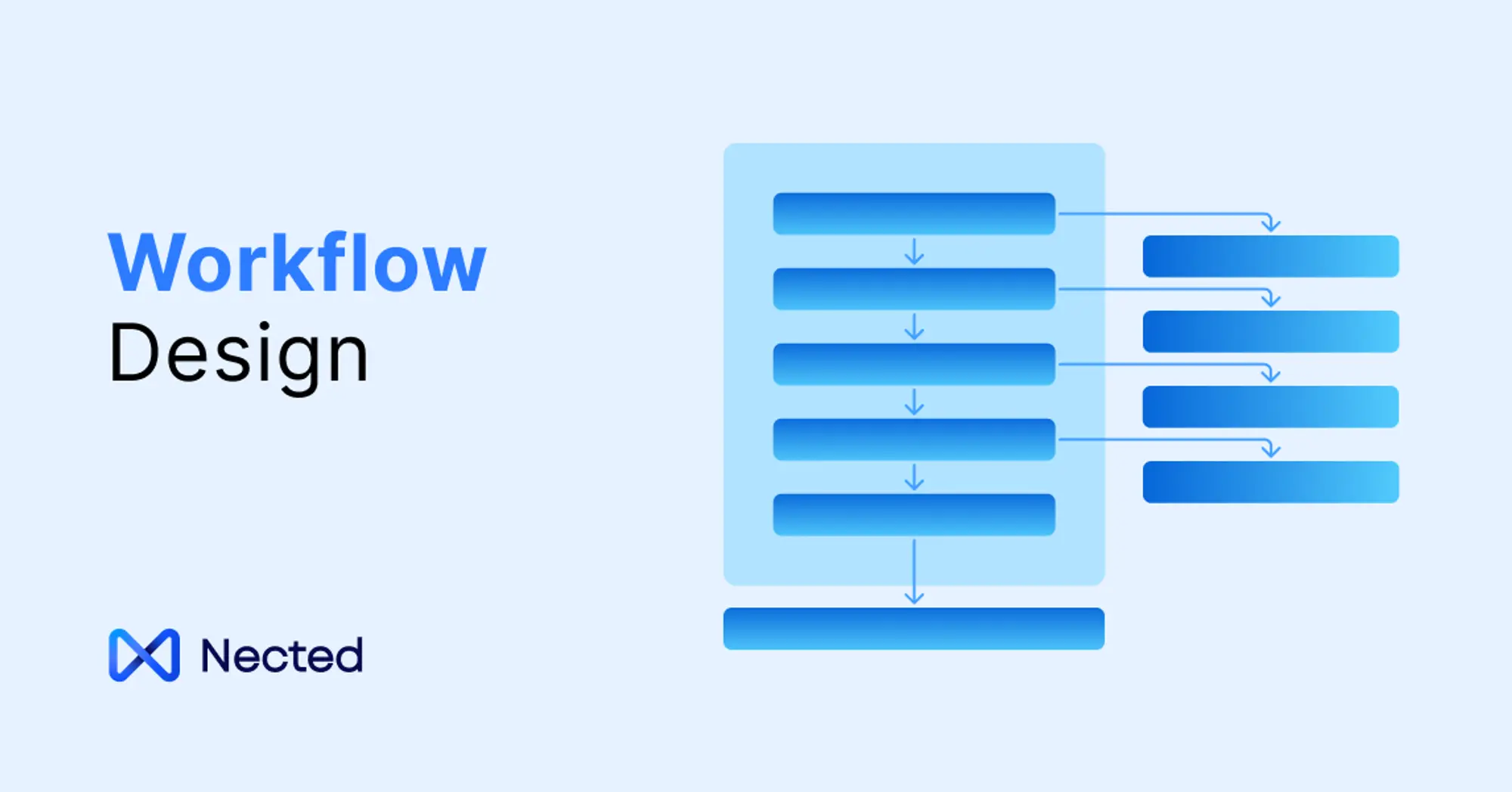
A workflow engine is like a manager for tasks in a business. It helps organize and automate the sequence of steps in a process and makes sure things get done efficiently. It enables organizations to map out the steps involved in completing a specific task or process and then automate the execution of those steps according to predefined rules and conditions. This automation accelerates workflow and ensures consistency in task execution.
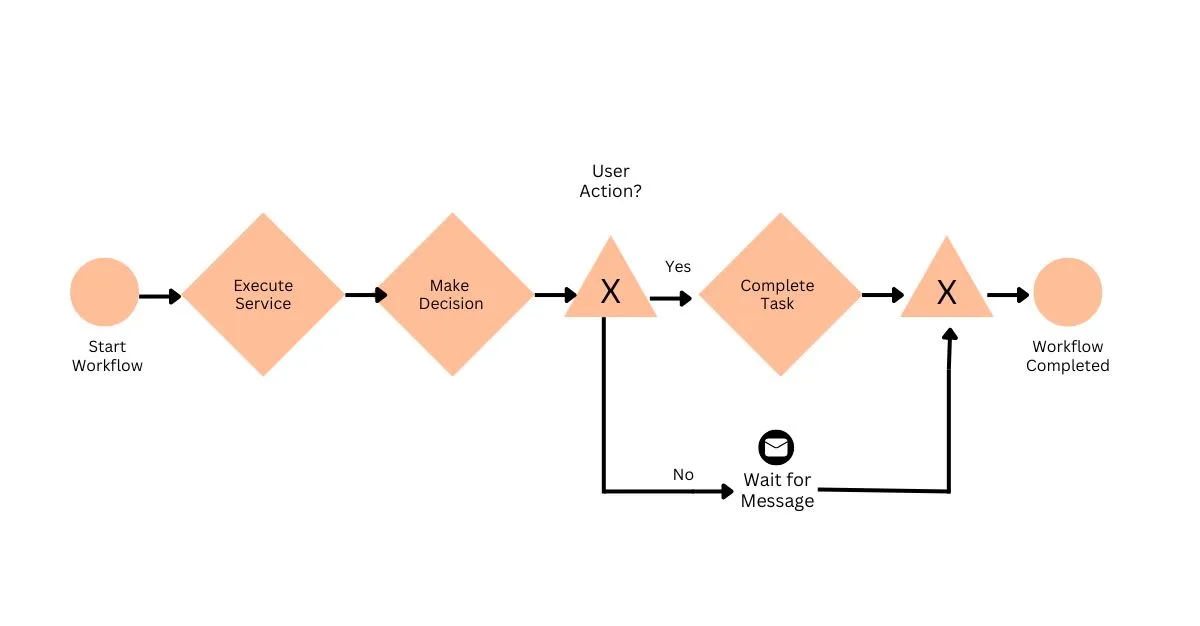
Understand how workflow automation enhances business efficiency and check various ways in which implementing a workflow engine can improve productivity within an organization.
This knowledge will complement the functionalities, use cases, and differences between rule engine vs workflow engine in maximizing operational efficiency.
Quick Comparison: Workflow Engine vs Rule Engine
Below is a handy comparative analysis to understand the difference between Workflow Engine vs Business Rule Engine. It highlights the distinctions between a rule engine and a workflow engine, showcasing their functionalities, scope and use cases within business operations.
From the analysis of rule engine vs workflow engine, you can understand that they serve different purposes and address different aspects of business operations.
When to use a Business rules engine and a Workflow engine?
In the comparison between the workflow engine vs rules engine, it's evident that they serve distinct purposes in organizational operations. Both engines play crucial roles with the rule engine ensuring rule-based decision automation and the workflow engine improving task execution.
In many cases, organizations require both engines to effectively manage complex workflows and enforce business rules simultaneously.
Many industries including finance and healthcare can automate their systems integrating both engines strategically.
A Real-life example
Let’s explore a healthcare scenario to see when the Rule engine can be utilized and when the workflow engine can be utilized. Suppose a patient admission is needed in a healthcare center. In a traditional procedure, several paperwork and human (staff) involvement will be needed to -
- check where the patient has past health records
- prompt form-filler (or patient) to fill the details correctly
- check duplicate records (if he has ever been admitted before)
- And many more crucial things like that
To make the process easy and accurate, rules engines can be utilized simply in such businesses.
Rule Engine Utilization
The rule engine can be configured to enforce compliance with regulatory requirements, such as verifying insurance eligibility, checking for duplicate patient records, and ensuring that all necessary documentation is complete before admission.

For example, when a patient's information is entered into the system, the rule engine (such as Nected) can automatically cross-reference it with existing records, flagging any duplicates for review or merging and prompting the user to fill in missing information based on predefined rules.
Execution of the Rule Engine
Upon entry of a new patient's information, the rule engine (like Nected) is automatically activated, comparing it with existing records to detect duplicates, which are then flagged for review.
Simultaneously, the rule engine checks for missing data, prompting the user to fill in any gaps according to predefined rules.
Users are then presented with options to merge or keep records separate. Once all checks are completed and any necessary updates made, the system validates the patient record against regulatory standards. Successful validation marks the record as complete, ensuring data accuracy and improving administrative processes within the healthcare system.
You have seen how a rule engine is utilized in a healthcare scenario. Now, let’s see how a Workflow engine can do wonders within this same organization.
Upon admission, the patient could need -
a) room allocation > nurse allocation > tracking of discharge
b) health assessment > report generation > medicinal prescriptions > billing
In a conventional healthcare organization, these post-admission tasks can include manpower, paperwork and lack of centralized procedure.
Implementing a workflow engine here can assign tasks effectively to avoid any delays and streamline the work.
For this, you would need a tool that facilitates you to create a workflow engine in no time. Let’s understand this scenario and how workflow engine implementation can help further.
Read more: Top 10 Java Rule Enginesfor your Business Decisions in 2026
Workflow Engine Implementation
The workflow automation engine like Nected can manage the entire admission process, orchestrating the sequence of tasks from initial patient intake to room assignment, medical assessment, and discharge.
Each step of the workflow can be automated, assigning tasks to relevant staff members, sending notifications for pending actions, and tracking progress in real-time.
For example, upon patient admission, the workflow engine can generate a checklist of tasks for the admitting nurse, including vital sign assessment, medication reconciliation, and documentation completion, ensuring that no steps are overlooked and streamlining the process.
Execution of the Workflow engine
Workflow engine like Nected is activated to manage the entire admission process. It begins by orchestrating a sequence of tasks for the admitting nurse, generating a checklist including vital sign assessment, medication reconciliation, and documentation completion. Each task is automatically assigned to the relevant staff members, and notifications are sent for pending actions.
As the tasks progress, the workflow engine tracks their status in real-time, ensuring that no steps are overlooked. Once all tasks are completed, the workflow engine begins the discharge process and guides the patient through the necessary steps. Through this automation, workflow engine improves the admission process, enhances efficiency, and ensures a smooth experience for both patients and healthcare staff.


Integrated Solution Benefits
- By integrating both the rule engine and workflow engine within a platform like Nected, healthcare organizations can achieve an efficient admission process.
- The rule engine ensures that all regulatory requirements are met, reducing the risk of compliance violations and associated penalties.
- The workflow engine optimizes task execution, minimizing delays and ensuring that patients receive timely and comprehensive care.
- Nected simplifies implementation and management for healthcare administrators, offering a centralized system for configuring rules, designing workflows, and monitoring operations in real-time.
From the scenario discussed above, it’s clear that a comprehensive solution can enable healthcare organizations to effectively manage complex workflows while ensuring compliance with regulatory standards, ultimately enhancing productivity, improving processes, and delivering high-quality patient care.
Nected, a no code/ low tool, can help you do that effortlessly. Not just for healthcare, but for any industry you want it to utilize.
Try it today and avail the features offered by Nected for your specific business needs.
Conclusion
In conclusion, the comparison between the rule engine vs workflow engine highlights their distinct roles in organizational operations. However, for comprehensive operational optimization, integrating both engines is often necessary, particularly in industries requiring both rule-based decision automation and efficient task management.
Nected provides both rule engine and workflow automation within a unified platform and offers organizations an effective solution to enhance productivity and bridge the gap between rule engine vs workflow engine functionalities. Want to try out? Signup for free and use it for your organization.
FAQs
Q1. What is the difference between a rule engine vs workflow engine?
The Rule Engine evaluates conditions against predefined rules for decision-making and the workflow engine orchestrates tasks in a predefined order to achieve specific outcomes.
Q2. When should I use the rule engine vs workflow engine?
A Nected’s rule engine is used for implementing complex business rules or decision-making logic and Nected’s workflow engine is used for managing and automating structured, repeatable processes involving multiple tasks.
Q3. Can a rule engine and a workflow engine be used together?
Yes, platforms like Nected allow the integration of both engines for dynamic adaptation of workflows based on real-time data and complex business rules to enhance efficiency and business flexibility.



.svg.webp)

.webp)


.webp)
.webp)


.webp)


.webp)


%2520(3).webp)

.webp)