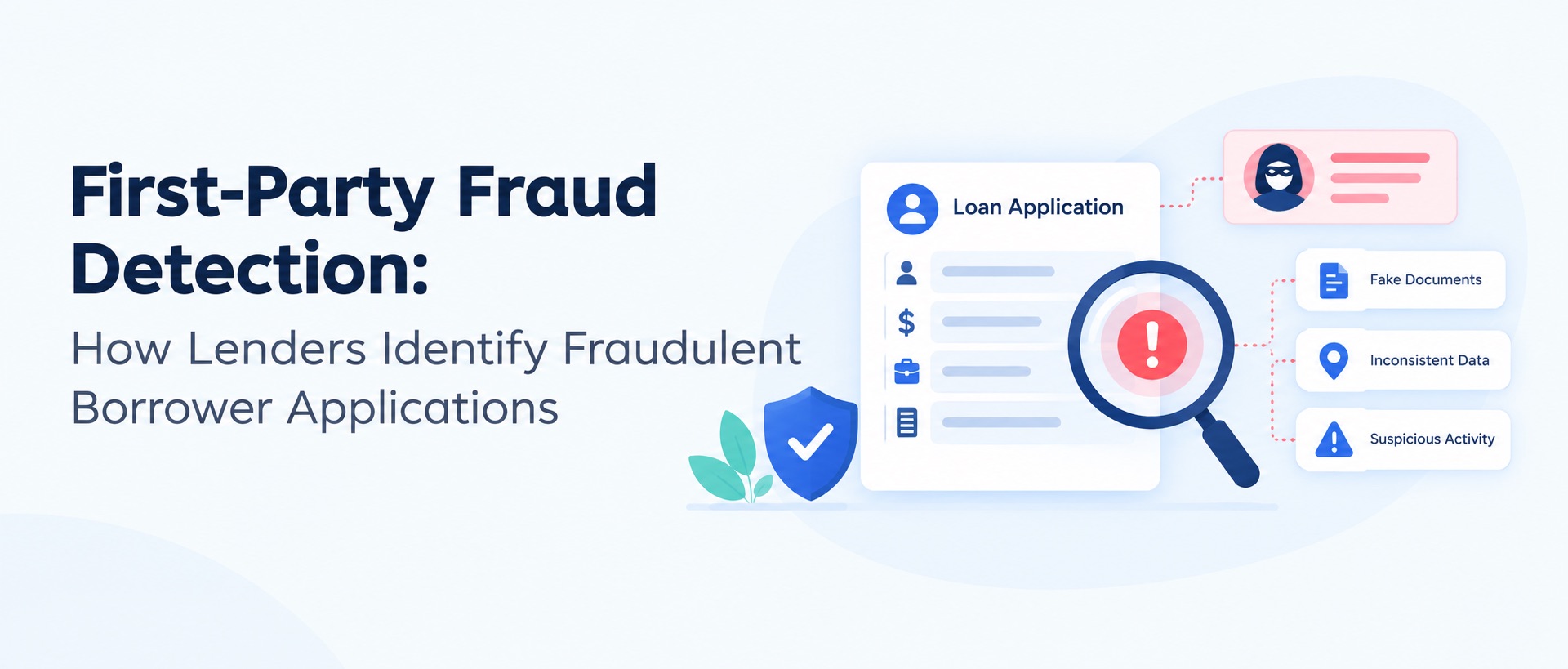



First-party fraud is difficult to detect because the borrower can use their own identity, documents, and legitimate bank accounts. The deception lies in the claims being made or how he or she intends to use the loan proceeds.
The borrower could underreport income, underreport debts, underreport employment, manipulate finances, or obtain a loan with no intention to pay it back. Standard identity verification can still pass because there is no stolen identity to detect.
For lenders, this creates a different detection problem: does the borrower's information and behavior make sense when viewed against the data the lender already has?
Why First-Party Fraud Is Harder to Detect Than Identity Fraud
Identity fraud usually gives a lender a clear verification question: does the applicant match the identity being presented? First-party fraud does not.
The applicant may pass KYC, provide their own bank account, and have an established credit file. The problem may only become visible when the lender compares the application with income records, previous applications, existing liabilities, or later repayment behavior.
For instance, the borrower reports an income of ₹80,000 per month through a new application. Previously, the income was ₹50,000, whereas currently the verified income is ₹52,000. The identity is genuine. The issue is the material inconsistency in the financial information used to obtain credit.
This is also why first-party fraud can be confused with ordinary credit losses. A borrower who cannot repay may simply have experienced financial difficulty. A borrower who deliberately misrepresented their financial position to obtain credit presents a different risk. The distinction often depends on evidence of intent and behavior over time.
Also Read: Fraud Detection in Banking
What Makes a Borrower Application Look Suspicious?
There is rarely one field that identifies first-party fraud. The stronger signal is usually a conflict between information sources or a pattern across applications and accounts.
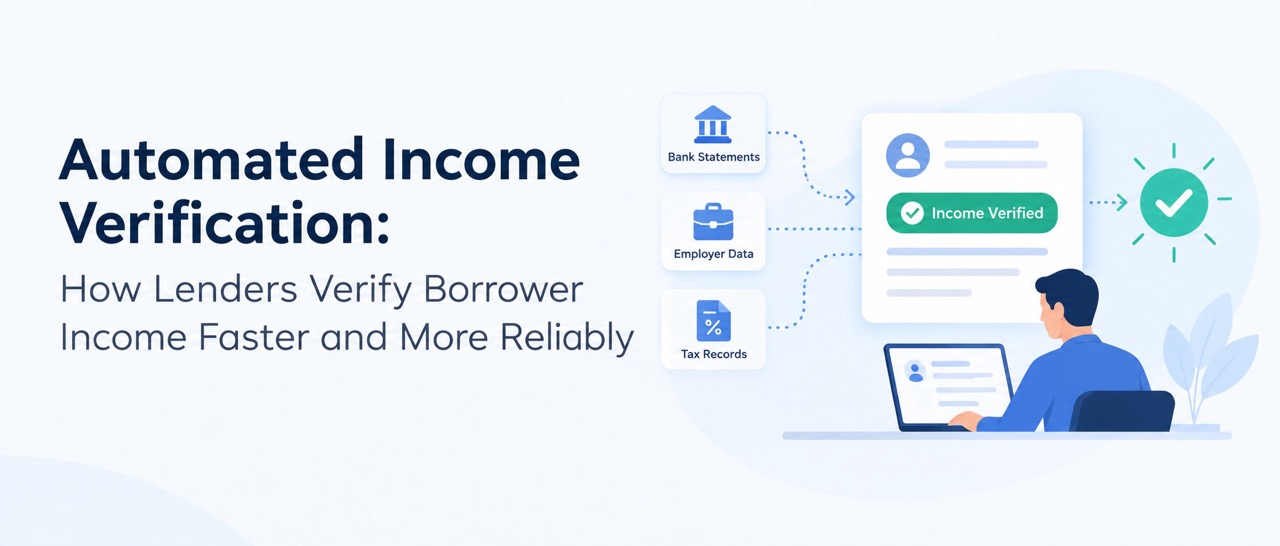
Income is a good example. A lender can compare declared income with verified income, bank transactions, previous applications, and employment information. A small difference may have an ordinary explanation. A large difference that materially changes eligibility deserves closer examination.
Debt creates a similar problem. In case an individual is claiming monthly liability of ₹10,000, and there is a considerably larger outstanding debt shown by the bureau or company’s data, the mismatch plays a direct role in the ability to afford the loan.
There may be another aspect: application history. Suppose a borrower has reported ₹50,000 income on one application, ₹65,000 on another, and ₹90,000 on a third within a short period. Each application may look reasonable when assessed alone. Viewed together, the pattern becomes much more relevant.
Early repayment behavior can also provide evidence after origination. First-payment defaults and other early-loss patterns can help lenders distinguish potential first-party fraud from borrowers who develop financial distress later. Experian specifically recommends combining early delinquency indicators with application, behavioral, and identity-related signals rather than relying on one measure.
The important point is that a suspicious signal should create a question, not automatically create a fraud finding.
How Lenders Detect First-Party Fraud Across Application and Account Data
First-party fraud detection becomes useful when lenders stop looking at the current application in isolation. A new application can be compared against information already available across the lender's systems: previous applications, existing loans, repayment history, declared income, verified income, account activity, and previous fraud outcomes.
Consider a borrower applying for a second personal loan.
The new application reports higher income and no additional liabilities. The bureau shows new credit opened elsewhere, while the lender's own records show the borrower already has an active facility. The new income also cannot be supported by the available verification data.
None of these facts alone proves fraud. Together, they create a materially different picture of the application. A lender can therefore evaluate the application through a sequence such as:
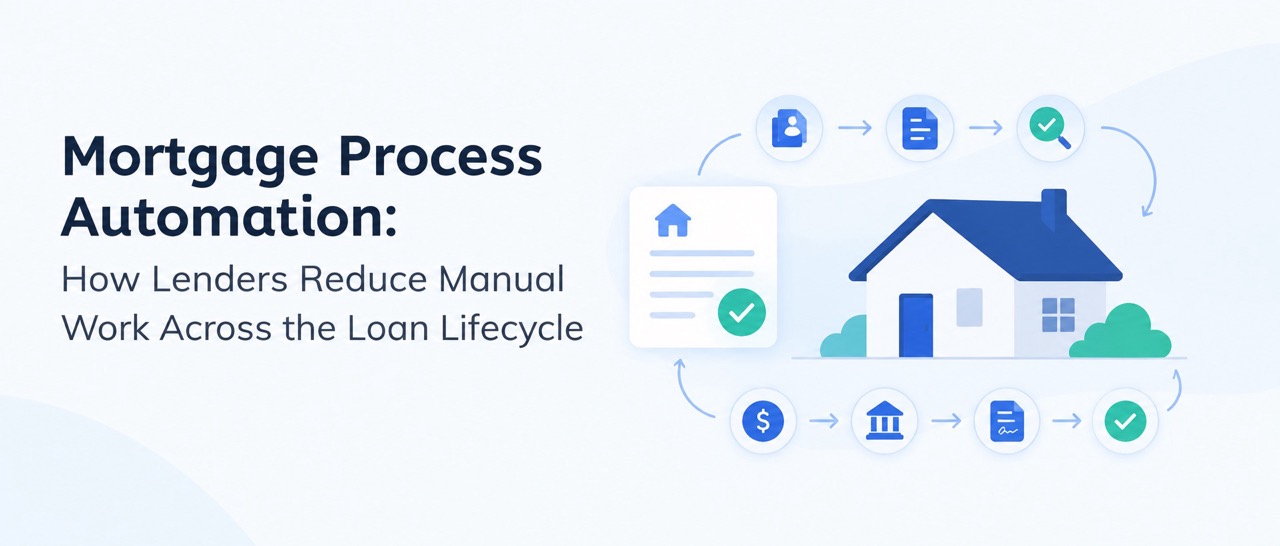
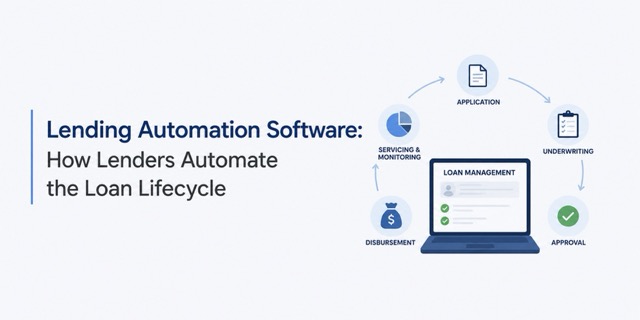
Application → verification → underwriting → credit decision → post-origination monitoring
This approach also helps distinguish new information from contradictory information. A borrower's income can legitimately increase. What matters is whether the change is supported by available evidence and whether it materially affects the credit decision.
The same logic applies to loan stacking. If a borrower takes several facilities from different lenders within a short period, each lender may initially see only its own exposure. Credit-bureau inquiry and account data can provide a broader view of the borrower's simultaneous credit activity.
Also Read: Fraud Detection Techniques
Where First-Party Fraud Detection Fits in the Lending Process
First-party fraud detection should not be treated as a single check immediately before disbursement. The first opportunity comes at application intake, when the lender can compare declared information with previous applications and available external data.
During verification and underwriting, the lender gets stronger evidence. Income, employment, bank, document, and credit information can confirm or contradict what the borrower originally provided.
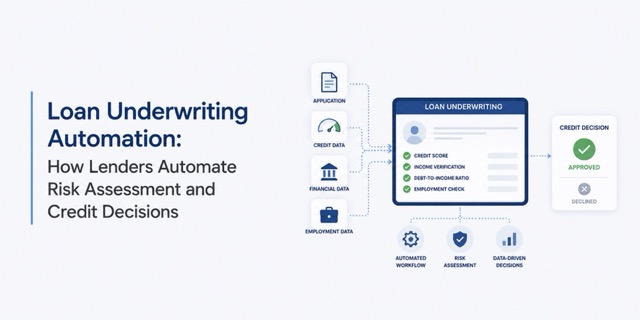
The credit decision is where those signals need to affect the application path. A borrower can meet a credit-score threshold and still require review because material information appears deliberately inconsistent.
There is also a post-origination signal. If a newly funded account becomes seriously delinquent almost immediately, that behavior can become useful fraud intelligence for future applications and portfolio monitoring. First-payment default is not proof of fraud, but it can be an important indicator when combined with application and behavioral evidence.
This creates a feedback loop:
Current application → verification data → existing exposure → historical application data → behavioral signals → fraud decision
The lender can use confirmed outcomes and observed behavior to improve how similar applications are assessed later.
First-Party Fraud vs. Credit Risk: Why Lenders Need to Treat Them Differently
First-party fraud and credit risk can produce the same immediate outcome: the lender does not get repaid. The reason behind that outcome is different.
Consider two borrowers with the same weak affordability profile. One accurately reports their income and debts but later loses their job. That is credit risk.
The other deliberately hides existing loans to qualify for additional credit. That is a potential first-party fraud case.
Treating both as the same problem can distort the lender's risk picture. Recent industry analysis has highlighted that first-party fraud can be hidden inside ordinary credit losses when early fraud-driven defaults are classified only as credit deterioration.
Credit models answer whether the borrower is likely to repay. Fraud controls need to answer whether the information and behavior supporting the credit decision can be trusted.
How Nected Helps Connect Fraud Signals to Lending Actions
First-party fraud detection produces signals, but lenders still need configurable rules to determine what those signals should trigger. An income discrepancy may require additional verification in one case, while the same discrepancy combined with undisclosed debt and unusual credit activity may require fraud review.
Nected can complement existing lending and fraud systems by providing a configurable decisioning and workflow layer for these conditions.
For example:
Fraud signals → Nected rules → lending action
Income discrepancy → Additional verification
Undisclosed debt + material income mismatch → Credit review
Multiple linked applications + unusual credit activity → Fraud review
No material fraud conditions → Continue processing
This helps lenders to combine application information, verification information, historical information, and fraud indicators using business logic and workflow actions.
The underlying fraud and lending systems can continue to provide the data and signals, while Nected can determine the appropriate next step based on the lender's configured rules.
Conclusion
First-party fraud detection is not primarily an identity-verification problem. A borrower may use a genuine identity while providing information or behavior that does not align with the credit being requested.
Effective detection therefore depends on connecting application information, verification results, existing exposure, historical applications, and behavioral signals across the lending lifecycle.
Nected can complement this process by providing a configurable decisioning and workflow layer that connects fraud signals to the appropriate next action, whether that means additional verification, credit review, or fraud investigation.
The goal is not to treat every inconsistency as fraud. It is to identify meaningful patterns, separate potential fraud from ordinary credit risk, and route each case through the appropriate process.
Frequently Asked Questions
What is first-party fraud in lending?
First-party fraud occurs where the individual uses his own identity, although he makes false statements or misuses his credit for monetary gain. Examples of first-party fraud include false income, debt, and non-payment.
How does first-party fraud differ from identity fraud?
Identity fraud implies that the fraudster uses the identity of someone else. First-party fraud means that the applicant uses his/her identity, but he/she passes all identity verification checks.
What signals can indicate first-party fraud?
Useful signals include material income discrepancies, undisclosed liabilities, inconsistent information across applications, unusual credit-seeking behavior, and early repayment problems when combined with application evidence. No single signal should automatically establish fraud.
Can a credit score detect first-party fraud?
Not necessarily. A credit score only measures the risk associated with payment. It doesn’t determine whether there was an intention to misrepresent information in getting credit.
Does a first-payment default mean first-party fraud?
No. A first-payment default can result from genuine financial difficulty. It becomes more useful as a fraud signal when combined with application, behavioral, and other evidence.
When should lenders check for first-party fraud?
Checks should begin during application and verification, continue through credit decisioning, and feed post-origination behavior back into fraud monitoring where appropriate.
Should every suspicious application be rejected?
No. A discrepancy may require additional verification rather than rejection. The lender should define separate paths for verification, credit review, fraud investigation, and continued processing.
Can first-party fraud detection be automated?
Yes, where the lender has defined rules and reliable data. Comparing applications, exposure tests, verification requirements, and referrals could all be done by computerized systems, while those applications with contradictory evidence or intent issues would still be handled by humans.
How can Nected support first-party fraud detection?
Nected can apply configurable rules to application, verification, historical, and fraud-signal data to determine the appropriate next action, such as additional verification, credit review, or fraud investigation.