.svg)

.svg)



.png)
.webp)
A lender can have a digital application form and still process loans manually. The borrower may submit an application online, but the file can still wait for income verification, a credit-bureau response, document review, fraud checks, or an underwriter to reconcile information from different systems. Approval can create another queue if required documents or conditions have not been completed.
That is the operational gap digital loan origination addresses. It connects the activities between application submission and funding so that information can move automatically, checks can run when required, and applications can be routed according to their actual status. The underwriter still makes a judgment where the policy requires one; the difference is that the underwriter does not have to coordinate every preceding step manually.
Where Loan Processing Slows Down Between Application and Approval
Loan processing usually involves several systems, even for a relatively simple consumer loan. The LOS may hold the application, while a credit bureau provides credit history, an income-verification provider confirms earnings, a fraud system evaluates suspicious activity, and the core banking system contains existing customer exposure.
The delay appears when these systems do not operate as one process.
Verification Becomes a Waiting Point
Consider a personal-loan application submitted with a declared monthly income of ₹75,000. The lender may need to verify that income before calculating affordability. If an employee has to initiate the verification, wait for the response, review the result, and then update the application, the credit decision cannot start until those activities are completed.
The same issue occurs with bureau checks, identity verification, bank-account validation, and document checks. Digital origination allows the application event to trigger the required checks and make their results available to the next stage.
Underwriters Spend Time Reconstructing the Application
An underwriter may need to look at the application, bureau report, income-verification result, bank statement, fraud result, and existing exposure separately. The credit judgment may be straightforward, but assembling the information is not.
A connected origination process can bring these results into the decision flow so the underwriter receives a more complete application rather than having to reconstruct it across multiple screens and systems.
Exceptions Get Mixed With Routine Applications
Suppose a lender automatically approves personal loans up to ₹10 lakh when income, DTI, bureau, and fraud conditions are satisfied.
An application requesting ₹15 lakh is not necessarily a bad application. It simply exceeds the automated approval authority.
If the system cannot identify that condition, the application can sit in the standard queue until someone notices it. A digital process can route it immediately to the appropriate approval path.
The important distinction is that digital origination does not remove manual decisions. It removes unnecessary waiting and coordination around those decisions.
Also Read: Best Loan Management Software & Systems
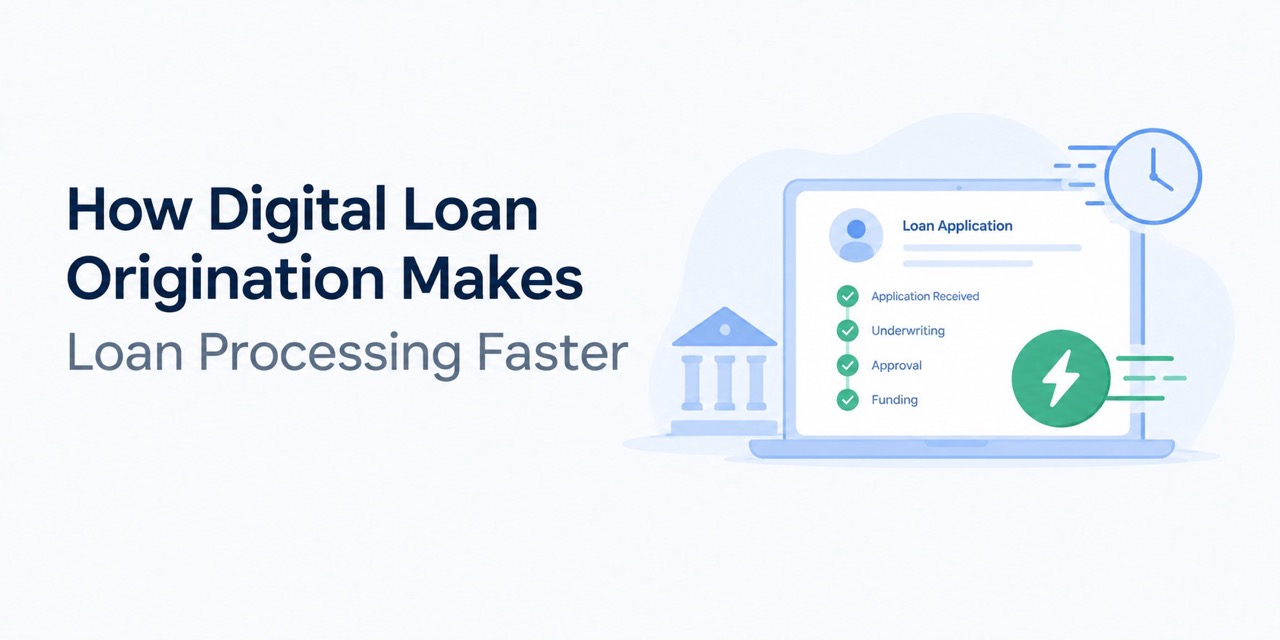
What Happens From Loan Application to Disbursement?
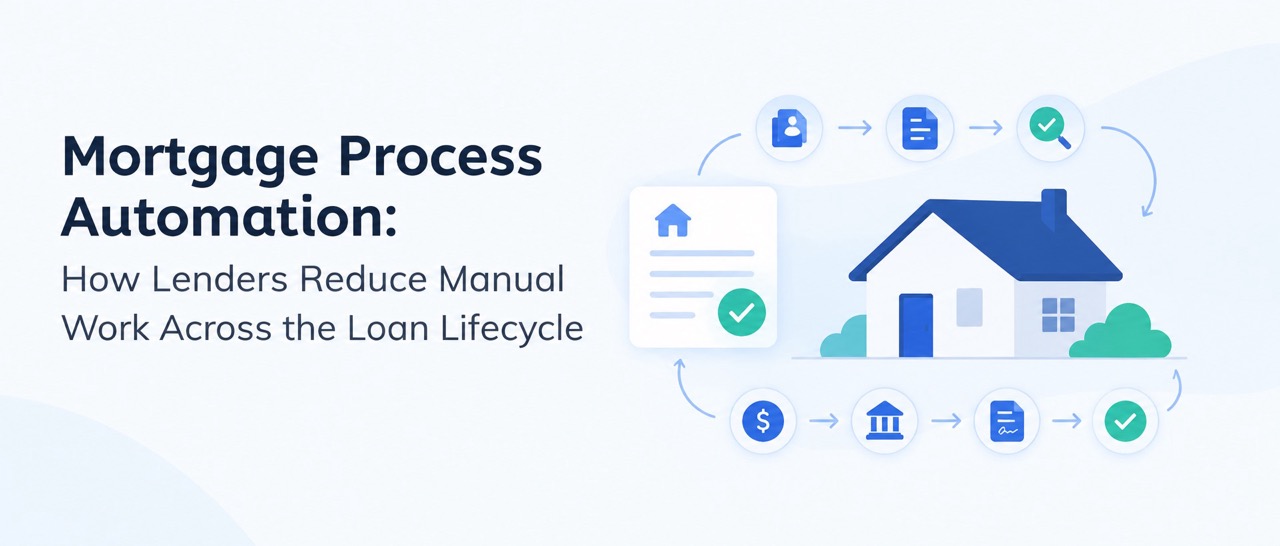
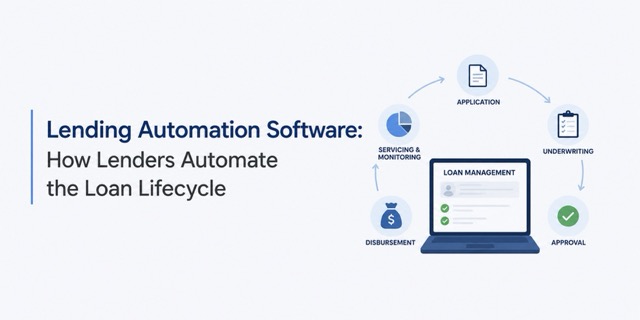
With those bottlenecks addressed, it helps to look at how a connected digital origination process moves an application from submission to disbursement. The underlying credit lifecycle remains the same; what changes is how information and actions move between each stage.
Application → validation → verification → credit assessment → decision → approval conditions → documentation → disbursement
1. Application and Validation
The borrower submits personal, employment, financial, and loan information. The origination system first checks whether the information required for that product is present. For example, a salaried personal-loan application may require employer information, monthly income, existing liabilities, requested amount, and repayment term.
If a mandatory field or document is missing, the application can be stopped before it reaches underwriting rather than becoming an incomplete underwriting case.
2. Identity, Income, and Financial Verification
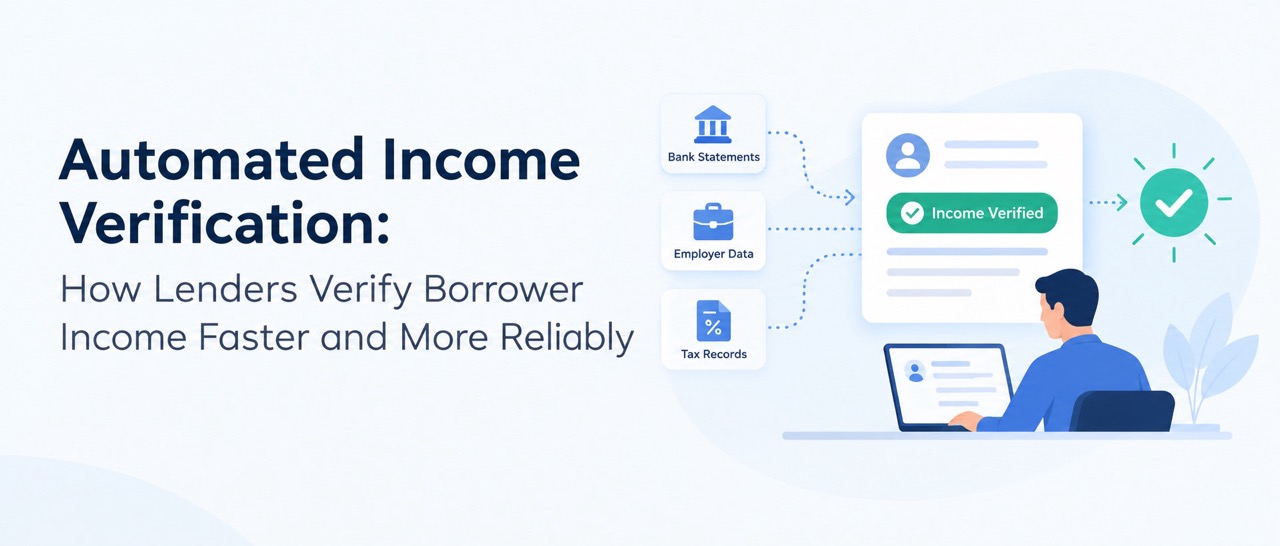
The kind of checks needed is dependent on the type of product and the lender. A personal loan will need identity and income verification, while an auto loan will need more. An SME loan can require business financials, bank transactions, ownership information, and tax records.
The important part is that the results become structured inputs to the credit process. If declared income is ₹75,000 but verified income is ₹58,000, that difference should not simply sit inside a verification system. It needs to be available to the underwriting logic that determines affordability and eligibility.
3. Credit Assessment
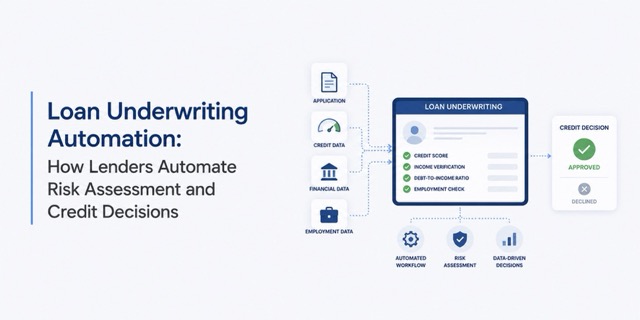
The lender then combines the verified information with credit and internal exposure data. For example, an unsecured personal-loan policy could consider:
- Credit-bureau history
- Verified monthly income
- Existing monthly obligations
- Debt-to-income ratio
- Current exposure with the lender
- Requested loan amount
- Loan term
- Fraud result
- Product eligibility
The resulting assessment is specific to the lender's policy. A credit score by itself does not determine whether the loan should be approved.
4. Decision and Referral
The application can then follow the appropriate path. A borrower who meets the product's automated criteria may proceed without an underwriter manually checking every field.
An application with a policy exception can be referred. For example, if the lender permits automated approval up to ₹10 lakh but the application requests ₹14 lakh, the application can be routed to an approval authority instead of being treated as a failed application. Likewise, an income mismatch can trigger additional verification rather than an immediate decline.
5. Approval Is Not the Same as Disbursement
However, this fact tends to be overlooked while considering the automation of loans. In spite of the fact that the credit team has approved the loan, the lender can have certain conditions regarding signatures, mandate, collateral, etc., to release money.
Digital origination can track those conditions separately from the credit decision. That prevents an approved application from being treated as automatically ready for disbursement.
What Changes Operationally With Digital Loan Origination?
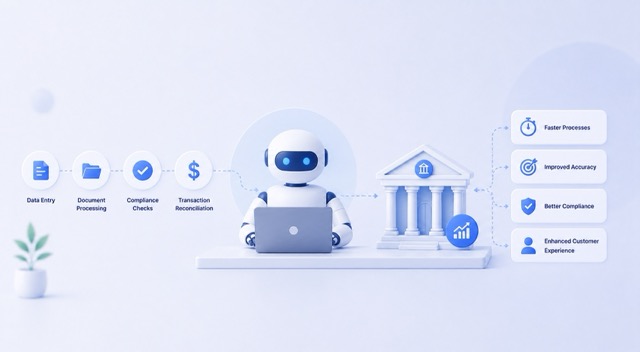
The process itself may look familiar, but digital origination changes how much manual coordination is required between those stages. Instead of employees initiating, checking, and following up on each activity, the workflow can respond to application events and completed checks.
- Application Submission Can Trigger Downstream Checks: Once an application is submitted and validated, the system can initiate the checks required for that loan product. For example, a personal-loan application can trigger identity, bureau, income, and fraud checks without an operations employee starting each request separately.
- Verification Results Can Trigger the Next Step: The result of one check can determine what happens next. A verified income result can move the application to affordability assessment, while a failed verification can trigger an additional-document workflow or manual review.
- Credit Teams Can Receive Decision-Ready Information:
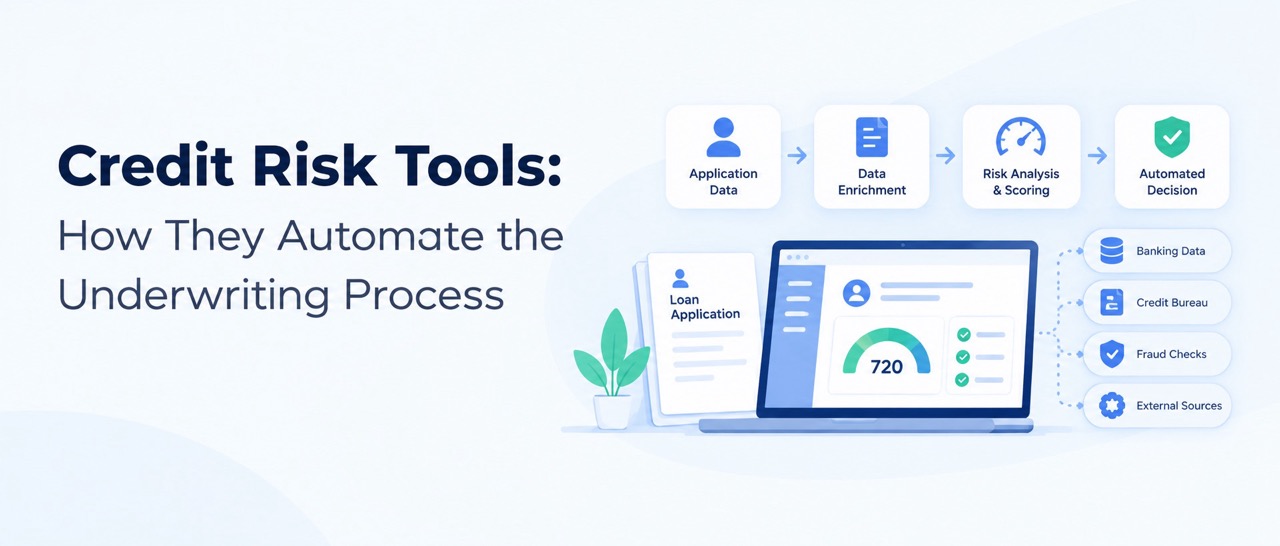
Declared income → verified income → existing liabilities → DTI → bureau result → fraud result → policy outcome
Bringing these inputs together reduces the time an underwriter spends collecting information before making a credit judgment. The final decision can still remain with the credit team when the lender's policy requires human review.
- Exceptions Can Be Routed Instead of Queued: A missing document, failed verification, policy exception, or approval-authority breach can be routed to the appropriate workflow as soon as the condition is identified. This keeps routine applications moving while giving exceptions a defined path for review.
What Role Does AI Play in Digital Loan Origination?
Digitization binds the lending process together, and AI adds intelligence to various stages of this process. The purpose of the latter is best described as helping out in various tasks but not replacing the origination process altogether.
AI Can Extract Data From Borrower Documents
Loan applications can contain payslips, bank statements, tax documents, and other financial records.
AI-based document processing can extract relevant values such as income, employer information, account balances, transaction details, or tax figures and make them available to the underwriting workflow. This is useful when the lender still receives documents even though the rest of the application is digital.
AI Can Identify Fraud Patterns
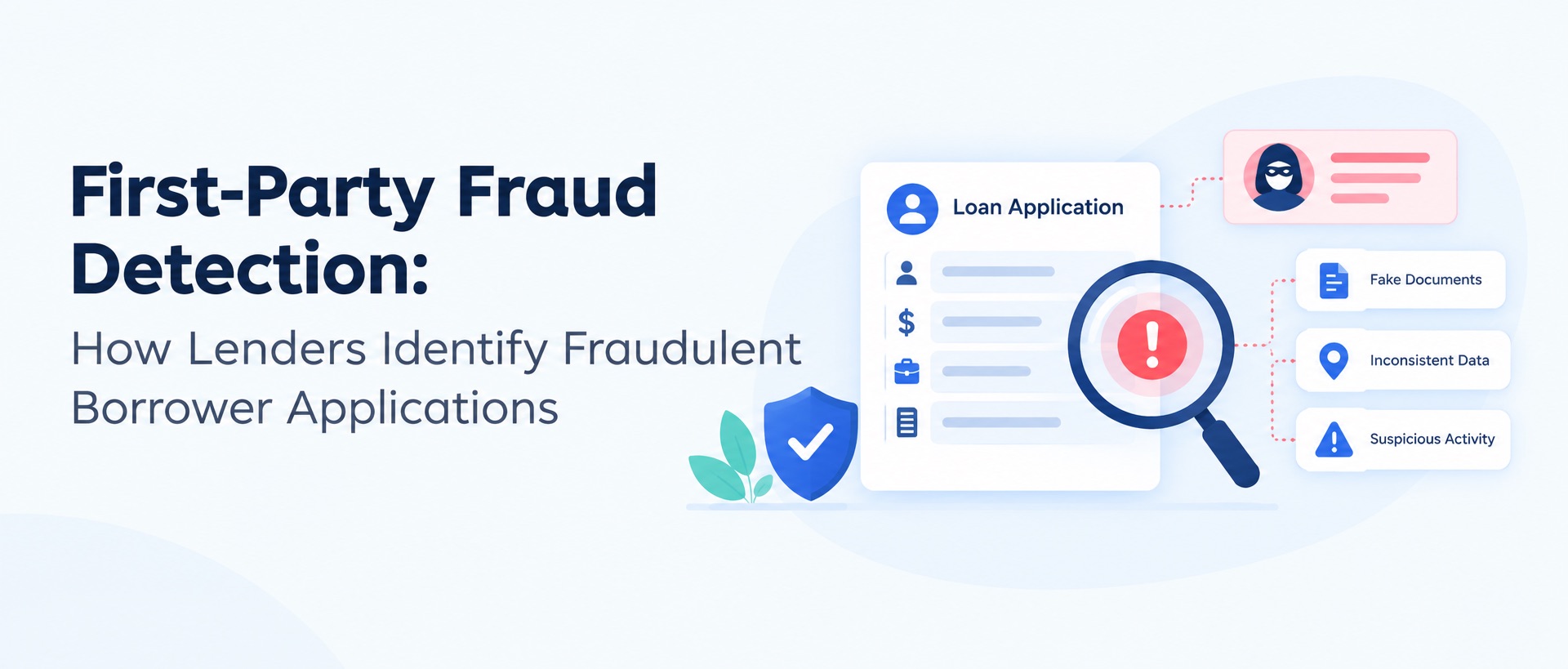
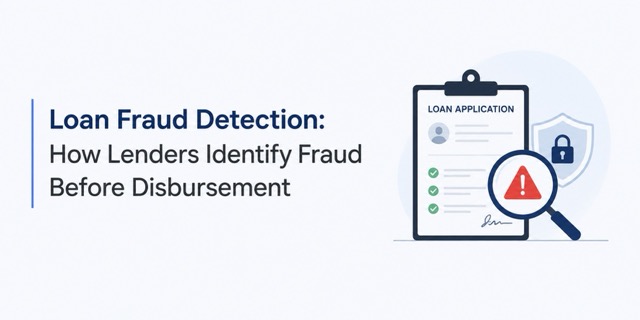
Fraud detection can use application information alongside identity, device, financial, and historical signals. For example, an application with unusual device activity, inconsistent identity information, repeated applications, and conflicting financial data may be routed for additional review.
The important part is the action following the signal. A fraud model can identify risk; the lender still needs a defined policy for whether that means verification, manual review, or another action.
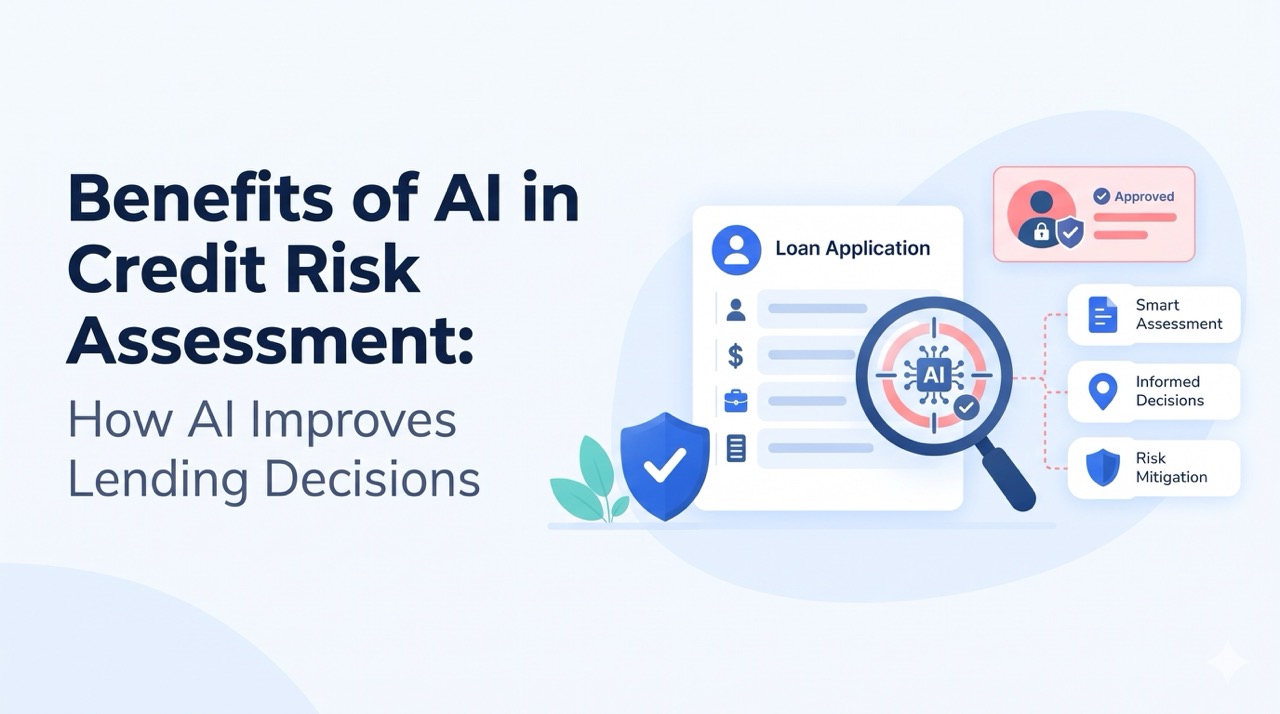
AI Can Contribute to Credit Risk Assessment
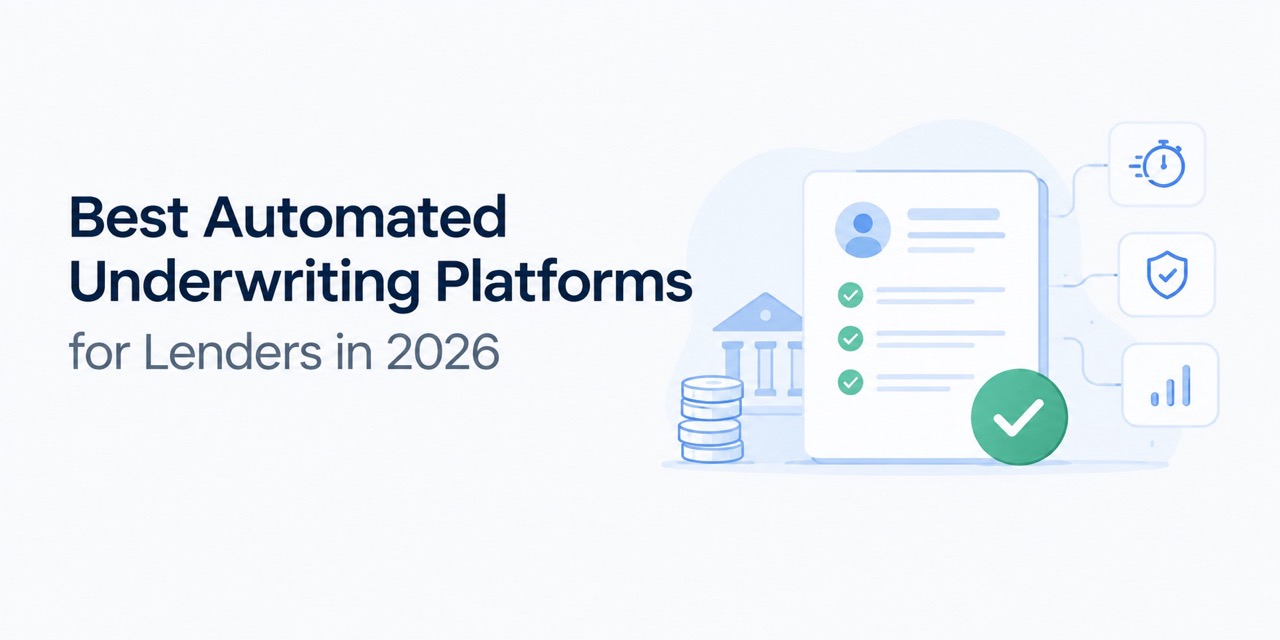
Machine-learning models can estimate the probability of repayment or identify risk patterns that may not be captured by traditional scorecards. That output can feed the underwriting process.
It does not, by itself, determine the lender's final decision. The lender may still apply minimum income, DTI, exposure, product, or approval-authority requirements.
AI Can Support Underwriters
For applications that require manual review, AI can help summarize information, identify discrepancies, or surface relevant signals.
That is a more realistic use of AI in lending than assuming every application should receive an automated approval.
Also Read: Leading Providers of Underwriting Workflow Optimization Solutions
How Nected Adds Configurable Decisioning to Digital Loan Origination?
Connecting the systems and applying AI to individual stages solves much of the operational work, but the lender still needs to decide what those results mean under its credit policy.
For example, consider an application with:
Credit score: 720
Verified income: ₹90,000/month
DTI: 34%
Fraud result: Clear
Existing exposure: Within limit
Requested amount: ₹15 lakh
Automated approval limit: ₹10 lakh
The application may meet the lender's credit criteria, but it cannot be automatically approved because the requested amount exceeds the delegated approval limit. That is a policy decision, not simply a workflow step.
A lender may also have rules such as:
If requested amount > automated approval limit → route to senior credit approval.
Or:
If DTI > 40% → refer for manual underwriting.
If income verification fails → request additional income evidence.
These conditions can change as lending policies, products, and approval authorities change. This is where Nected will play an important role along with the existing lending stack.
Nected provides an easily configurable decisioning layer that takes into consideration the application data, business rules, third-party data, and AI-based decisions. The output from this process would define if the application is approved, denied, requires more checks, or needs to go to a credit reviewer.
Application data → Risk and policy inputs → Nected rules → Approval / Rejection / Manual Review
This allows lenders to keep the core loan origination system responsible for the broader application process while managing changing decision conditions separately.
Also Read: Best AI Lending Solutions in Fintech for Smarter Loan Decisions
Digital Loan Origination vs. Traditional Loan Processing: What Actually Changes?
The useful comparison is not manual versus automated. Traditional lending can already use digital applications, automated bureau pulls, electronic documents, and automated credit checks. Digital origination is about connecting those components into a coordinated process.
The human decision does not disappear. What changes is how much work happens before a person needs to make that decision and how quickly the application moves after it. That is the operational reason digital origination can shorten loan-processing time.
Conclusion
Digital loan origination makes loan processing faster by connecting the activities between application and funding. Verification, credit checks, fraud screening, underwriting, approval conditions, documentation, and disbursement can move through a coordinated workflow instead of relying on manual handoffs.
AI can facilitate each step, such as document extraction, fraud detection, credit risk scoring, and underwriting support. However, all these functionalities will have to conform to the lending guidelines of the lender.
Nected can add value by offering a configurable decision engine layer on top of this architecture to enable the determination of next steps once these inputs are collected. This allows lenders to automate repeatable decisions while routing exceptions to the appropriate human reviewer.
The goal is not to remove human judgment from lending. It is to reduce the manual coordination around that judgment and move each application through the right path more efficiently.
Frequently Asked Questions
What is digital loan origination?
Digital loan origination is the process of managing a loan application electronically from submission through verification, credit assessment, approval, documentation, and disbursement.
How does digital loan origination speed up lending?
It links the application intake process to verification, credit screening, decision-making, and approval to ensure that there is no need for people to manually link each step together.
Does digital loan origination eliminate manual underwriting?
No, because standard applications are handled through automatic processes, while those falling outside preset criteria will be directed to underwriters or credit specialists.
What systems does digital loan origination need to integrate with?
It will be based on the kind of lending product that is being offered, which may include such systems as integration with LOS, credit bureaus, income verification, banking data feeds, fraud detection, document management, payments, and core banking systems.
What decisions can be automated during loan origination?
Typical decisions include eligibility, product selection, approval levels, referrals, affordability, documentation, and exceptions.
Is digital loan origination suitable for all lenders?
It is most useful for lenders handling repeatable application volumes and standardized verification and credit processes. Highly bespoke lending may still require substantial manual assessment.
What is the role of decision logic in digital loan origination?
Decision Logic is that which defines the action taken once there are application data and verification data. For instance, whether the application is approved, referred, disapproved, or goes through another round of verification.
How can Nected support digital loan origination?
Nected can act as a configurable decisioning layer within a digital loan origination workflow. It can evaluate application and risk inputs against lender-defined rules and route applications to approval, rejection, additional verification, or manual review.


.svg.webp)

.webp)
.webp)