.svg)

.svg)


.png)
.webp)
Making insurance companies more modern is one of insurers' main concerns; however, replacing core systems takes much longer than a modernization strategy suggests. Many policy administration systems, claims management systems, billing systems, and underwriting software support crucial business processes that cannot simply be turned off and replaced.
On the other hand, insurers must introduce new products faster, adapt to regulatory changes, improve the digital experience, and change their operational processes without disrupting existing systems. Achieving all of these tasks is one of the major challenges of insurers' IT departments.
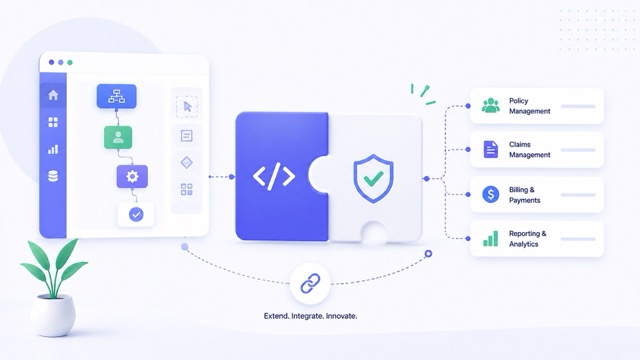
Low-code platforms can provide a solution for this challenge. Rather than replacing core insurance applications, they enable insurers to build new operational workflows, customer experiences, and internal applications around existing systems, allowing modernization to happen incrementally while preserving investments in core infrastructure.
Why Modernizing Insurance Operations Still Takes Longer Than It Should
Insurance modernization is rarely delayed because technology is unavailable. It is delayed because operational processes are deeply connected to systems that have evolved over many years.
A single product launch, underwriting change, or regulatory update often affects multiple applications across policy administration, claims, billing, customer portals, document management, and partner systems. Even relatively small operational changes may require coordinated development, testing, and deployment across several teams before they reach production.
The difficulty is magnified for those insurers running more than one line of business since motor, health, property, commercial, and specialist insurance can each require their own workflow, authorization, and technology architecture. Implementation of a new customer journey or a change to an underwriting process often means system changes in areas that have never been designed to change together.
Legacy systems further complicate the problem since many core insurance applications are reliable at their core functions, meaning that replacing the entire application isn’t economically feasible. Yet conventionally enhancing those systems can be cumbersome, especially if internal IT has to deal with the application’s current maintenance alongside its modernization.
A widening mismatch between product requirements and delivery time frame arises from this situation where product management seeks to move fast to seize market opportunities, operations wants processes that are adaptable to changing needs, and compliance management seeks to have regulation changes implemented promptly. Conventional development can no longer keep up with these demands.
Thus, insurance modernization is not just a matter of replacing systems but figuring out how to make improvements to insurance operations while still having the core systems perform the functions they are already doing well.
Also Read: Insurance Policy Issuance Software
Where Low-Code Fits Across the Insurance Value Chain?
Low-code is not designed to replace policy administration, claims, or billing solutions. The strength of the solution is its ability to extend these systems to enable insurance companies to change their operational processes without having to re-design their technology architecture.
Below are the key areas of the insurance value chain that typically leverage low-code platforms for modernization initiatives.
- Underwriting Operations
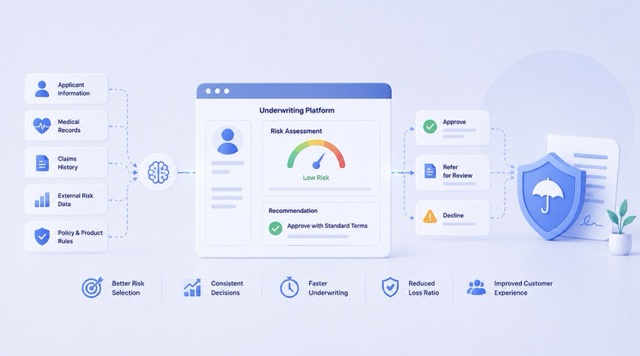
Underwriting operations tend to change frequently due to changes in products, carrier instructions, and regulations. Low-code platforms help insurance companies to create submission portals, workflow of referrals, underwriting dashboards, and other internal operational tools without changing the underwriting platform.
- Claims Operations
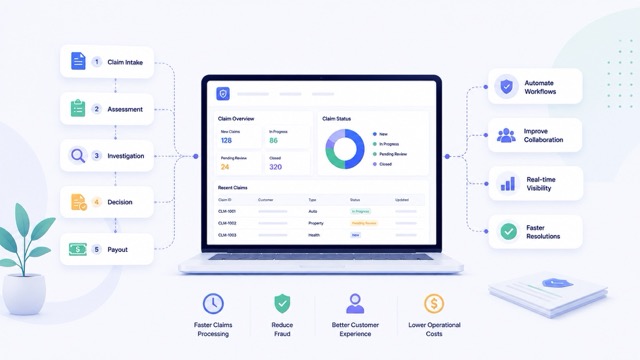
Claims are based on multiple operational tasks such as FNOL, document collection, adjuster coordination, approvals, client communications, and settlement. Low-code can help insurance companies to digitize and standardize these processes by integrating them with the current claims management solution.
- Policy Administration Extensibility
Policy administration systems are still the system of record, but insurance companies may need more operational capabilities besides them. Low-code platforms enable the company to build servicing portals, endorsement workflows, renewal processes, and an agent portal.
- Customer and Agent Experiences
Launching new digital experiences shouldn't require changes to every backend system. Low-code helps insurers deliver self-service portals, broker applications, quote journeys, customer onboarding, and service requests while connecting to existing policy, billing, and claims platforms through APIs.
- Internal Operations and Compliance
Operations within an insurance company go beyond front-end operations. The low-code approach can be applied for developing processes such as workflow approvals, compliance, document review processes, operational dashboards, and internal case management apps.
How Do Low-Code Platforms Help Insurers Adapt Workflows, Rules, and Customer Journeys Faster?
Insurance operations are dynamic. There are constant innovations in insurance products, underwriting guidelines, regulation, and customer expectations. Accommodating all these changes through traditional development would involve updating several systems, and this will lead to a lengthy process.
Low code allows insurers to adopt change faster through operational change rather than core system change. Through low code, insurers do not have to make changes to their core systems like policy administration and claims management systems to meet new business needs.
The following capabilities explain how low-code enables faster operational change across insurance organizations.
- Faster Workflow Changes
Insurance workflows rarely remain static. The approval flows, claim handling flows, underwriting referral flows, and servicing flows all become more complex based on the needs of the business. Using low-code makes it possible to adapt those workflow flows quickly without needing significant re-engineering.
- Configurable Business Rules
Several processes within the insurance company are dependent on the ability to alter business rules rather than application features. Things like product eligibility criteria, thresholds, documents needed for approvals, and servicing rules could be more flexible.
- Flexible Customer Journeys
The customer journeys continue to evolve within the digital channel. From designing a new quote process, onboarding process, claims notification process to policy servicing process; using low-code will enable insurers to change the customer journey without redesigning their insurance core platform.
- Integration of Different Systems
Today's insurance companies use a combination of systems to manage operations. Low-code makes it easy to integrate different systems such as the policy administration system, claims platform, billing application, document repository, CRM system, and even third-party data providers.
Also Read: Top 5 Insurance Automation Software List
Why Low-Code Alone Isn't Enough for Insurance Decision-Making?
Low-code technologies enable building applications, automating workflows, and delivering digital experiences. But insurance operations cannot be reduced to mere workflows. Each policy, each claim, each quote, each endorsement, each renewal requires decisions that are constantly changing due to the evolution of insurance products, regulation, underwriting strategies, etc.
Workflow will route a submission to an underwriter and/or to an adjuster, but it will not specify whether it needs to do so and when. It is business decisions about product eligibility, underwriting authority, claim approval limits, signs of fraud, pricing policies, regulatory compliance, and many other factors that dictate workflow execution and routing.
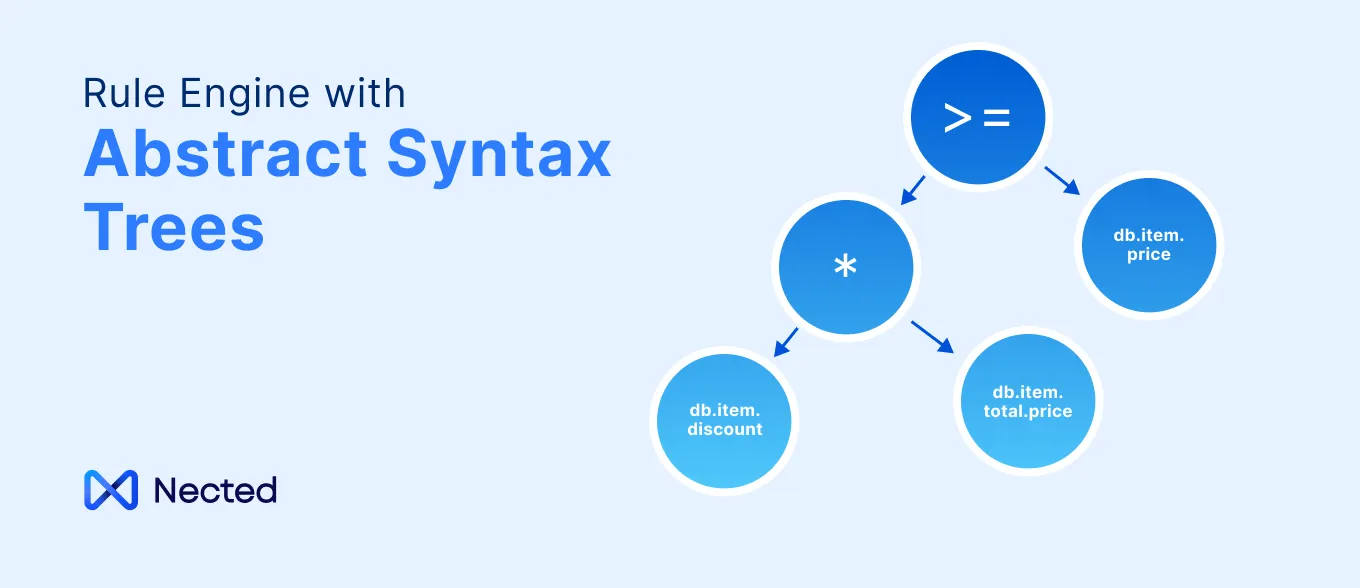
And those rules change quite frequently compared to the applications themselves. Incorporation of business rules into the workflow or application itself makes their implementation time-consuming and difficult to manage, since business rules often change much faster than applications themselves.
That is why the separation of operational decisions from workflow execution became one of the major trends in the insurance industry. Insurance companies move their business policies out of individual applications to manage them separately from workflow execution and core insurance applications.
Nected supports this approach through a decision orchestration layer that enables insurers to manage business rules, workflows, AI models, and external data independently of their low-code applications and core insurance platforms. Rather than replacing existing systems, it helps insurers adapt operational decisions more quickly while maintaining consistency across underwriting, claims, policy servicing, and customer journeys.
Conclusion
Modernizing insurance operations no longer requires replacing the systems that already manage policy administration, claims, or billing. Insurers are now adding low-code apps onto these platforms that will enhance the workflow, customer experience, and agility, and at the same time ensure the continuity of previous technology investments.
Modernization is not just about developing applications quickly. The insurance process keeps changing in light of changes in insurance products, regulations, carrier needs, and customer expectations. It calls for the capability to flexibly manage the operations processes as well as to make changes in business rules without interfering with core operations.
Fast development of applications can be made possible by low-code, while the configurability of the decision logic makes sure that the operational policies within these applications can be easily managed when there are changes in business.
Frequently Asked Questions
What is low-code in insurance?
Low-code enables insurers to build operational applications, customer portals, workflows, and internal tools with less manual coding. Rather than replacing core insurance systems, it is commonly used to extend their capabilities and accelerate operational change.
Can low-code replace core insurance systems?
No. Core systems continue to manage critical functions such as policy administration, claims processing, and billing. Low-code complements these platforms by enabling insurers to build new operational capabilities and customer experiences around them.
Where is low-code most commonly used in insurance?
Insurers commonly use low-code for underwriting workflows, claims operations, policy servicing, broker and customer portals, document management, approval processes, compliance workflows, and internal operational applications that integrate with existing core systems.
Why do insurers use low-code instead of traditional development?
A low-code solution decreases the time needed to develop and adapt the operational applications. It provides an ability for insurers to respond to the changing business needs, regulations, and client expectations without making significant changes in their underlying technology architecture.
Does workflow automation provide sufficient support to modernize insurance?
No. Workflow automation automates operational processes, but insurance operations involve business decisions like determination of underwriting eligibility, pricing strategies, approval limits, claims routing, and regulatory compliance. Making them separately controllable makes the implementation and governance of operational changes much easier.
What should insurers consider while selecting a low-code platform?
In addition to the capabilities of developing applications, insurers must pay attention to the integration with insurance core systems, the ability to have configurable workflows and secure API integrations, and the ability to work with a decision management solution, which will allow making business rules changes without making significant developments.


.svg.webp)




.webp)

.webp)
%2520(3).webp)
.webp)