.svg)

.svg)


.png)
.webp)
Claims are the most conspicuous type of interaction between insurers and customers. If underwriting helps determine the terms of issuance of insurance policies, the claims process plays a critical role in shaping customers’ perception of the value provided by their insurance coverage.
In today’s world, claims management is not just about documenting the loss and making a payment for it. Every claim requires an insurer to verify policy coverage, validate the documentation, estimate damages, screen for fraud, make approvals, and resolve the claims. The aforementioned processes depend on the flow of information in policy administration systems, claims management systems, document management systems, payment systems, and data providers.
When the number of claims grows and customers' expectations change in favor of faster claims management, managing the said processes manually and with a set of disconnected applications becomes harder and harder. Digital claims management systems help insurers to coordinate the operational processes in claims management.
This article discusses why claims management modernization is critical for insurers, what makes digital claims solutions modern, and how to manage claims effectively while keeping governance and accuracy in mind.
Why Legacy Claims Processes Are Holding Insurers Back
Claims operations have become significantly more complex over the past decade. Insurers now process claims submitted through mobile applications, customer portals, brokers, repair networks, and call centers while working with growing volumes of digital documents, photographs, videos, inspection reports, and third-party data.
Many claims platforms, however, were designed around internal processing rather than connected digital workflows. Therefore, claims teams may have to switch between different platforms to check for coverage, ask for documentation, examine evidence, sanction settlements, and communicate with their clients.
This results in additional delays that go far beyond the process of claims assessment. Document gaps, approvals by hand, improper routing of claims, and duplication of data entry may hold up claims processing even if there is no complication with the coverage.
With the expansion of digitized services and the launch of new products by insurance companies, this becomes more challenging. Modernizing claims therefore requires more than digitizing claim submission; it requires improving how every operational step is coordinated from first notice of loss through final settlement.
What Defines a Modern Digital Claim Solution?
Modernizing claims isn't just about digitizing claim submission. It requires connecting every operational step, from claim intake and coverage validation to assessment, approvals, and settlement, into a single, coordinated process.
The capabilities below distinguish a modern digital claim solution from a traditional claims management system.
- Digital First Notice of Loss (FNOL)
Claims begin with collecting accurate information. The modern insurance system enables digital reporting of claims through web, mobile, broker, and customer service channels while gathering the necessary structured data for further processing.
- Claim Case Management in a Centralized Form
Claims adjusters need to have full access to information related to a policy, supporting documents, correspondence with customers, inspection reports, and claim history. All of this information being centralized saves time and effort for claim adjustment.
- Document and Evidence Management
Photos, invoices, repair estimates, medical documents, police reports, and other supporting documents serve as the base of many claims. Digital claim solutions enable the management of all the documents mentioned above during the entire process of claim handling.
- Workflow and Task Coordination
There is rarely one workflow for a claim to go through. Investigations, inspections, approvals, document requests, and settlement of a claim happen in many departments at once. Digital workflows can assist in such a complex task while keeping the claim process visible.
- Integration within Insurance Systems
The claims process requires cooperation with policy administration systems, payments systems, fraud detection solutions, correspondence solutions, document management systems, and external data sources.
The Building Blocks of an End-to-End Digital Claims Process
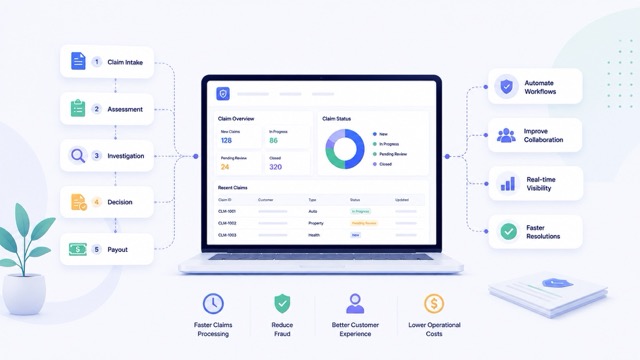
A digital claims process is more than replacing paper forms with online submissions. It links all operational activities associated with claims evaluation, management, and resolution in such a way that ensures data consistency and communication between all teams and systems. Although claim workflows vary depending on insurance companies and their products, almost all digitized claims processes have a common operational pattern.
Before considering where digital claims solutions add value to a business, it is vital to identify the phases that define a claims journey.
- First Notice of Loss (FNOL)
The claims process starts when the policyholder makes an application regarding the reported loss. Digital claims solutions collect all necessary data through web portals, mobile apps, brokers, or contact centers for the purpose of initiating the claims evaluation process. The structured claims intake eliminates all risks of missing applications and subsequent requests for missing information.
- Coverage Validation
Before further assessment, insurers confirm if the reported incident falls under the terms of the insurance policy. In this stage, insurers consider policy status, coverage, deductibles, endorsements, waiting periods, and other policy terms and conditions.
- Documentation and Evidence Gathering
All claims require documentation for proper assessment. Based on the type of claim, insurers collect photos, invoices, repair estimates, medical records, police reports, inspection results, or other related documentation. The digital management of this information saves time on further follow-ups.
- Claim Assessment and Investigation
The assessment team evaluates the reported incident in view of policy information and documentation. In some cases, further inspections, expert examinations, or even fraud investigations take place before the decision to settle the claim is made.
- Settlement and Claim Closure
Once the claim has been assessed and approved, insurers calculate the settlement amount, authorize payment, notify the policyholder, and close the claim. Maintaining a structured workflow throughout this stage helps ensure settlements are processed accurately while preserving a complete audit trail.
Where Digital Claim Solutions Deliver the Biggest Business Impact
The value of a digital claim solution isn't measured by how quickly a claim is submitted. It's measured by how efficiently insurers can move claims from notification to settlement while reducing operational delays and maintaining consistent claim handling.
The biggest improvements are typically seen in operational areas where manual coordination slows claim processing. The following examples highlight where digital claim solutions deliver the greatest business impact.
- Reduced Claims Cycle Times
Claims usually stay open due to delays in document processing, approvals, inspections, and policy verification. Digital solutions coordinate all these activities better and help insurers to minimize delays between claim filing and resolution.
- Greater Visibility into All the Stages of Claims Handling
Claims require involvement of different parties such as adjusters, inspectors, repairers, surveyors, customer service representatives, and others. Digital claims solutions allow insurers to monitor the status of the claim, tasks, and processing stage.
- Faster Exception Handling
Not every claim follows a standard workflow. Missing documents, coverage disputes, suspected fraud, or valuable loss need extra scrutiny. Digital claim management systems can assist in identifying these exceptions early on and taking the process forward through review without impacting the normal claim process flow.
- Enhanced Customer Communication
Customers have expectations for updates once they have lodged their claims. The digital platform allows the insurer to update claim status, ask for documentation, inform the customer about decisions, and make communication regarding the settlement process easier.
- Operational Procedures Consistency
As the number of claims grows, it gets harder to maintain consistency. This is when standardization comes into action by making sure that all similar claims pass consistent operational procedures.
Also Read: Top Insurance Underwriting Software
What to Look for When Evaluating a Digital Claim Solution
Automating the process is not the only thing to consider when choosing a digital claims solution. It must be able to accommodate complexities of the claims management process and adjust to new product developments and regulations.
The features below will help assess digital claims solutions.
- Support for the Full Workflow of the Claims Process
Choose platforms that support the complete life cycle of the claims process from FNOL and document submission to investigation, settlement, and closure of the claims.
- Integration with Core Insurance Systems
Platforms must interact with the policy administration system, payments system, CRM, document management systems, fraud detection systems, and data providers to avoid redundant actions and maintain consistency of claims information.
- Workflow Configuration
There are different types of claims with different processes. A platform should be flexible enough to configure claims processing, task assignment, and approvals for various claims without major redevelopment efforts.
- Operational Visibility
Claims managers should have the ability to monitor the process, find processing delays, manage exceptions, and track operational efficiency.
- Auditability and Compliance
All decisions related to claims should be traceable. The platform should keep records of all actions, approvals, documents, and decisions related to settlements.
Why Claims Automation Needs Intelligent Decisioning
Automating a claims workflow doesn't automatically improve claim handling. A claim still passes through multiple business decisions before it can move from notification to settlement.
The requirement of extra documents, eligibility for straight-through processing, need for fraud check, going beyond the settlement thresholds, or managerial approval of the claims are determined not by the flow but by the business logic.
As the insurers develop new products and new requirements for regulations and settlements, the decision rules are updated constantly. If they are implemented across multiple systems or performed manually, even well-thought-out digital solutions may result in delays in the claim processing and inconsistency of its outcome.
That is the reason why insurers use decision orchestration along with claims automation.
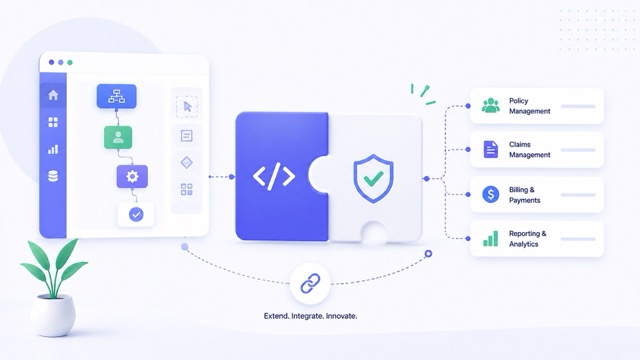
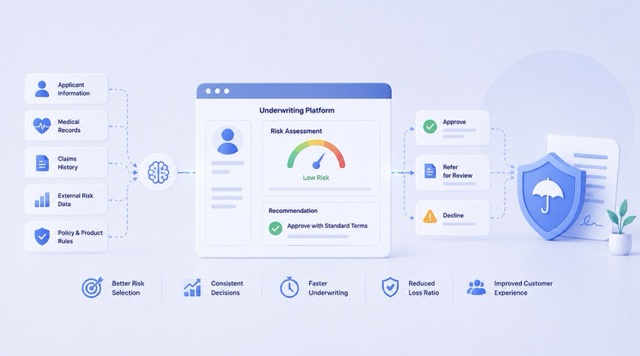
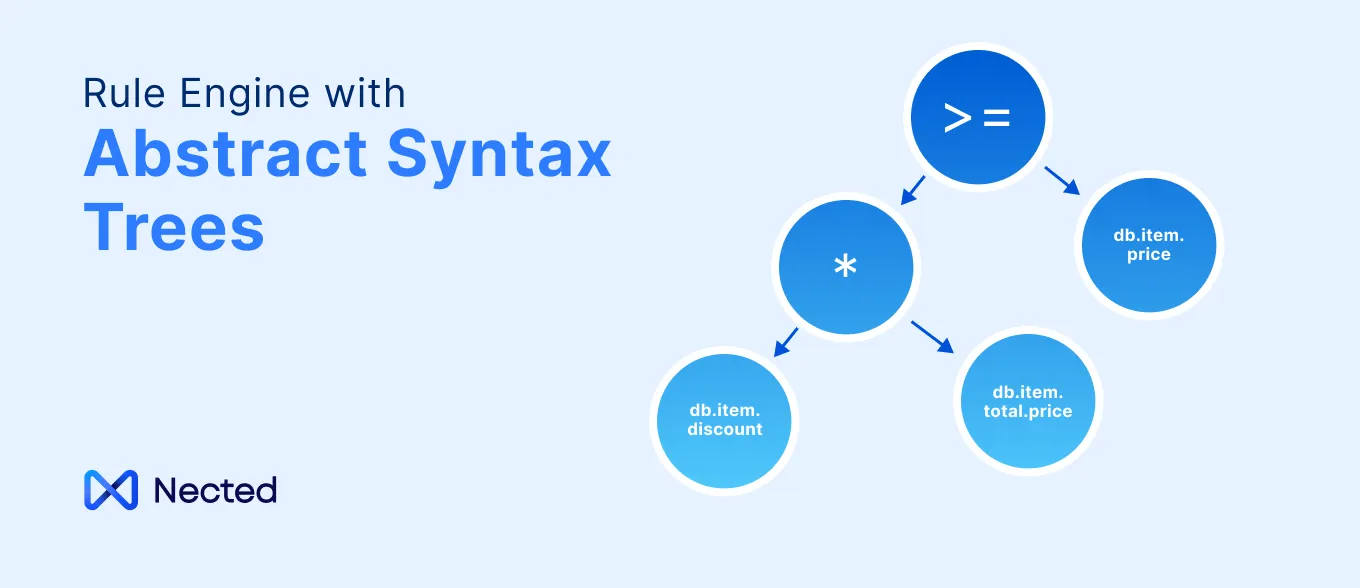
Rather than implementing the business logic into separate applications, decision orchestration provides a centralized way to implement the rules concerning the process of claim management. The validation of eligibility, the document requirements, fraud referral, the thresholds for approval, settlement conditions, and exceptions can be controlled consistently and at the same time integrated with the existing claims applications.
Nected helps insurers orchestrate decisions based on configurable business rules, workflows, AI algorithms, and external data within one decision layer.
Also Read: What is Underwriting?
Conclusion
Claims modernization is no longer limited to digitizing claim submissions or reducing paperwork. It requires insurers to improve how claims move through validation, assessment, investigation, approvals, and settlement while maintaining consistency across every stage of the process.
Claim solutions based on digital technologies form the operational basis to manage those processes as they link people, systems, and processes across the claims process cycle. With growing numbers of claims and complex products, such visibility is important to improve efficiency and reduce customer experience problems.
Nevertheless, the efficient claims process also relies on the way operational decisions. The decision to route the claim for further investigation, request additional documents, approve settlements, and escalate exceptions should all be made based on business rules that should adjust to changes in the product, regulation, and risk strategy.
The combination of digital claims technology with decision management technology makes it possible to make claims operations modern while keeping its consistent nature.
Frequently Asked Questions
What is a digital claim solution?
A digital claim solution is a platform that helps insurers manage the end-to-end claims process digitally. It supports activities such as claim intake, coverage validation, document management, claim assessment, workflow coordination, settlement, and customer communication.
What is the difference between a digital claim solution and claims management software?
Claims management software primarily handles capturing and managing the data related to claims. Digital claims solutions take this further and offer an integrated approach towards submission, workflow, documentation, integration, and operations relating to the entire claims life cycle.
What can be the benefits of having digital claims solutions for insurers?
These solutions offer many benefits for insurers such as saving time while processing claims, improving visibility, creating standardized workflows, handling exceptions easily, communicating better with the clients, and coordinating claims in various systems and processes.
What should insurers consider in digital claims solutions?
They should look for features like digital First Notice of Loss, end-to-end workflow capabilities, document management, insurance platform integration, flexible workflows, visibility, auditing, and exception management.
Yes. Digital claim solutions nowadays integrate with policy administration systems, payments platforms, CRMs, document management systems, fraud detection services, third-party data providers, and communication channels for customers.
Why are business rules important in digital claims processing?
Many decisions regarding claims are determined by the business rules and not the process itself. Some of the areas where these rules have been applied include coverage validation, document requirements, fraud referral, approval threshold, condition for settlement, and exception handling. Isolating the rules from the rest of the application will help insurers adjust faster.


.svg.webp)




.webp)


.webp)
%2520(3).webp)

.webp)