.svg)

.svg)


.png)
.webp)
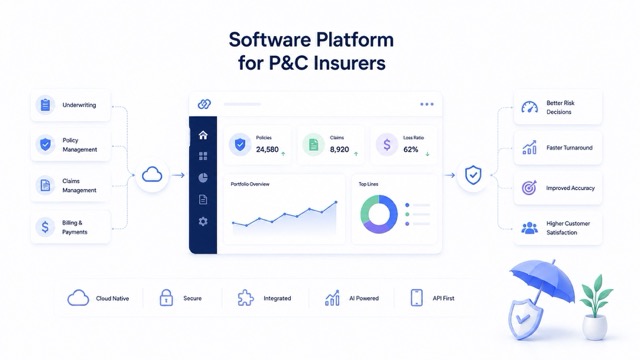
Property and casualty insurers operate across multiple systems every day. Policy administration, underwriting, claims, billing, customer servicing, and compliance often run on different platforms, making it difficult to maintain consistent operations as products, regulations, and customer expectations evolve.
Selecting a P&C insurance platform is no longer just about replacing legacy policy administration software. Insurers now evaluate how well a platform supports product configuration, underwriting, claims management, integrations, and decision-making across the policy lifecycle.
This article compares five software platforms used by P&C insurers based on the operational challenges they solve, the capabilities they provide, and the type of insurer they're best suited for.
What Actually Defines a Modern P&C Insurance Platform
A P&C platform should support more than policy administration. It should help insurers manage the complete policy lifecycle while adapting to changing products, regulations, and operational processes.
Before comparing vendors, evaluate the following capabilities.
- Product Configuration: Launching a new insurance product shouldn't require months of development. The platform should allow insurers to configure products, coverage options, rating structures, and policy rules without extensive code changes.
- Underwriting Support: Underwriting rules evolve regularly. Look for platforms that support configurable eligibility rules, referrals, underwriting workflows, and integrations with external risk data.
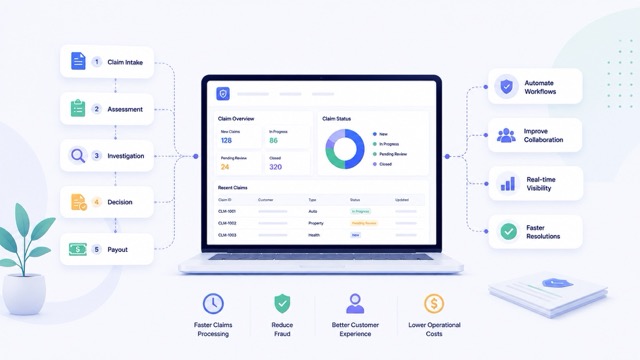
- Claims Management: Claims should move through a structured process from FNOL to settlement. The platform should support assignment, investigation, approvals, payments, and exception handling without relying on disconnected tools.
- API and Integration Capabilities: P&C insurers depend on rating engines, payment gateways, fraud detection services, document management systems, CRMs, and regulatory reporting tools. Integration should be a core capability rather than an afterthought.
- Workflow and Decision Management: Policy issuance, endorsements, renewals, and claims involve operational decisions, not just workflows. Platforms should support configurable business rules, approval workflows, and exception handling across insurance operations.
Also Read: Top Insurance Underwriting Software
Top Software Platforms for P&C Insurers Compared
Top 5 Software Platforms for P&C Insurers
No single platform fits every P&C insurer. Some focus on core policy administration, while others specialize in product configuration or decision orchestration. The following platforms are compared based on their role in P&C operations, core capabilities, and the type of insurer they're best suited for.
Guidewire: Best for Enterprise P&C Core Operations
Large P&C insurers often operate separate systems for policy administration, billing, claims, and underwriting. As products and business lines grow, managing these functions independently increases operational complexity and slows modernization.
Guidewire brings these core operations together on a single platform, helping insurers standardize policy administration, claims, billing, and underwriting across personal, commercial, and specialty insurance products.
Key capabilities:
- Unified policy, billing, and claims management: Manage the entire policy lifecycle on one platform instead of maintaining separate systems for different operational functions.
- Flexible product configuration: Configure products, coverage options, endorsements, deductibles, and rating structures without rebuilding the application.
- Integrated underwriting: Keep underwriting workflows connected to policy administration to simplify referrals, policy issuance, and servicing.
- Open integrations: Connect with payment gateways, fraud detection tools, CRM platforms, document management systems, and other third-party services through APIs.
Best suited for: Large insurers replacing legacy core systems.
Consider before choosing: Enterprise implementations typically require significant planning, migration, and integration.
Duck Creek: Best for Product Configuration
P&C insurers frequently update products, pricing, and policy rules to meet changing market and regulatory requirements. When these changes depend on development teams, product launches become slower and more expensive.
Duck Creek focuses on product flexibility by allowing insurers to configure policy products, underwriting rules, and rating logic with minimal custom development.
Key capabilities:
- Low-code product management: Update products, coverage options, eligibility rules, and endorsements without extensive coding.
- Policy lifecycle management: Support quoting, policy issuance, renewals, endorsements, and cancellations within a single platform.
- Integrated rating engine: Manage premium calculations and pricing logic alongside policy administration.
- API-first architecture: Integrate with customer portals, payment providers, document management systems, and external insurance services.
Best suited for: Insurers that frequently launch or update insurance products.
Consider before choosing: Complex underwriting decisions may require an additional decision management platform.
OneShield: Best for Multi-Line P&C Insurers
Managing personal, commercial, and specialty insurance on separate platforms creates operational silos and duplicated processes. OneShield helps insurers manage multiple lines of business through a single core insurance platform.
By combining policy administration, underwriting, rating, billing, and claims, insurers can standardize operations while supporting different insurance products.
Key capabilities:
- Multi-line policy administration: Manage personal, commercial, and specialty insurance products through one platform.
- Integrated underwriting and rating: Keep pricing, underwriting, and policy issuance aligned throughout the policy lifecycle.
- Claims and billing management: Handle policy servicing, claims, and billing without switching between multiple systems.
- Configurable products and integrations: Configure insurance products and connect with external platforms through APIs.
Best suited for: Mid-sized and enterprise insurers managing multiple product lines.
Consider before choosing: Evaluate its integration capabilities if your organization relies heavily on specialized third-party systems.
Sapiens: Best for End-to-End P&C Insurance Management
Many insurers modernize policy administration, claims, and billing separately, creating another layer of disconnected systems. Sapiens takes a broader approach by providing an integrated suite that supports multiple insurance functions from a single platform.
Instead of managing separate applications for underwriting, claims, billing, and customer engagement, insurers can standardize operations while modernizing at their own pace.
Key capabilities:
- End-to-end insurance operations: Manage policy administration, underwriting, claims, billing, and customer servicing within one platform.
- Digital customer and agent experiences: Support self-service portals, digital policy servicing, and omnichannel engagement for policyholders and intermediaries.
- Product configuration: Configure insurance products, underwriting rules, and policy workflows to support multiple P&C lines.
- Integration-ready architecture: Connect with third-party systems, regulatory services, payment platforms, and external data providers through APIs.
Best suited for: Enterprise P&C insurers looking to modernize multiple operational functions through a unified platform.
Consider before choosing: Assess implementation scope and product fit carefully, especially if you plan to modernize in phases rather than replacing all core systems at once.
Nected: Best for Decision Orchestration Across P&C Operations
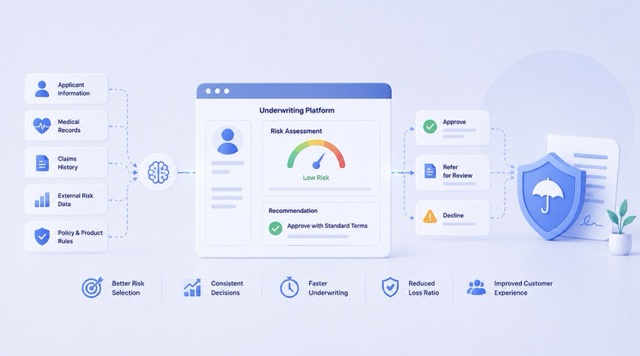
Core insurance platforms manage policies, claims, and billing, but many operational decisions still rely on hardcoded business logic or manual reviews. This makes it difficult to update underwriting policies, approval rules, or claims workflows as business requirements change.
Nected adds a configurable decision layer that works alongside existing P&C systems. Instead of embedding business rules across multiple applications, insurers can centralize decision logic and apply it consistently across underwriting, claims, renewals, and policy servicing.
Key capabilities:
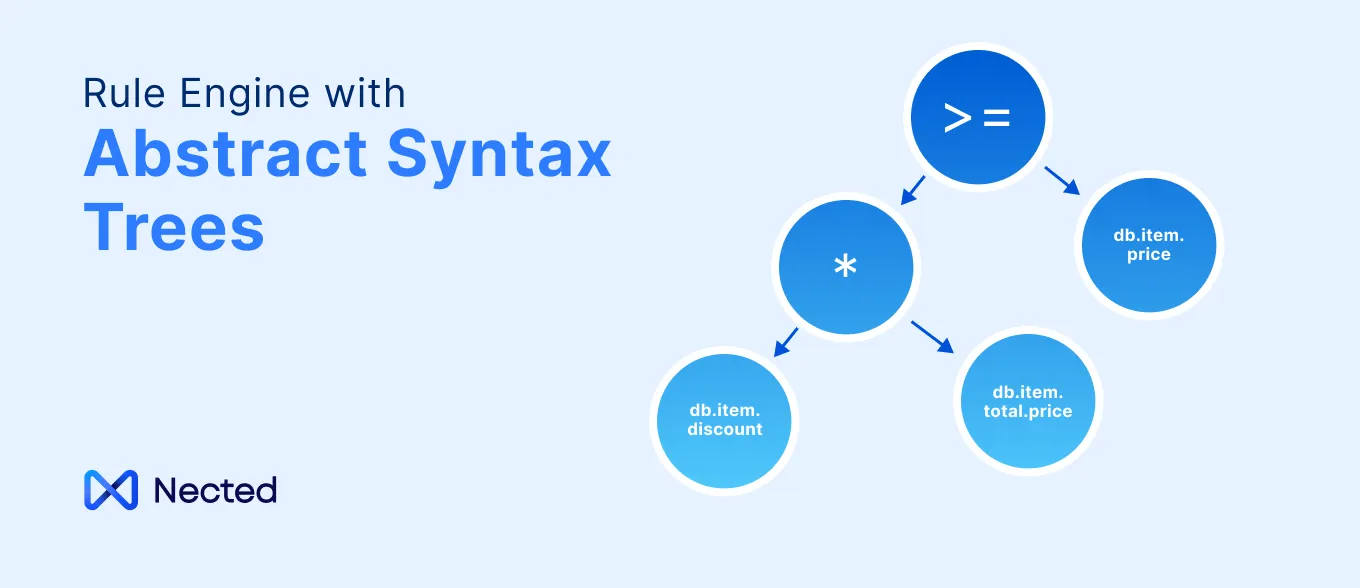
- Business rules management: Configure underwriting rules, eligibility criteria, approval policies, and claims decisions without modifying application code.
- Decision orchestration: Combine business rules, AI models, external data, and workflows to automate operational decisions across insurance processes.
- Approval and exception workflows: Route referrals, high-value claims, or underwriting exceptions to the right reviewers based on predefined business rules.
- API-first integration: Integrate with policy administration systems, claims platforms, fraud detection tools, CRMs, and other third-party services without replacing existing infrastructure.
Best suited for: P&C insurers looking to modernize underwriting and claims decisions without replacing their core insurance platform.
Consider before choosing: Nected complements platforms like Guidewire, Duck Creek, OneShield, and Sapiens by managing decision logic rather than core policy administration or claims processing.
Also Read: AI Powered Credit Scoring for Banks
Which Platform Aligns with Your P&C Operating Model?
The right platform depends less on company size and more on how your insurance operations are structured. Before selecting a solution, evaluate where operational complexity exists across your policy lifecycle.
- Product Management: If new products, endorsements, or pricing changes are introduced frequently, prioritize platforms with strong product configuration capabilities that reduce dependency on development teams.
- Underwriting Complexity: Insurers managing multiple referral rules, delegated authorities, or product-specific underwriting guidelines should look for platforms that support configurable underwriting rather than hardcoded decision logic.
- Claims Operations: Evaluate how the platform supports FNOL, investigation, settlement, fraud reviews, recoveries, and exception handling. Claims management should extend beyond case tracking to include configurable operational workflows.
- Integration Requirements: Most insurers rely on external services for payments, document management, fraud detection, CRM, customer communication, and regulatory reporting. Integration capabilities should be evaluated alongside core insurance functionality.
- Decision Management: Policy issuance, underwriting, endorsements, renewals, and claims all depend on business rules. If operational decisions are still embedded across multiple applications, consider platforms that separate decision logic from core insurance systems.
Core Systems Alone Won't Modernize P&C Operations
Core insurance platforms manage policies, claims, and billing, but they don't centralize the business rules behind those processes. Underwriting approvals, claims routing, fraud checks, and policy exceptions often remain hardcoded or managed across multiple systems.
A decision orchestration platform like Nected centralizes this logic, allowing insurers to configure business rules, automate routine decisions, and route exceptions without changing their core insurance platform. This makes it easier to adapt underwriting policies, claims workflows, and approval rules as business and regulatory requirements evolve.
For P&C insurers, combining a core insurance platform with decision orchestration delivers greater operational flexibility than relying on core systems alone.
Conclusion
Selecting a P&C insurance platform is no longer just a technology decision—it shapes how insurers launch products, manage underwriting, process claims, and adapt to changing business requirements.
Guidewire, Duck Creek, OneShield, and Sapiens each provide strong capabilities for managing core insurance operations, but they address different operational priorities. The right choice depends on your product strategy, implementation roadmap, and the complexity of your underwriting and claims processes.
As insurers modernize their technology stack, many are also introducing decision orchestration to centralize business rules, automate routine decisions, and reduce reliance on hardcoded workflows. Together, these capabilities create a more adaptable foundation for managing P&C operations at scale.
Frequently Asked Questions
What is a P&C insurance platform?
A P&C insurance platform helps property and casualty insurers manage core operations such as policy administration, underwriting, claims, billing, product configuration, and customer servicing through a unified system.
Which features should insurers prioritize when selecting a P&C platform?
Evaluate product configuration, underwriting support, claims management, API integrations, scalability, configurable business rules, and the ability to support operational changes without extensive application development.
Can a P&C platform support multiple lines of business?
Yes. Most enterprise P&C platforms support personal, commercial, and specialty insurance products while allowing insurers to configure product-specific underwriting rules, policy workflows, and rating structures.
How is decision orchestration different from workflow automation?
Workflow automation manages task execution, such as assigning claims or issuing notifications. Decision orchestration evaluates business rules, approval policies, eligibility criteria, and risk conditions to determine how an underwriting or claims process should proceed.
Do insurers need to replace their core insurance platform to modernize operations?
Not always. Many insurers modernize incrementally by integrating decision orchestration, workflow automation, and API-based services with existing policy administration systems instead of replacing their entire core insurance stack.


.svg.webp)




.webp)
.webp)
%2520(3).webp)
.webp)