.svg)

.svg)




.png)
.webp)
Credit scoring forms the basis for any decision concerning lending. It defines whether a person will be able to get a loan or not, how much money one will be able to receive, the interest rate, and how fast the process will be done. For many years, traditional credit scoring was based on payment history and information obtained from credit bureaus.
However, these methods of decision-making have become obsolete since they do not necessarily consider the recent financial behavior and capability of people to borrow money. In addition, there are many potential borrowers whose financial situation does not correspond to the model of traditional credit scoring. At the same time, customers want to know about their loan status in just a few minutes.
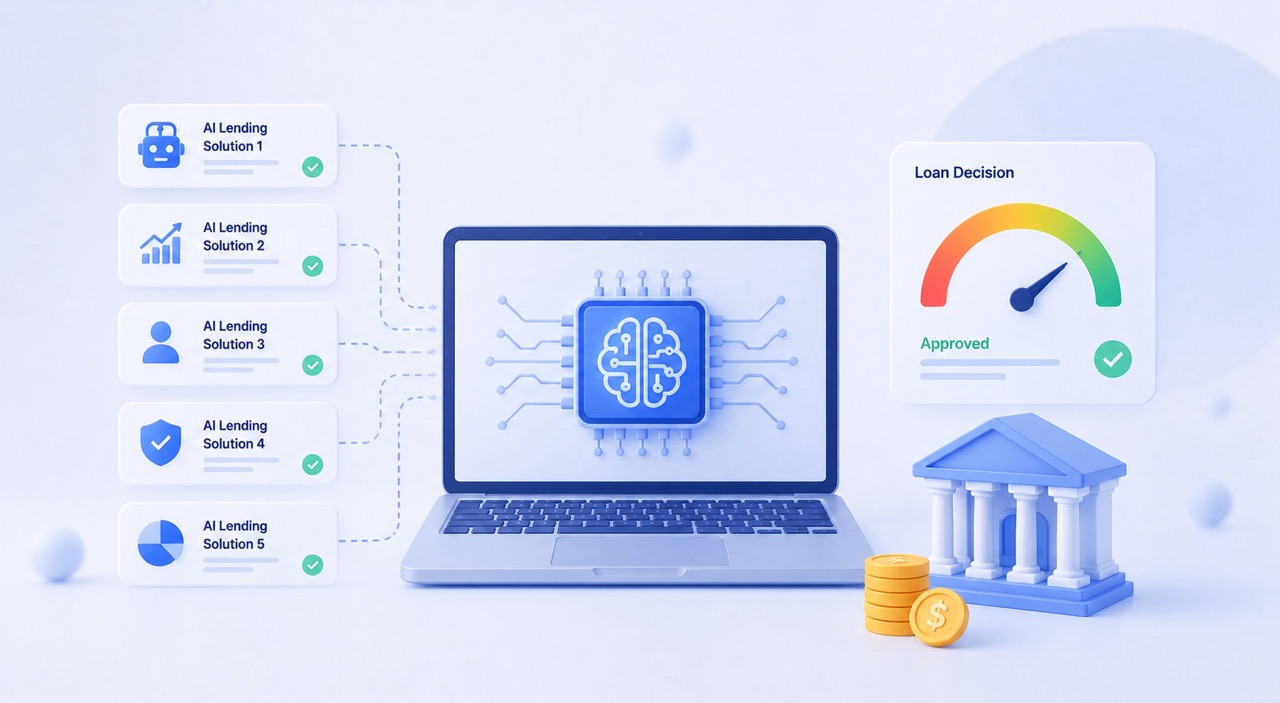
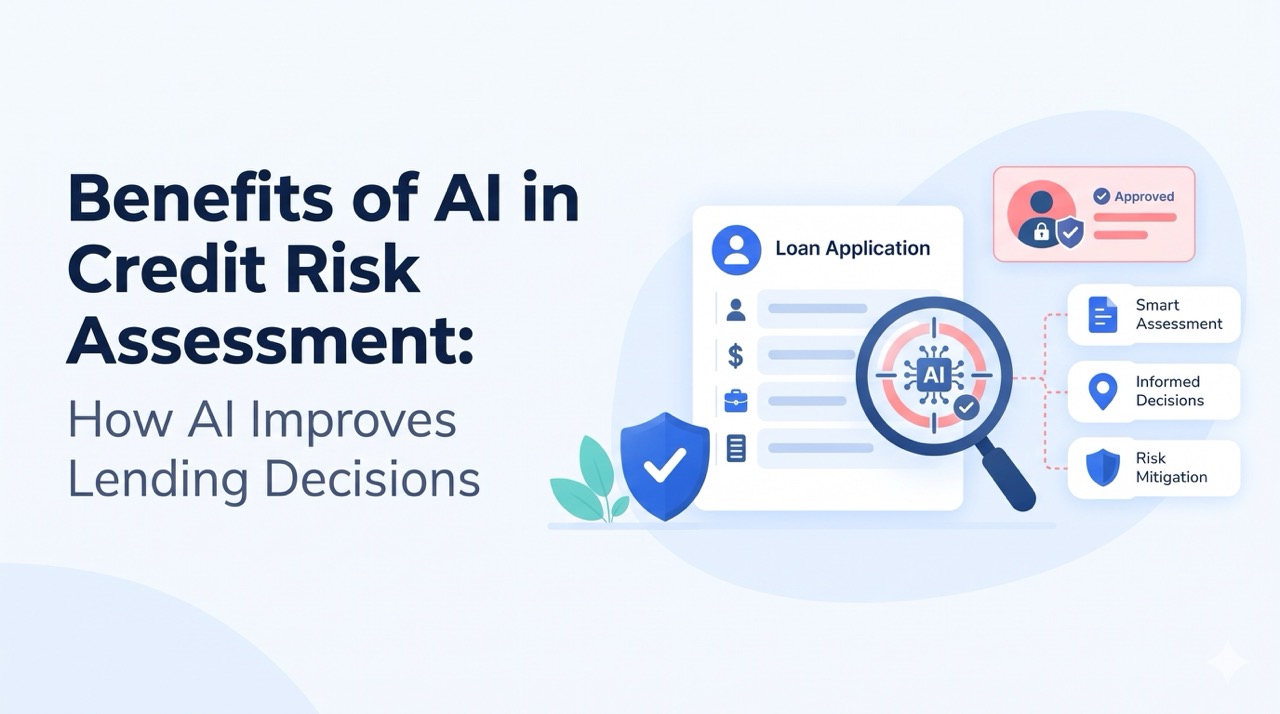
AI-based credit scoring solves both problems. By using a much wider variety of financial, transactional, and behavioral data, AI can provide a more accurate estimation of creditworthiness. It becomes possible to automate risk assessment, find out who will be able to repay the debt, lower the number of defaults, and speed up the decision-making process. Thus, AI becomes a crucial part of the lending process.
Why Traditional Credit Scoring Is Falling Short for Modern Banking
Traditional credit scoring models were designed around structured financial information such as credit bureau records, repayment history, and outstanding liabilities. Although these models remain valuable for borrowers with established credit histories, they struggle to reflect today's lending landscape.
Several limitations have become increasingly apparent.
- Limited view of borrower risk
Traditional scorecards primarily evaluate historical credit performance. They often overlook recent changes in a borrower's financial position, such as salary growth, changing cash flows, business performance, or spending behavior that may significantly influence repayment capacity.
- Difficulty evaluating new borrower segments
Many creditworthy applicants simply don't fit conventional scoring models. First-time borrowers, freelancers, gig workers, self-employed professionals, and SMEs frequently lack extensive bureau records despite demonstrating stable income and healthy financial behavior.
- Slow underwriting workflows
Traditional underwriting depends on multiple sequential verification steps, manual reviews, and disconnected systems. This increases turnaround time, particularly for retail lending products where customers expect near-instant approvals.
- Static risk models
Conventional scorecards require periodic redevelopment and validation before new economic conditions or customer behavior patterns are reflected in lending decisions. This makes them less responsive to rapidly changing market conditions.
- Limited fraud intelligence
Traditional credit scoring primarily predicts repayment risk. It is not designed to identify sophisticated fraud patterns such as synthetic identities, document manipulation, coordinated application fraud, or unusual behavioral signals that increasingly affect digital lending.
Also Read: Credit Scoring Software
How AI-Powered Credit Scoring Enables Faster and Smarter Lending Decisions
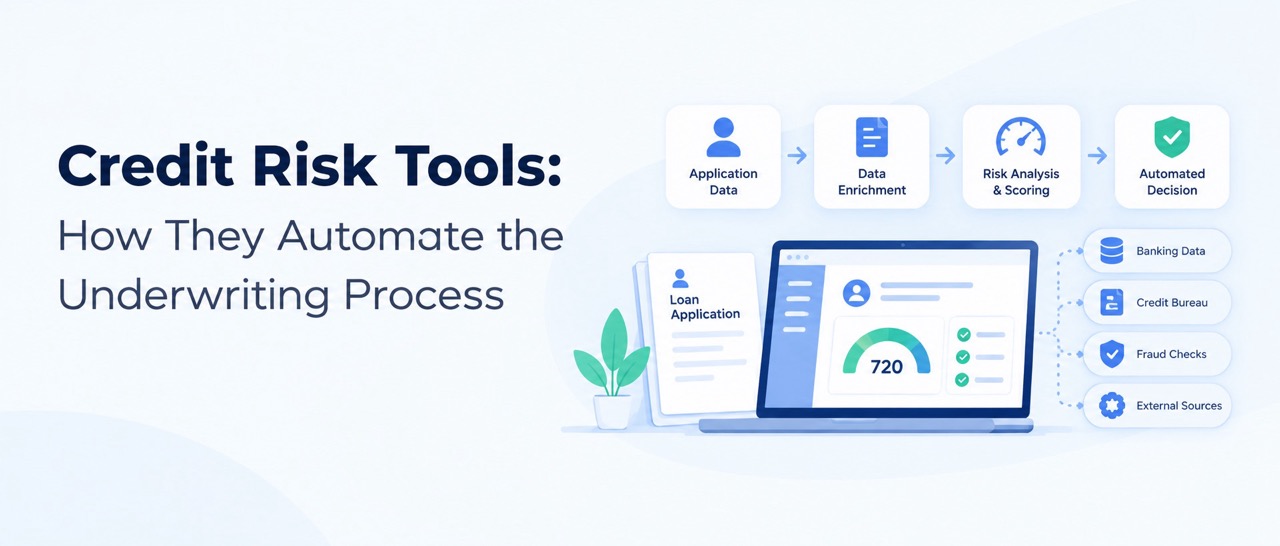
Unlike traditional credit scoring models that depend largely on historical bureau information, AI-powered credit scoring combines machine learning with multiple internal and external data sources to build a more comprehensive understanding of borrower risk.
Instead of evaluating only a predefined set of variables, AI models analyze hundreds of structured and unstructured data points simultaneously, including:
- Credit bureau information
- Account transaction history
- Income and payroll patterns
- Spending behavior
- Existing liabilities
- Employment records
- Business cash flows
- Loan repayment history
- Device and application behavior
- Fraud indicators
- Alternative financial data
By identifying relationships across these datasets, AI can uncover risk patterns that traditional scorecards often miss while continuously improving prediction accuracy as new lending data becomes available.
Where AI Fits Across the Lending Lifecycle?
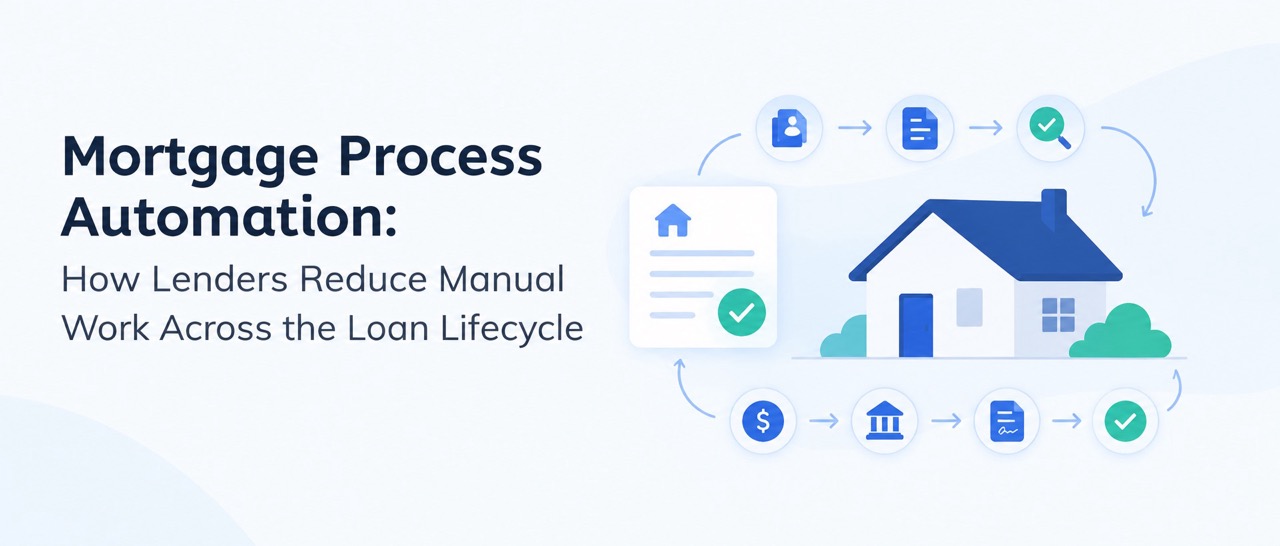
AI supports different stages of the lending journey in different ways. Some use cases focus on automating operational tasks such as KYC and document verification, while others improve underwriting, fraud detection, portfolio monitoring, and collections.
The following examples illustrate where AI fits into the lending workflow and how banks combine AI-driven insights with human decision-making to build faster and more reliable lending processes.
- Customer Onboarding and KYC Verification
The lending journey begins long before a credit score is calculated. During customer onboarding, banks must verify an applicant's identity, validate documents, complete Know Your Customer (KYC) checks, perform sanctions screening, and identify potential fraud.
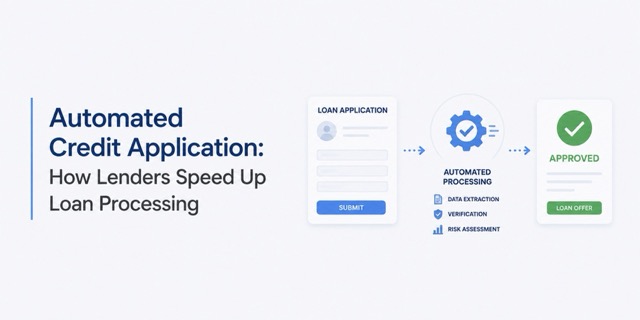
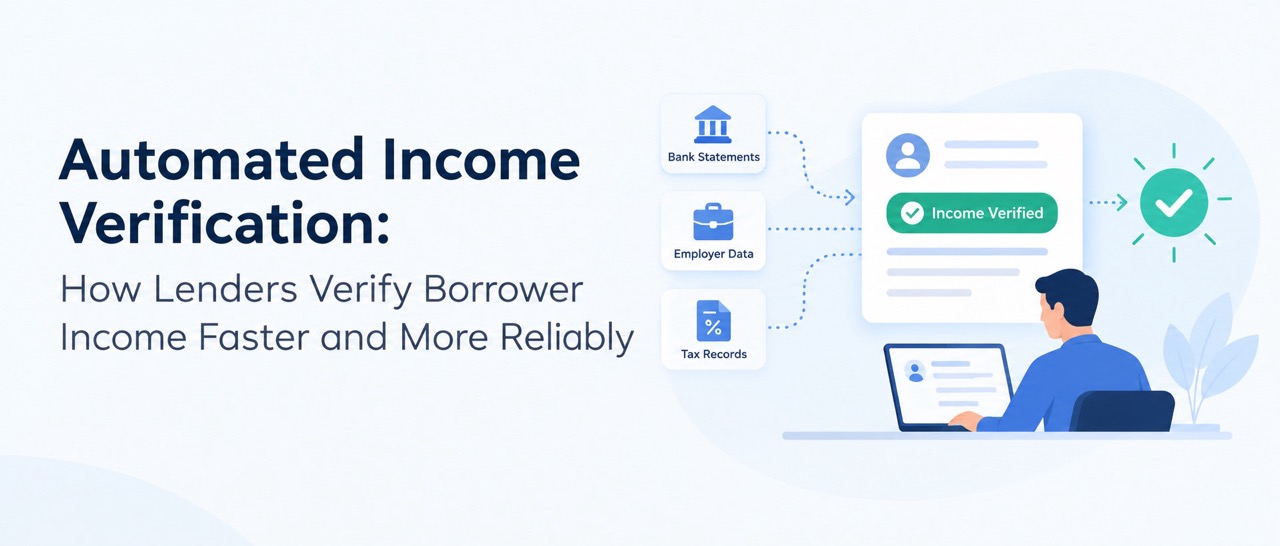
AI streamlines these processes using technologies such as Optical Character Recognition (OCR), document verification, facial recognition, and biometric matching. It can automatically extract information from identity documents, validate document authenticity, compare customer selfies with official IDs, and flag discrepancies for further investigation.
Applications that pass these verification checks can move directly to the next stage of the lending workflow, while incomplete, suspicious, or high-risk cases are routed to compliance or operations teams for manual review. This significantly reduces onboarding time while maintaining regulatory compliance and fraud controls.
- Loan Application Assessment and Underwriting
Once an application is submitted, banks need to determine whether the applicant satisfies lending policies and can realistically repay the loan.
Instead of replacing underwriters, AI performs the initial assessment by consolidating data from multiple sources, including bureau records, income statements, transaction history, existing liabilities, affordability metrics, and fraud signals. Machine learning models estimate the applicant's probability of default, while business rules evaluate product eligibility, debt-to-income ratios, loan limits, and regulatory requirements.
Low-risk applications that satisfy predefined lending criteria can proceed through straight-through processing with minimal manual intervention. Applications with conflicting information, policy exceptions, or elevated risk are automatically escalated to underwriters for further review. This hybrid approach enables banks to accelerate routine lending decisions while ensuring complex cases continue to receive human oversight.
- Personal and SME Lending Decisions
Consumer lending and SME financing often require banks to evaluate borrowers with very different financial profiles. While salaried individuals typically have structured income records, small businesses, freelancers, and self-employed professionals may have limited credit histories despite demonstrating strong repayment capacity.
AI addresses this challenge by incorporating alternative financial signals into the credit assessment process. Instead of relying solely on bureau scores, models can analyze business cash flows, GST filings, invoice payments, bank transactions, seasonal revenue patterns, and digital payment activity to build a more comprehensive view of financial health.
These insights help banks identify creditworthy borrowers who may have been overlooked by traditional scoring models, enabling responsible expansion of lending without significantly increasing portfolio risk.
- Fraud Detection and Continuous Loan Monitoring
Risk assessment does not end when a loan is approved. Borrower behavior, financial circumstances, and fraud patterns continue to evolve throughout the loan lifecycle.
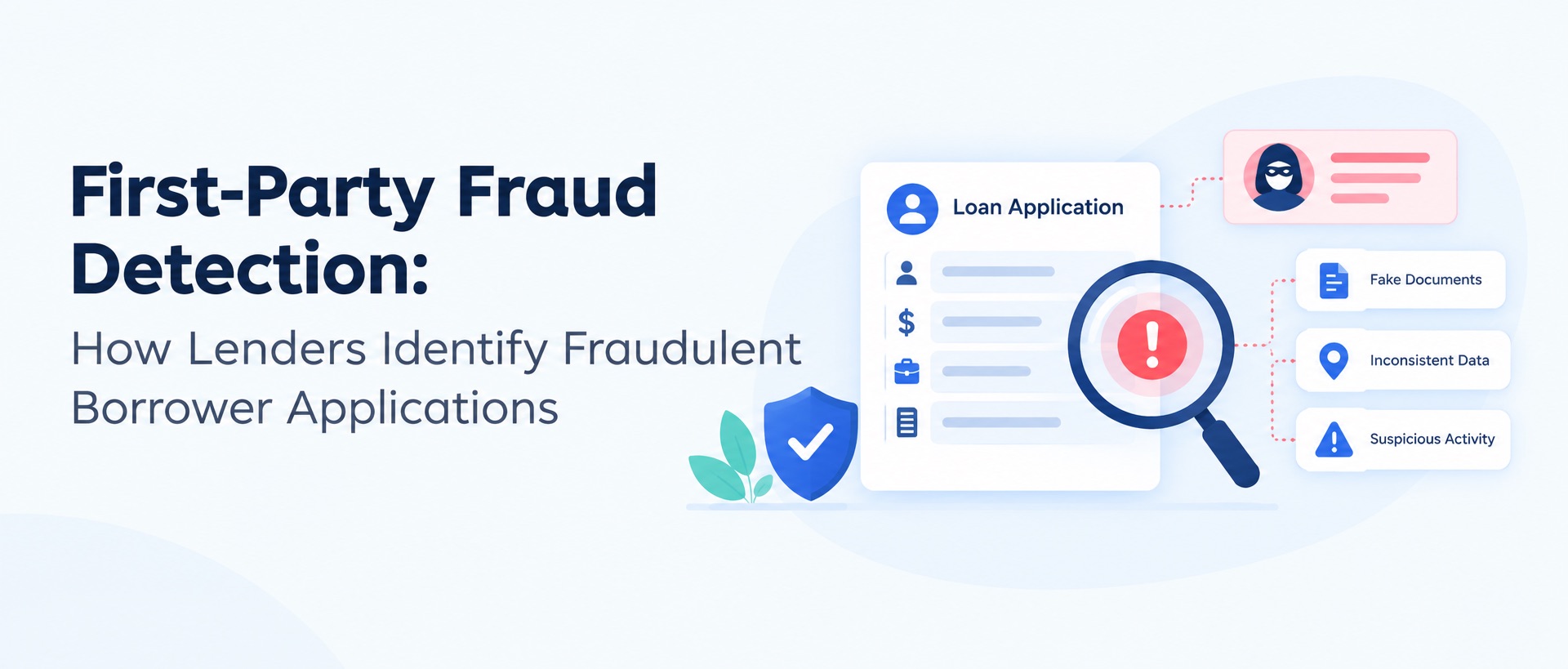
AI continuously monitors customer accounts for changes that may indicate increasing credit risk or fraudulent activity. These include unusual transaction behavior, declining account balances, missed repayments, abnormal spending patterns, synthetic identity indicators, and repeated loan applications across multiple channels.
Rather than waiting for defaults to occur, banks can use these early warning signals to trigger proactive interventions such as additional verification, customer engagement, restructuring options, or enhanced monitoring. This allows lenders to manage portfolio risk more effectively while reducing financial losses.
- Credit Limit Management and Collections Optimization
Customer creditworthiness changes over time as income, spending behavior, repayment history, and financial obligations evolve. AI enables banks to continuously reassess these changes instead of relying solely on periodic manual reviews.
For customers demonstrating strong repayment behavior, AI can recommend credit limit increases or pre-approved lending offers. Conversely, declining financial health or increasing utilization may trigger recommendations for credit limit reviews or additional risk assessments.
AI also improves collections by helping banks prioritize recovery efforts based on predicted repayment probability. Instead of treating every delinquent account equally, lenders can identify customers who are more likely to respond to reminders, benefit from restructuring, or require immediate intervention. This enables more efficient allocation of collections resources while improving recovery outcomes.
Also Read: Types of Credit Scoring Models
How Nected Helps Banks Build Transparent Credit Decision Workflows
AI models predict credit risk, but banks still need a way to apply lending policies consistently and explain every decision. Nected offers a low-code decision engine that integrates AI outputs with business rules to create transparent and auditable credit decisioning.
With Nected, banks will be able to:
- Consolidate the eligibility rules, approval rules, pricing rules, and compliance in one single place.
- Integrate AI output with the business rules like Debt-to-Income Ratio, Bureau Score, Fraud indicators, and product eligibility criteria.
- Approve low-risk applications, refer exceptions to manual reviews, or reject applications which don’t meet the mandatory criteria.
- Keep an audit trail that captures all the rules evaluated and the reasoning behind each decision made.
- Work seamlessly with the existing core banking system, credit bureau, CRM, Fraud Detection System, and API without touching the underlying architecture.
By keeping business rules separate from the application code, Nected will help banks make quick and consistent lending decisions.
Conclusion
Modern lending requires more than accurate risk assessment. Banks need to make decisions fast, be able to handle various customer segments, comply with changing regulations, and maintain the same level of lending consistency through each and every lending channel.
Classic credit scoring is still an essential ingredient, but alone it is not enough. AI-based credit scoring provides banks with the means to analyze bigger volumes of data, predict risks more effectively, automate lending decisions, and provide customers whose credit score does not match the criteria with lending opportunities.
Nevertheless, AI becomes truly effective when combined with clearly defined decision workflows. Integration of predictive models with central business rules will allow banks to automate standard lending decisions while ensuring governance, transparency, and regulatory compliance.
In the era of growing digital lending, banks implementing AI-based credit scoring together with advanced decision orchestration will have a better chance of achieving these goals.
FAQs
What Is Artificial Intelligence Credit Scoring?
Artificial intelligence credit scoring involves the use of machine learning algorithms to assess the creditworthiness of a borrower based on an analysis of a more extensive set of data compared to traditional credit scoring models.
What Makes the Artificial Intelligence Credit Scoring Different from Traditional One?
In addition to being based on credit bureau data, traditional credit scoring utilizes predefined scorecards. The AI-driven credit scoring takes into account multiple information sources, detects complex risk profiles, and enhances its performance through the use of new lending data.
Is the AI Credit Scoring Able to Improve Loan Approval Rates?
Certainly. AI enables banks to detect creditworthy borrowers that would not be approved under the traditional credit scoring models, e.g., first-time borrowers, self-employed people, and those with little to no previous credit history.
What Does the AI Enable to Reduce Loan Defaults?
The AI is capable of detecting certain risk signals that remain unnoticed by the traditional models. These signals include changes in spending behavior, cash flows, repayments, and transactions. Furthermore, it allows for continuous borrower surveillance.
Is AI-powered credit scoring compliant with banking regulations?
Of course, but with proper governance and explainability in place. The model needs to ensure transparency and follow the requirements imposed by regulations regarding fair lending and risk, and customer data protection.
How does Nected facilitate credit decisioning with AI?
By providing AI-based risk scores in tandem with business rules and human review of the loan application process, along with other compliance factors. It allows for making auditable lending decisions without programming the business logic into the application.



.svg.webp)

.webp)


.webp)

.webp)