.svg)

.svg)


.png)
.webp)
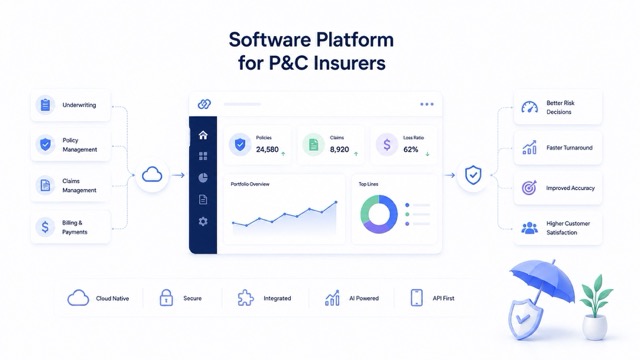
For most insurers, the core insurance system is the operational foundation of the business. It facilitates the handling of policies, premiums, claims, billings, customer information, and various other transactions that run the insurance operations daily.
With growing insurer focus on broadening product portfolio, digitalizing distribution channels, and innovating customer experience, the role of the core system has been redefined. The core system is not only meant for storing policies and handling transactional processes anymore. Now, it needs to facilitate an increasing number of underwriting systems, claims systems, customer portals, payments systems, regulatory services, and third-party data vendors.
This has led to changing perspectives on modernization, as insurers are now adding specialized technology solutions to their existing core platforms for decision-making and process automation.
This article will address how core insurance systems facilitate insurance operations, where traditional core systems make operations difficult, and why more and more modern insurance ecosystems require capabilities outside of core systems.
Why Every Insurance Process Depends on the Core Insurance System
Every insurance transaction eventually interacts with the core insurance system. It does not matter whether the insurer is underwriting a new insurance policy, creating an endorsement to an existing one, charging the premium, dealing with the claim, or renewing the policy; the core system is the platform where all the policy and client information resides through the course of its lifecycle.
Since different operations within the company rely on the very same policy data, the core system is where all underwriting, billing, claims, financial management, customer service, and compliance processes cross paths, providing the insurance company with the opportunity to have consistent data across all departments while making sure every operation relies on the same policy data.
With the introduction of new digital channels, broker networks, client self-service systems, and other third-party integrations, the importance of the core system goes well beyond just processing transactions.
Rather than functioning as an isolated application, a modern core insurance system supports the continuous flow of information between operational systems that participate in policy administration, claims management, billing, customer servicing, and compliance.
Also Read: How to Transform your Business using Insurance Automation?
How a Core Insurance System Powers the Entire Policy Lifecycle
A core insurance system supports far more than policy administration. From the moment a customer requests a quote until a policy expires or a claim is settled, almost every operational activity depends on information maintained within the core platform.
Before examining where modern insurers encounter operational challenges, it's useful to understand how the core system supports each stage of the insurance lifecycle.
- Product and Policy Administration
Core systems provide functions for creating policies, endorsements, renewals, cancellations, reinstatements, and policy servicing with a full history of policy updates throughout the entire customer lifetime.
- Billing and Premium Management
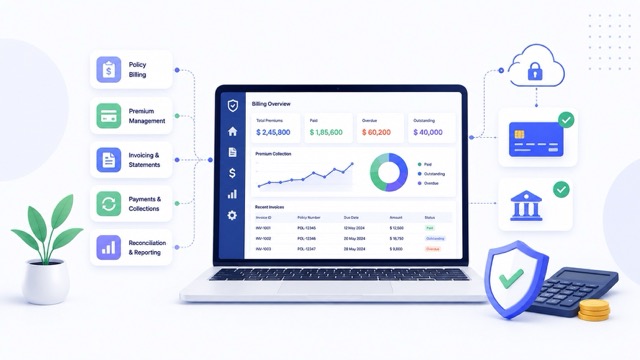
Calculations, payments, invoicing, collection, refunds, commissions, financial transactions, and other similar activities usually take place within the core system to keep policy and billing information in sync.
- Claims Processing
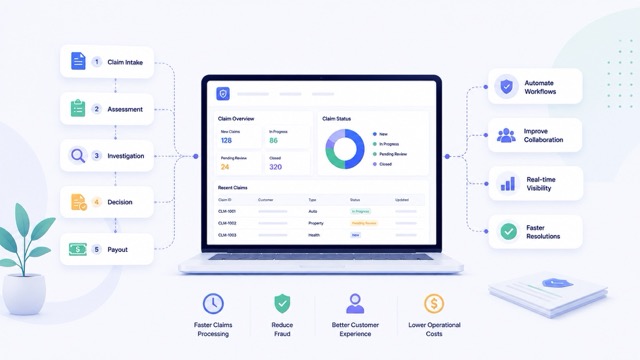
In the course of claims processing, the core system provides information about the policies, coverages, deductibles, endorsements, and the customer’s history to enable the claims department to verify the insurance coverage and settle the claim properly.
- Customer and Policy Information
The core system holds data about policyholders, insured objects, beneficiaries, contacts, policies, and servicing history. Thus, all operational departments have access to a single version of the truth.
- Interoperability Among Insurance Operational Systems
Modern core systems are able to exchange information with underwriting systems, CRM, DMS, payment systems, fraud detection systems, regulatory systems, analysis tools, and customer-oriented applications.
Where Legacy Core Insurance Systems Create Operational Bottlenecks
Core insurance systems remain the foundation of insurance operations, but many were designed to process transactions rather than support the speed and flexibility that modern insurers require. As insurers introduce new products, digital channels, and regulatory changes, adapting core systems often becomes more difficult than managing the business process itself.
The following operational challenges are common across many legacy core environments.
- Business Rules Embedded in the Core System
Many underwriting guidelines, policy validations, approval conditions, and eligibility rules are built directly into the core application. Revising these regulations is usually accompanied by development work, testing, and deployment, which makes it hard for insurance companies to adapt quickly to changes in their business and regulations.
- Limited Integration Flexibility
The modern insurance business needs integration with various providers of data, machine learning models, payment systems, customer portals, document management systems, and analytical tools. Such legacy core insurance software is able to integrate with the required components; however, integrating some other service usually requires developing custom connectors, which results in increased complexity of implementation and maintenance.
- Exceptional Processing
Most transactions can be performed automatically; however, the handling of exceptional cases is usually done manually. This means that applications that do not meet the requirements of the underwriting process, claims that need additional verification, or any kind of policies which require specific approvals are handled outside the core system using e-mails, spreadsheets, and similar solutions.
- Slow Product Changes
Introducing or revising an insurance product does not include only changes in policy records. Usually, changes in coverage terms, validation conditions, approval processes, document requirements, and operational workflow need to be made.
- Limited Visibility Across Operational Processes
While core systems record policy transactions, they don't always provide complete visibility into how work moves across underwriting, policy servicing, claims, approvals, and customer operations. This makes it harder for insurers to identify bottlenecks, monitor operational performance, and improve end-to-end processes.
Also Read: Insurance Rule Engine Workflow
Why Modern Insurance Operations Extend Beyond the Core System
In contrast to the earlier practice where modern insurance companies updated their core insurance systems each time a new business requirement appeared, nowadays, companies are building upon existing platforms by using new technologies to resolve specific issues and keep the core system responsible for handling policies and transactions. With the growing interconnectedness of insurance operations, capabilities like AI, workflow automation, document processing, external data services, and decision management are becoming complementary to the core platform rather than being integrated into it.
To get started with the analysis of these capabilities in action, let us first discuss the reason behind the popularity of such architecture among insurance companies.
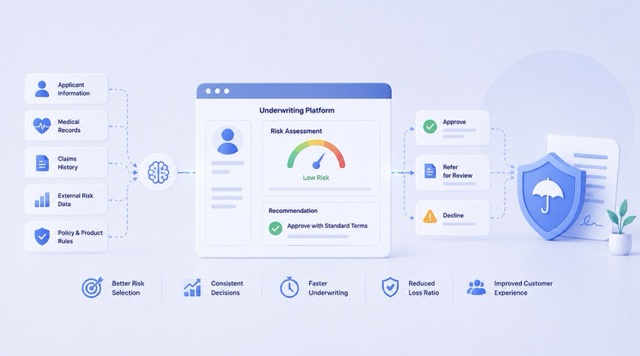
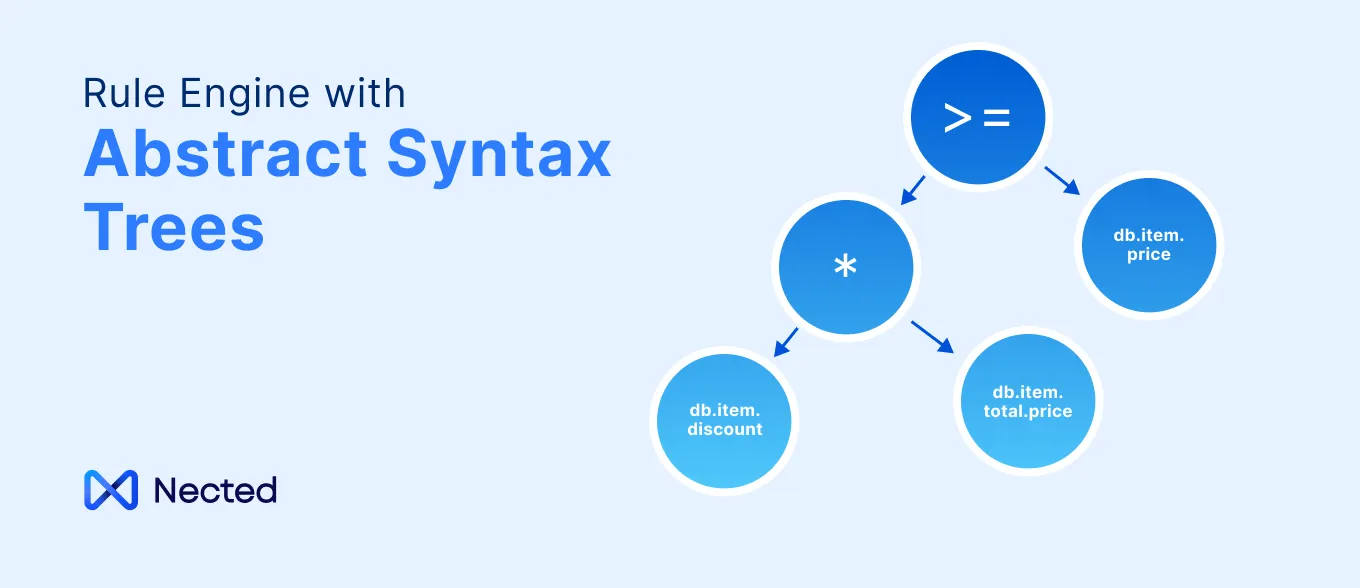
- Decision Management: A lot of decisions made during insurance operations are determined by business policies, not by transaction processing in the core system. Eligibility of underwriting, referral criteria, validation of policy, approval threshold, and claim routing are subject to change when product, regulation, or risk strategy changes. Decision management capability helps to handle these decisions separately from core transaction processing.
- Workflow Orchestration: Insurance processes typically involve different systems and departments. The coordination of underwriting, policy administration, claims processing, compliance, billing, and communications cannot be done with just the core.
- AI and Decision-Making Based on Data: Insurers can employ AI models to analyze risks, process documents, detect fraud, and prioritize tasks. Information of this kind becomes more valuable if it is integrated with business rules and policies kept in the core.
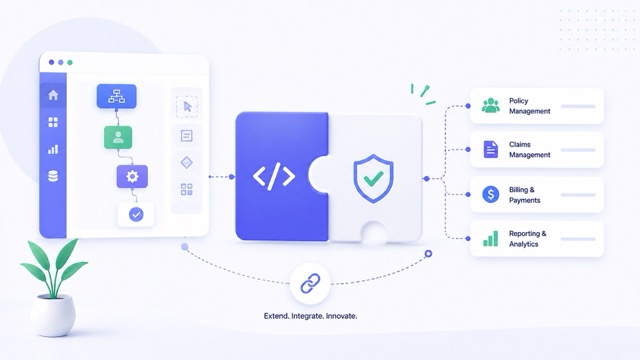
- Integration Based on API: The current insurance ecosystem needs continuous data exchange between the core and third-party applications. Insurers can integrate their customer portals, payment systems, analytics, regulatory services, and even third-party data based on API integration.
Conclusion
Core insurance systems remain the foundation of insurance operations, providing the transactional capabilities required to manage policies, billing, claims, and customer records throughout the insurance lifecycle. They still remain the systems of record for running insurance activities daily.
But when companies develop new products, new digital sales channels, new AI features, and new regulations, the operational complexity of business becomes too much for the original core system to manage. The business logic is changing much faster, approval processes are becoming more flexible, and the insurance workflow includes many different apps and people.
Instead of upgrading their core platforms with something new, some companies choose to extend their capabilities by adding complementary modules for decision management, workflow orchestration, and system integration.
For the insurers who want to modernize in the long term, the target is not only having an operational core system anymore. It's building an operational ecosystem where core platforms, decision logic, workflows, and external services work together to support faster, more adaptable insurance operations.
Frequently Asked Questions
What is a core insurance system?
The core insurance system is an underlying solution responsible for the processing of all vital insurance business operations such as policy administration, billing, claims, customer information maintenance, and others. It becomes the system of record for all policy and operation-related data throughout the entire insurance process.
Why do we need core insurance systems?
Core insurance systems deliver a central place where policy information and transactional processes can be managed. They ensure the consistency of the information during underwriting, billing, claims, customer service, and regulatory procedures as well as the proper functioning of daily business.
What problems do traditional core insurance systems cause?
Typically, traditional core systems limit insurers' capabilities to introduce new product offerings, change business rules, interface with modern software, and process data that is distributed across multiple operational departments. In the case of an increase in the number of digital operations at insurance companies, these restrictions might become less severe.
Is it possible to modernize insurance operations without replacing core insurance systems?
Yes, many insurance companies improve their traditional solutions by using advanced technologies related to decision management, process orchestration, artificial intelligence, data analysis, and integration with external sources of data.
How does the modern core insurance system interact with other technology?
The modern core insurance system is normally connected with the underwriting system, claims system, customer relationship management, payment gateway, document management system, analytics solution, customer portal, and regulatory service via API and integration platform.
What is the difference between core insurance system and decision orchestration?
The core insurance system contains all the information about policies and business activities. Decision orchestration contains all the information about the decision-making process by using business rules, workflow, AI insight, and external data. Core insurance system and decision orchestration will assist insurers to make decisions automatically.


.svg.webp)




.webp)


.webp)
%2520(3).webp)

.webp)