

Insurance companies generate large volumes of data across policies, claims, customer interactions, payments, and risk. Predictive analytics uses this data to estimate outcomes such as claim probability, fraud risk, customer churn, and expected loss.
For Indian insurers, these predictions can support decisions across underwriting, claims processing, fraud detection, pricing, and customer retention. Instead of relying only on historical reports, insurers can use predictive models to identify patterns and assess what is likely to happen next.
But a prediction alone does not make a business decision. A model may flag a claim as high risk, for example, but the insurer still needs rules to determine whether that claim should be investigated, routed for review, or processed normally. This is where predictive analytics needs to connect with business decisioning and operational workflows.
What Is Predictive Analytics in Insurance?
Predictive analytics in insurance uses historical and current data, statistical techniques, and machine learning models to estimate the probability of future events or outcomes. Depending on the use case, a predictive model may estimate:
- The probability that a policyholder will make a claim
- Expected claim severity
- The likelihood that a claim contains suspicious characteristics
- The probability that a customer will lapse or renew
- Expected loss for a particular risk
- The likelihood that a claim will require additional investigation
- The probability that an application represents a higher-risk profile
For example, a motor insurer can use policy information, historical claims, vehicle characteristics, and other relevant data to estimate claim risk. A health insurer can use historical claims and policy information to identify cases that may require additional scrutiny.
The model does not replace underwriting guidelines, claims policies, actuarial analysis, or regulatory requirements. It adds a probabilistic layer that helps insurers identify patterns across large datasets and use those patterns in operational decisions.
Predictive Analytics vs. Traditional Insurance Analytics
Traditional insurance analytics focuses on analysing historical data to understand portfolio performance, claims, losses, and customer behaviour. Predictive analytics builds on that data to estimate what is likely to happen next, helping insurers make forward-looking decisions.
The difference becomes clearer when you compare the questions each approach is designed to answer:
Predictive analytics does not replace traditional analytics. Historical reporting shows insurers what happened; predictive analytics helps them act on what is likely to happen next.
Predictive Analytics Use Cases in Insurance
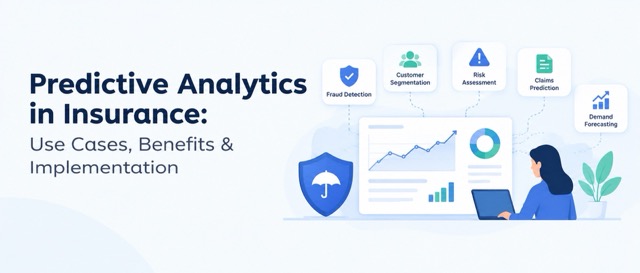
Predictive analytics can be applied across underwriting, claims, fraud detection, pricing, customer retention, and risk management. Each use case uses different insurance data to generate a prediction, probability, or risk score.
Here are the key applications:
- Predictive underwriting: Uses applicant, policy, claims, and risk data to estimate claim probability, expected loss, or overall policy risk. The resulting risk score can be passed to underwriting workflows and evaluated against eligibility criteria, product rules, and underwriting guidelines.
- Claims prediction and optimization: Models can predict claim severity, complexity, processing time, or the likelihood of specialist review. These predictions can drive claims routing; for example, standard claims can follow automated processing while higher-complexity cases are routed for manual assessment.
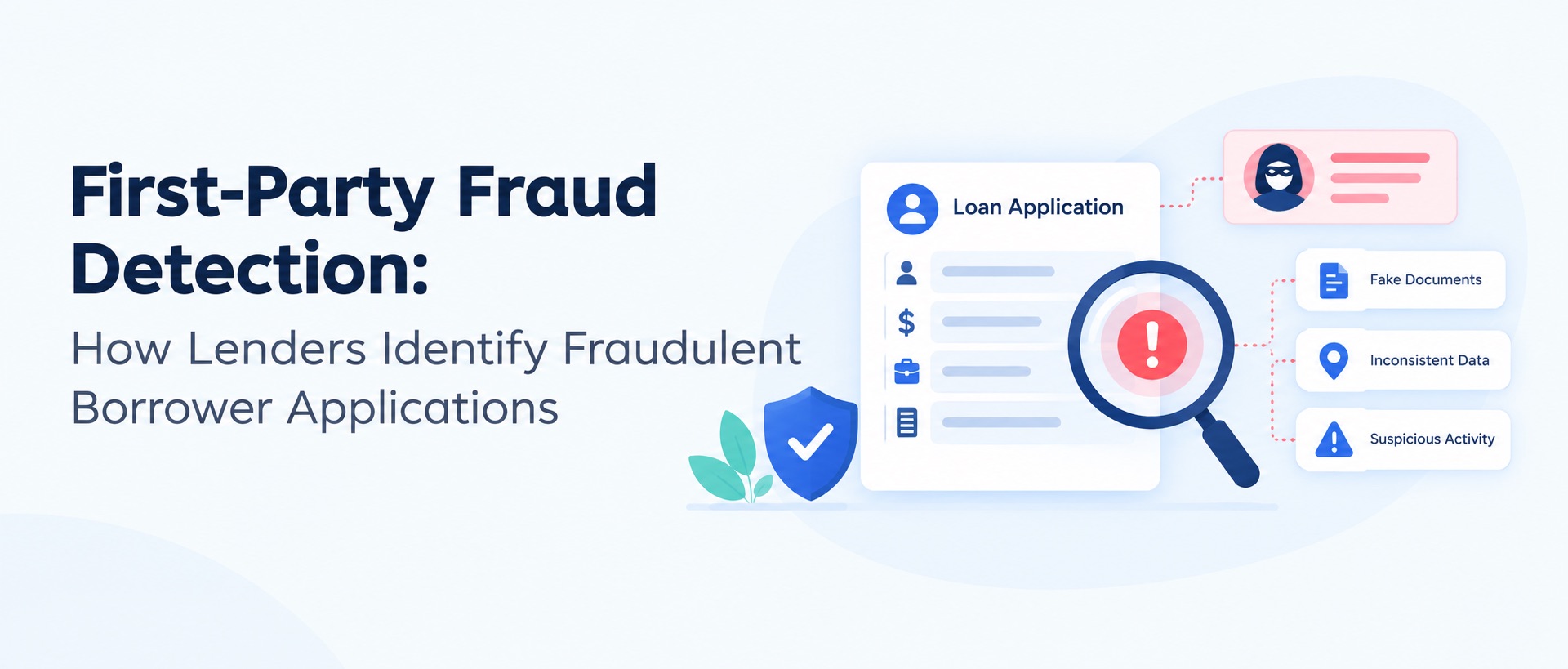
- Fraud detection: Fraud models analyse claims, policy history, customer and provider relationships, transactions, location, timing, and previous investigation data to identify patterns associated with suspicious activity. The output is typically a fraud-risk score that can trigger additional validation or investigation.
- Customer churn prediction: Models estimate the probability of policy lapse, cancellation, or non-renewal using signals such as policy tenure, renewal history, payment behaviour, product type, and customer interactions. The score can trigger targeted retention workflows before renewal.
- Risk-based pricing: Predictive models can estimate claim frequency, claim severity, expected loss, or other risk measures used by pricing teams. The model output becomes an input to pricing logic rather than directly determining the premium.
- Customer segmentation and personalization: Predictive models can classify customers based on likely behaviours such as renewal probability, product interest, or engagement likelihood. These predictions can feed segmentation rules and determine which offer, communication channel, or engagement workflow should be used.
- Catastrophe and loss prediction: Models can combine historical claims and exposure data with geographic, weather, and environmental data to estimate expected loss, geographic risk concentration, and potential claims volume. These outputs support portfolio monitoring, catastrophe planning, and claims-resource allocation.
How Predictive Analytics Works in Insurance
A typical predictive analytics pipeline follows this flow:
Insurance data → Data preparation → Feature engineering → Predictive model → Prediction/risk score → Decision logic → Workflow → Outcome feedback
The model is only one component. The production system also needs reliable data, validation, monitoring, and a decision layer that converts predictions into actions. The process typically involves these steps:
- Collect and prepare insurance data: Depending on the use case, inputs can include policy and claims history, customer and payment data, product details, telematics or usage data, and external risk data such as geographic or weather information. Data is cleaned, validated, and transformed before modelling. Only data relevant to the decision and permitted for its intended use should be included.
- Define the prediction target: The model needs a specific outcome to predict. This could be claim probability, claim severity, fraud risk, churn probability, expected loss, or claim complexity. A clearly defined target determines which historical records and features are relevant.
- Engineer and select features: Raw insurance data is converted into model-ready variables. Examples include claim frequency, policy tenure, payment patterns, previous claim amounts, renewal history, or geographic risk indicators. Features should be available at the time the prediction is made to avoid data leakage.
- Train and validate the model: Statistical or machine learning models are trained on historical data and evaluated on separate validation or test data. Depending on the use case, insurers may use regression, classification, tree-based models, or other approaches. Evaluation should cover both model performance and its suitability for the actual insurance decision.
- Generate predictions: Once deployed, the model receives data for a new policy, claim, or customer and produces an output such as a probability, risk score, classification, or expected value.
- Apply decision logic: The prediction is passed to a separate decision layer that determines the next action. For example, a claims workflow could use risk-score thresholds to route cases to standard processing, additional validation, or specialist review.
- Execute the workflow: The decision triggers an operational action such as approving a workflow step, requesting documentation, assigning a claim for investigation, initiating a retention campaign, or routing a case to an underwriter.
- Monitor outcomes and model performance: Actual outcomes are fed back into the system to monitor prediction quality, data changes, model drift, and business performance. This feedback can be used to retrain or recalibrate models when their performance degrades.
Benefits of Predictive Analytics for Insurance Companies
Predictive analytics improves insurance decisions by turning historical and current data into risk scores, probabilities, and expected values. Key benefits include:
- Risk assessment: Predict claim probability, claim severity, expected loss, and other risk measures using policy, claims, customer, and external data.
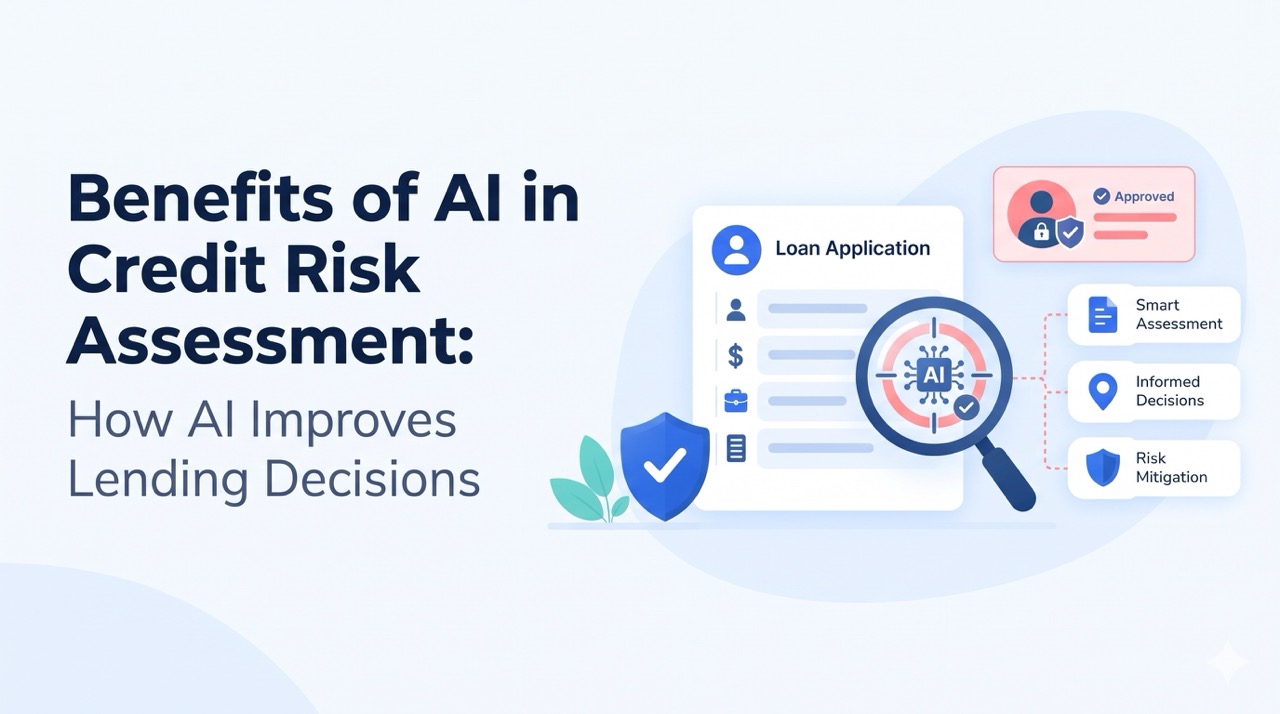
- Faster underwriting: Use risk scores to automate straightforward cases and route higher-risk applications for manual assessment.
- Fraud detection: Score claims based on patterns across claims history, customer data, provider relationships, transactions, and other relevant signals.
- Claims optimisation: Predict claim severity, complexity, processing time, and specialist-review requirements to improve claim routing.
- Customer retention: Predict lapse or non-renewal probability and trigger targeted retention workflows.
- Pricing: Use predicted claim frequency, severity, and expected loss as inputs to actuarial and pricing models.
- Operational efficiency: Automate eligible cases and allocate human resources to exceptions and higher-risk cases.
Challenges of Predictive Analytics in Insurance
A predictive model can perform well during development and still fail in production if its data, assumptions, or operating environment change. Insurance systems also need to handle governance, explainability, privacy, and integration requirements. The main challenges are:
- Data quality and fragmentation: Policy, claims, CRM, payment, and external data often reside in separate systems. Missing values, duplicate records, inconsistent identifiers, and delayed updates can affect model inputs and predictions.
- Model bias: Models learn from historical data. If the training data contains systematic bias, the model can reproduce or amplify it, particularly in decisions involving underwriting, pricing, eligibility, or claims.
- Explainability: Risk scores used in operational decisions may need to be traceable to the factors that influenced the prediction. Black-box outputs can make validation, investigation, and governance harder.
- Data privacy and security: Predictive systems may process personal, financial, health, and policy data. Data access, retention, security, and permitted usage need to be controlled throughout the model lifecycle.
- Model drift: Changes in customer behaviour, claim patterns, fraud techniques, products, or external conditions can change the relationship between model inputs and outcomes. Continuous monitoring is required to detect performance degradation.
- Production integration: A model needs more than an inference endpoint to become part of an insurance workflow. Production systems require reliable data pipelines, model serving, decision logic, workflow integration, monitoring, and failure handling.
How to Implement Predictive Analytics in Insurance
A production implementation should connect a specific insurance decision to the data, predictive model, business rules, and workflow that execute it. The implementation should follow a clear path from defining the decision to deploying and operationalising the prediction. The practical implementation path is:
- Define the Insurance Decision
Start with the decision the system needs to support, such as identifying claims that require additional review, predicting customers likely to lapse, identifying applications that need deeper underwriting, or flagging claims with higher fraud risk. Define the target outcome, decision criteria, and success metric before selecting the model or features.
This keeps the implementation focused on a measurable insurance use case rather than building a model without a defined operational purpose.
- Prepare and Validate Insurance Data
Identify the policy, claims, customer, payment, and external data required for the prediction, then establish a pipeline to collect, join, clean, and validate it. This includes handling missing and duplicate records, defining model features, preventing data leakage, and checking that the production data follows the same feature definitions used during training.
The final feature set should contain only information that is legitimately available when the prediction is generated.
- Build and Validate the Predictive Model
Train the model against the defined target and evaluate it using metrics appropriate to the insurance use case. A fraud model may require precision, recall, and false-positive analysis, while a churn model can be evaluated against actual renewal or lapse outcomes. Claims models may use severity prediction error or classification performance, while underwriting models may require discrimination and calibration analysis.
Validation should cover both technical performance and business impact, including performance across relevant segments and stability under realistic production conditions.
- Connect Predictions to Business Rules and Workflows
A prediction becomes operational only when you map it to a defined business action. A fraud score can be evaluated against investigation thresholds, a churn probability can trigger retention rules, and a claim-risk score can determine whether a claim follows standard processing or specialist review. The predictive model should generate the prediction, while a separate decision layer evaluates it against business conditions and the workflow executes the resulting action.
Keeping these layers separate allows insurers to change thresholds, eligibility criteria, or routing policies without retraining the underlying model. This is also where a decision automation platform such as Nected can connect predictive outputs with business rules and downstream insurance workflows.
Using Nected to Turn Predictive Insights Into Insurance Decisions
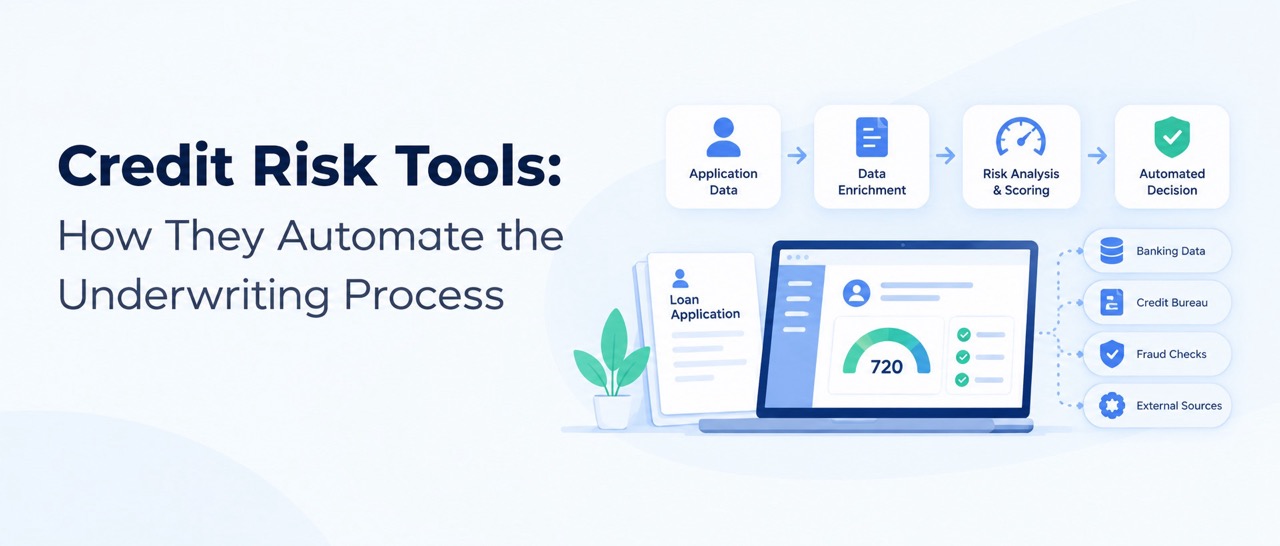
A predictive model produces an output such as a claim-risk score, fraud probability, or churn probability. Nected can use that output as an input to business rules and operational workflows, so insurers can apply the prediction alongside policy conditions and other decision criteria.
For example, a claims model may return a claim-risk score of 0.87. Nected can evaluate that score together with claim amount, policy status, claim type, or other conditions and determine the appropriate action.
Typical implementations include:
- Use predictive outputs in rules: Pass a claim-risk score, fraud probability, or churn probability into Nected rules as an input alongside other business data.
- Route high-risk claims: Apply thresholds or combinations of conditions to route higher-risk claims to additional validation or specialist review.
- Trigger different workflows: Use different score ranges or decision outcomes to trigger standard processing, manual review, customer communication, or other workflows.
- Combine predictions with business rules: Evaluate model outputs alongside eligibility criteria, policy status, product conditions, or underwriting and claims rules instead of relying on the prediction alone.
- Automate actions through APIs: Expose decision logic through APIs and use the resulting decision to trigger actions in existing insurance systems and applications.
- Change decision logic independently: Update thresholds, conditions, or routing rules without changing or retraining the underlying predictive model.
The architecture can therefore remain separated: Predictive model → Nected decision logic → Insurance workflow/API → Operational action. Nected handles the decision logic around the model output; the predictive model remains responsible for generating the prediction.
The Future of Predictive Analytics in Insurance
Insurance analytics is moving from batch-based prediction toward real-time decision systems. Insurers can use real-time data for risk assessment, AI-assisted underwriting to prioritise complex applications, and predictive claims models to automate triage. Fraud models can score claims earlier as new data becomes available, while telematics and connected-device data can provide additional risk signals where applicable. Predictive models can also support customer segmentation, renewal prediction, personalised products, and targeted communication.
The larger shift is from prediction to decision automation. Instead of stopping at a risk score, insurers can connect model outputs to business rules, workflows, and operational systems: insurance data → predictive model → risk score → decision rules → workflow → action. For Indian insurers, this means building systems that are accurate, explainable, governed, secure, and production-ready.
FAQs
What is predictive analytics in insurance?
Predictive analytics in insurance uses historical and current insurance data, statistical methods, and machine learning to estimate future outcomes such as claim probability, claim severity, fraud risk, customer churn, or expected loss.
How is predictive analytics used in insurance?
Predictive analytics is used across underwriting, claims management, fraud detection, pricing, customer retention, risk assessment, segmentation, and catastrophe or loss analysis. The specific prediction depends on the business problem being addressed.
What data is used for predictive analytics in insurance?
Common sources include policy data, claims data, payment and renewal history, customer information, behavioural or usage data where appropriate, telematics, geographic information, weather or catastrophe data, and other relevant external data sources.
How does predictive analytics improve underwriting?
Predictive models can identify patterns associated with future risk and provide underwriters with additional risk signals. This can help prioritize applications, support risk assessment, and route cases for additional review while keeping underwriting decisions within the insurer's approved policies and governance framework.
Can predictive analytics detect insurance fraud?
Yes. Predictive models can identify patterns associated with previously observed suspicious claims and assign risk scores to new cases.
How does predictive analytics improve claims processing?
It can help predict claim complexity, severity, processing requirements, or the likelihood that a claim needs additional review. Insurers can use these predictions to route claims to appropriate workflows and allocate human resources more effectively.
What are the challenges of predictive analytics in insurance?
The major challenges include fragmented data, poor data quality, model bias, explainability, privacy and security requirements, integration with existing insurance systems, and model drift after deployment.
What is the difference between predictive and prescriptive analytics?
Predictive analytics estimates what is likely to happen. Prescriptive analytics focuses on what should happen next. In insurance, a predictive model might produce a fraud-risk score, while a decision layer can use that score with business rules to determine whether a claim should undergo additional investigation.