.svg)

.svg)



.png)
.webp)
Issuance is the stage when the insurer converts the application into the insurance contract. It seems quite easy to do; however, in reality, insurers must do many things before issuing their policies.
Despite the fact that underwriting approval was done, the insurer still needs to check the customer data, the premiums, generate the documents, perform compliance controls, collect the money (if required), and issue the policy in the system.
With increasing numbers of applications received and increasing product complexity offered by insurers, managing policy issuance processes becomes a challenge when done using disconnected systems and manual workflows.
In this regard, issuance software will help to manage the activities that occur after underwriting approval but before policy issuance.
The purpose of this article is to show why policy issuance is still a difficult process for insurers, what functions of the modern issuance software are used by insurers, and what improvements can be made to enhance efficiency.
Why Policy Issuance Is Still One of the Slowest Steps in the Insurance Journey
Many insurers invest heavily in improving underwriting speed, digital quoting, and online applications. However, even after an application receives underwriting approval, policy activation is often delayed by the operational work that follows.
Policy issuance is not a one-time activity. It is a series of interdependent actions that should be performed in the right order before coverage becomes effective. Policyholders' data should be validated, premiums checked, policy documents created, regulatory requirements met, payments made, and several other steps performed.
In case when such actions are performed manually or in uncoordinated applications, even simple policies may stay open although being approved by the insurer.
This problem is aggravated for those companies that offer several types of insurance policies using different channels of distribution and meeting varying regulatory requirements in each region separately.
Each product type may have specific document sets, approval levels, payment terms, or other requirements before policy issuance starts.
As the number of policies increases, the above-mentioned factors lead to bottlenecks that negatively influence policy issuance performance.
Also Read: Insurance Underwriting Software
What Happens Between Underwriting Approval and Policy Activation?
Underwriting approval is considered the end of the risk assessment process, but it is actually the start of various tasks that need to be completed prior to the policy coverage taking effect.
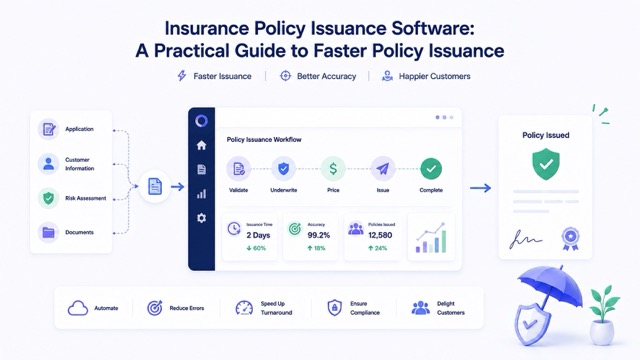
Depending on the insurer and its products, the process of policy issuance entails various related tasks. The following phases represent the main components of the process of policy issuance:
- Premium Verification: Before a policy is issued, the insurer verifies the final premium in view of underwriting results, endorsements, discounts, taxes and fees. All discrepancies between the premium quoted and that approved need to be settled.
- Document Preparation: Policy schedules, certificates, terms & conditions, endorsements, disclosure forms and notices need to be prepared according to the approved policy configuration. Manual preparation of documentation raises the risk of errors.
- Compliance and Validation Tests: The issuers may carry out final validation tests before policy activation. These could be things like customer identity testing, documentation testing, disclosure testing, sanctions testing, and specific product compliance tests.
- Payment Testing: For most types of insurance policies, the policy activation requires that the payment has been made successfully. This means that a delay in payment processing can lead to delays in the activation of the policy even when all other processes are done.
- Policy Activation: After the issuance process has been completed, the policy will be activated within the core insurance system. The policy is recorded, communications with customers are initiated, and downstream systems like billing, claims, and customer portals get the policy data.
How Policy Issuance Software Connects Every Step of the Issuance Workflow
Policy issuance is not done through just one application. It is the integration of many systems and operational processes that need to run before the coverage can be issued. Information about the customer, underwriting process, payment information, document information, validation process, and insurance systems, among other operational activities, contribute to policy issuance.
Without a workflow, the insurer will have to go through manual processes and information transfer between different applications. This problem becomes clearer when the policies increase in number or complexity.
In today’s world of policy issuance software, a workflow process for the operational activities has been designed to make sure that all the activities have been done before issuing the policy. Before we discuss how the policy issuance software adds maximum value, it is important to understand the operational abilities of such software.
- Workflow Coordination: Policy issuance involves multiple dependent tasks that cannot always occur simultaneously. Modern software coordinates these activities, ensuring that validations, document generation, payment confirmation, and policy activation occur in the correct sequence while providing visibility into the status of every application.
- Documents Creation: The issuance system creates policy schedules, certificates, endorsements, terms and conditions, and other required regulatory documents based on valid policy data. Manual effort is minimized, and documents are kept accurate.
- Integration with Insurance Systems: Policy issuance requires information provided by underwriting, policy administration, billing, payment gateways, CRM systems, and document management systems. Contemporary issuance systems integrate all these systems to avoid redundancy and inconsistency of data used during the issuance process.
- Status Tracking and Issue Identification: Each application does not necessarily go through the same path during the issuance process. Issues such as missing documents, payment failures, non-compliance, and validation errors can stop the process. The issuance software helps monitor the process and solve any exceptions encountered.
When Policy Issuance Software Delivers the Most Value
Policy issuance software benefits insurers of every size, but its impact becomes most noticeable in environments where issuing policies involves multiple approvals, product variations, or high transaction volumes.
The following scenarios demonstrate where insurers typically see the greatest operational improvements.
- High-Volume Personal Insurance: Personal auto, health, travel, and home insurance often involve thousands of policy applications every day. This approach will make processing time higher and add unnecessary burdens in terms of operations. Structured issuance workflows allow for efficient processing of routine policies in an effective manner.
- Multi-Product Insurance Businesses: When insurers provide various insurance products, they face various issuance issues that are different for each of their lines of business. This complicates operations even further. Policy issuance software allows for standardization of such processes while keeping the peculiarities of each of the products.
- Brokers and Agents: Applications that come via brokers or agents need additional validations to be performed before the issuance of a policy. Issuance software allows for increased visibility into the applications while providing means for coordinating documentation, approvals and communication.
- Embedded and Digital Insurance
Digital insurance products should be processed almost instantly when it comes to policy issuance. Delay caused by additional validations or disconnected operational systems might ruin customer experience. Policy issuance software allows insurers to coordinate issuance operations needed for quick processing of such policies.
- Regulatory and Compliance-Driven Products
Certain insurance products require additional disclosures, customer validation or other requirements to be met before issuance. Managing such requirements via structured workflow is the key.
Also Read: How to Transform your Business using Insurance Automation?
Why Issuance Delays Often Start with Business Rules, Not Technology
Policy issuance doesn't stop because a system fails. It stops because the next business condition hasn't been met.
For a policy to be activated, insurers usually check customer eligibility, payment of premiums, completeness of required documentation, conditions of specific products, and whether there are other approvals necessary.
When such conditions cannot be met or need to be checked manually, the issuance process stops until the problem is resolved.
With insurers adding new products, distribution channels, and regulations, business rules will become more complex. Having business rules distributed among several systems or manually managed, teams will spend more time verifying exceptions rather than issuing policies.
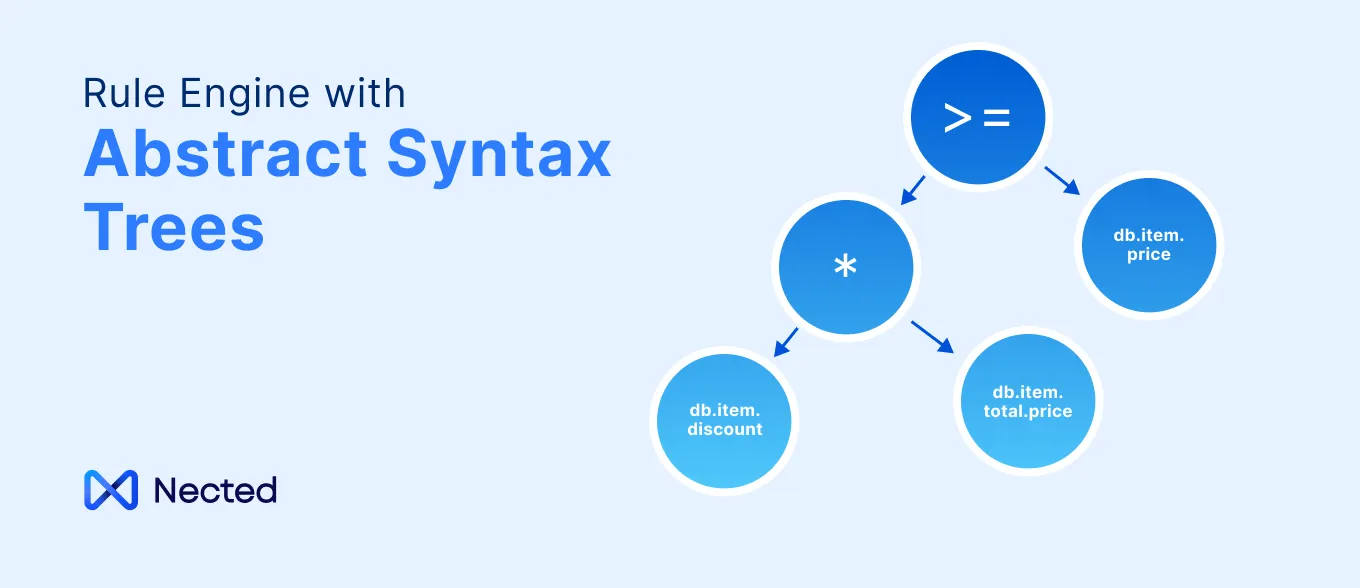
Decision orchestration will complement policy issuance software by providing a platform for managing business rules and decision workflows in one place instead of embedding them in several different applications.
Nected enables insurers to manage business rules, orchestrate decision workflows, and integrate them into existing policy issuance systems. When insurers' underwriting guidelines, compliance needs, or product rules are changed, they will not have to alter their core insurance applications.
Conclusion
Policy issuance is more than the final step in the insurance journey; it's the process that turns an approved application into an active policy. Underwriting is the process that decides which risks will be covered, while the policy issuance phase ensures all operational aspects have been taken care of before coverage commences.
With new product introductions, increased usage of digital technologies for customer interaction, and growing application numbers, the orchestration of premium validation, documentation, compliance checks, verification of payment, and policy activation becomes a complicated process. Disconnected technology or manual processes used for such activities may lead to delays in policy activation even if the decision to cover is already made.
Policy issuance software helps insurance companies coordinate such activities, allowing for an effective activation of policies through proper coordination of systems and operational processes. But, in addition to the policy issuance system, it takes well-structured decision-making to achieve fast policy issuance.
Combining modern policy issuance software with sound decision-making processes allows insurance firms to increase efficiency and eliminate unnecessary delays in the issuance process.
Frequently Asked Questions
What is insurance policy issuance software?
Insurance policy issuance software assists insurance firms in coordinating the operational processes involved in issuing an insurance policy after the insurance application has been underwritten. The activities coordinated by the software include premium confirmation, documentation, validation, payment verification, and the activation of the insurance policy.
How does policy issuance differ from underwriting?
The process of underwriting involves assessing an insurance application for acceptance and on what basis. Policy issuance is an activity that follows underwriting and entails the coordination of operational processes leading to policy activation.
Why do insurers experience delays in policy issuance?
Policy issuance may take time because there are several operational activities that have to be done prior to the activation of the insurance policy.
What features should insurers consider when choosing policy issuance software?
Features such as workflow coordination, automated document generation, integration with underwriting and policy administration systems, payment verification, compliance, exception handling, and issuance progress tracking are important.
Is there any possibility that policy issuance software can be integrated with the current insurance system?
Yes. Policy issuance systems are typically designed for integration with underwriting systems, policy administration systems, billing systems, payment systems, document management systems, CRM systems, and many other insurance applications as well.
How do business rules influence policy issuance?
Business rules make the difference between whether the policy could be issued or not. It is needed to manage such business process steps as eligibility check, payment process, document check, approval limits, etc. Proper business rule management can help insurance companies to increase efficiency.


.svg.webp)






.webp)


.webp)


%2520(3).webp)

.webp)