.svg)

.svg)


.png)
.webp)
Insurance operations have become much more complicated during the last ten years. Each policy issuance, claim handling, renewal, endorsement, and customer interaction is handled through several systems, regulatory procedures, manual interventions, and customer interactions. With rising volume, insurance companies have to find ways to cut down costs while improving efficiency and speed of their operations.
Many insurance companies have automated customer interaction operations, however, back-office processes stay fragmented and disconnected. Claim handlers deal with many systems, underwriters do their job manually, policy servicing is full of repetitive data entries, and business rules are hardcoded into applications.
Insurance automation platforms automate back-office processes, unify decision-making, integrate systems and eliminate manual handoffs for underwriting, claims, policy administration and customer servicing operations.
However, not all insurance automation platforms serve the same purpose. Some of them are focused on workflow management, others are specialized in claims processing, there are decision orchestration or enterprise process automation platforms. It is critical to understand what type of platform one needs in order to analyze vendors' offerings.
This guide compares five leading insurance automation solutions and explains how to choose the right platform based on your operational priorities.
What Makes Insurance Automation Software Worth Investing In?
Insurer automation is not just about eliminating manual work anymore. Insurers that automate do it to create operational consistency, increase the speed of services provided, and decrease the efforts spent on processing insurance policies and claims.
The highest ROI is obtained by optimizing operational workflows from start to finish instead of automating individual processes. These functionalities have the greatest effect for insurers that use automation.
- Faster Claim Process: Processing a claim requires involvement of different teams in collecting documents, verifying information, checking for fraud, validating the policy, evaluating it, making approvals, and settling it. Automation unites these actions into a single workflow and eliminates any delays caused by interactions between operational teams.
- Consistent Underwriting Decisions: Underwriting conducted manually may result in different decisions when eligibility requirements, approvals, and pricing rules are applied differently. Insurer automation systems make such processes consistent using configurable business rules prior to moving an application to another step in the workflow.
- Reduced Operational Workload: Insurance operations involve repetitive activities such as document verification, policy validation, customer notifications, task assignment, and approval routing. Automation helps streamline all these operations, leaving professionals such as claims adjusters, underwriters, and operations teams free to deal with matters that require professional expertise.
- Regulatory Compliance: The insurance process needs to be fully traceable. In automation systems, every step in the process, from workflow transitions to policy analysis and approvals, is fully recorded. This helps enhance regulation reporting as well as internal governance.
- Enhanced Customer Experience: Consumers today expect instant responses at each stage of the policy and claim management process. With automation, insurers can easily initiate notifications, requests, approvals, and other processes, thereby minimizing customer queries.
- Scalability
As the number of policies increases, insurance firms need to have procedures that are scalable, but without a corresponding increase in staff. This is where automation helps insurers manage more volume of work.
Also Read: Top Insurance Underwriting Software
Insurance Automation Software Compared at a Glance
Top 5 Insurance Automation Software Solutions
Insurance automation platforms serve different purposes across underwriting, claims, policy servicing, and operations. Here's a look at five leading solutions and where each fits within the insurance value chain:
- UiPath: Best for High-Volume Insurance Process Automation
Everyday insurance processes consist of thousands of repetitive back-office actions. Policy data should be updated in several systems, claim documents should be classified, premium payments should be reconciled, and various regulatory reports should be produced. While these actions do not require any knowledge in underwriting, they take considerable amounts of resources.
UiPath assists insurance companies to get rid of all the above-described manual work through robotic process automation (RPA), AI-driven document understanding, and integration between systems. In order to achieve that goal, UiPath does not replace the core insurance platforms but rather automates all repetitive actions performed within these processes.
What you can automate:
- First Notice of Loss (FNOL) registration based on automatic extraction of information about claimants from web forms, e-mails, and scanned documents for claim creation.
- Capture and classification of claim documents, invoices, medical documents, repair estimations, and other documents needed via AI-driven document understanding.
- Policy synchronization across several policy administration systems, CRMs, and billing platforms without manual entry.
- Reconciliation of premium payments and transactions between financial and policy management systems.
- Renewals, endorsements, cancellations and other policy services.
- Generation of regulatory reports based on data from several insurance systems.
Best suited for: Large insurance companies to automate tedious operational tasks in their policy administration, claims and financial systems.
Things to consider: UiPath is used to automate operations and does not make any underwriting, claim approval, or policy decision. Business logic usually is located in another decision management system.
- Automation Anywhere: Best for AI-Driven Operational Automation
Automation Anywhere focuses on reducing manual effort across high-volume insurance operations by combining robotic process automation with AI-driven process execution.
Insurance teams often spend significant time collecting information from multiple systems, validating customer records, updating policy information, and processing repetitive servicing requests. Automation Anywhere reduces these operational handoffs by automating repetitive processes while integrating with existing insurance applications.
What you can automate:
- Collect underwriting information from internal systems before risk assessment begins.
- Extract policyholder data from submitted documents and populate policy administration systems automatically.
- Validate customer records against KYC, compliance, and sanctions databases.
- Process routine policy servicing requests such as endorsements, renewals, beneficiary updates, and cancellations.
- Automate claim registration, assignment, and customer status notifications.
- Synchronize operational data across policy, billing, CRM, and claims platforms.
Best suited for: Insurance organizations processing high volumes of policy servicing, underwriting support, and claims administration.
Things to consider: Automation Anywhere automates operational execution rather than insurance decisions. Underwriting rules, claim eligibility, and approval policies generally require dedicated business rule or decision orchestration platforms.
- Nected: Best for Insurance Decision Orchestration
Many insurance processes don't slow down because information is missing—they slow down because the next operational step depends on a business decision.
For example:
Should this claim qualify for straight-through processing?
Does the claim exceed the adjuster's approval authority?
Is additional medical documentation required?
Does the policy require manual underwriting because of risk exposure?
Should this claim be routed for fraud investigation before settlement?
These decisions depend on policy conditions, underwriting guidelines, coverage rules, regulatory requirements, and internal approval policies, not workflow alone.
Nected provides the decision orchestration layer that connects these operational decisions with insurance workflows. It integrates configurable business rules, AI suggestions, automated workflow, and manual reviews to make sure that each and every claim, policy, or underwriting case goes through the right path of decisions.
What you can automate:
- Underwriting workflows that would assess whether an application meets the policy criteria, the coverage rules, underwriting rules, and AI risk assessment.
- Claims workflows that would assess a fraud score, check policy validity, compare reserves against the threshold, and apply business rules.
- Conditional workflows to ask for extra documentation depending on the condition of the policy or underwriting rules.
- Multiple levels of approval workflows based on claim amount, underwriting authority, type of products, or any other regulatory requirements.
- Straight-through processing for low-risk policies and claims with exceptions being directed to underwriters, adjusters, or fraud detection team.
- Audit trail with all business rules applied, all workflow steps, all approval decisions and all manual actions taken during a process.
Best suited for: Modernizing of underwriting, claims and policies servicing of insurers while keeping their policy administration, claims management, and AI infrastructure.
Things to consider: Nected does not replace policy administration and claims management software but works along with them orchestrating decision processes.
- Newgen: Best for Document-Centric Insurance Operations
Insurance operations are document-intensive. The underwriter reviews proposal forms, financial information, medical information, inspection reports, and compliance information, whereas claims team reviews invoices, repairs estimate, discharge report, police reports, and other information before taking any decision.
Newgen streamlines the process of manual handling of these documents by integrating intelligent document processing, enterprise content management, and workflow automation within a single solution.
What you can automate:
- Capture proposal forms, claims forms, medical information, invoices, and other supporting documents using OCR.
- Automatically classify and index insurance documents.
- Validate the required documentation prior to underwriting or claims assessment process.
- Reroute incomplete applications to customers and route complete application automatically.
- Approvals of documents in underwriting, claims, compliance, and legal departments.
- Centralized document repository linked to each policy/claim.
Best suited for: Life, health, and commercial insurance companies which have document heavy underwriting and claims process.
Things to consider: Newgen provides very efficient solution for document intensive process and is usually combined with decision engines when an insurer requires policy evaluation or claims decisioning process.
- Appian: Best for Enterprise Insurance Process Orchestration
Insurance operations rarely involve a single department. Underwriting, claims, compliance, finance, legal, customer servicing, and fraud teams all participate in different stages of policy and claims processing.
Appian enables insurance companies to coordinate these kinds of cross-functional processes through low-code workflow automation and enterprise case management. Rather than automating specific activities, Appian standardizes how the process of doing insurance is done across different departments in an organization.
What you can automate:
- Handling of the claims process including FNOL, investigations, assessment, resolution, and closure of the claim.
- Management of underwriting cases that involve several reviewers and approvers.
- Onboarding, issuance, endorsements, and renewals of policies by distributed teams.
- Onboarding, issuing, endorsing, and renewing policies by geographically dispersed groups.
- Workflows for regulation or compliance that need legal or auditing approval.
- Routing work according to SLAs and escalations in underwriting, claims, and operations.
- Dashboards for tracking workload, bottleneck, turnaround time, and operational metrics.
Best suited for: Large insurance organizations wanting to standardize insurance operations enterprise-wide.
Things to consider: Appian is excellent at workflow orchestration, but underwriting rules, coverages, and insurance decisioning logic will likely be handled by a separate decision management platform.
Which Insurance Automation Software Fits Your Operational Priorities?
Choosing the Correct Platform Depends on the Operational Problem You’re Solving. Before choosing among the vendors, determine the source of inefficiencies, bottlenecks, and decisions that are currently made manually in your insurance operations.
Some aspects to consider when evaluating platforms:
- Type of Insurance Process: Various platforms excel in particular areas. Some automate the claims process, some underwriting, servicing, document management or enterprise workflow orchestration. It is important to pick a platform that matches your operational use case.
- Decision Rule Management: Every insurance process is driven by business rules regarding eligibility of policies, conditions of coverage, limit on claims and authority for approvals. Find a platform that allows such business rules to be defined and modified without changing application code.
- Human-in-the-loop Process Support: Not all cases need to be handled by automated workflows. Important cases like high dollar claims, underwriting exceptions, fraud or deviation from policy need to be directed to proper reviewer, while the rest of the cases go through automation pipeline.
- Integration with Other Systems: It is necessary to have a seamless integration with policy administration system, claims management system, CRM, repository of documents, fraud detection system and payments systems.
- Auditability and Compliance: Every workflow should provide complete visibility into approvals, rule evaluations, workflow transitions, and user actions to support regulatory compliance and internal governance.
The Features That Separate Workflow Automation from True Insurance Automation
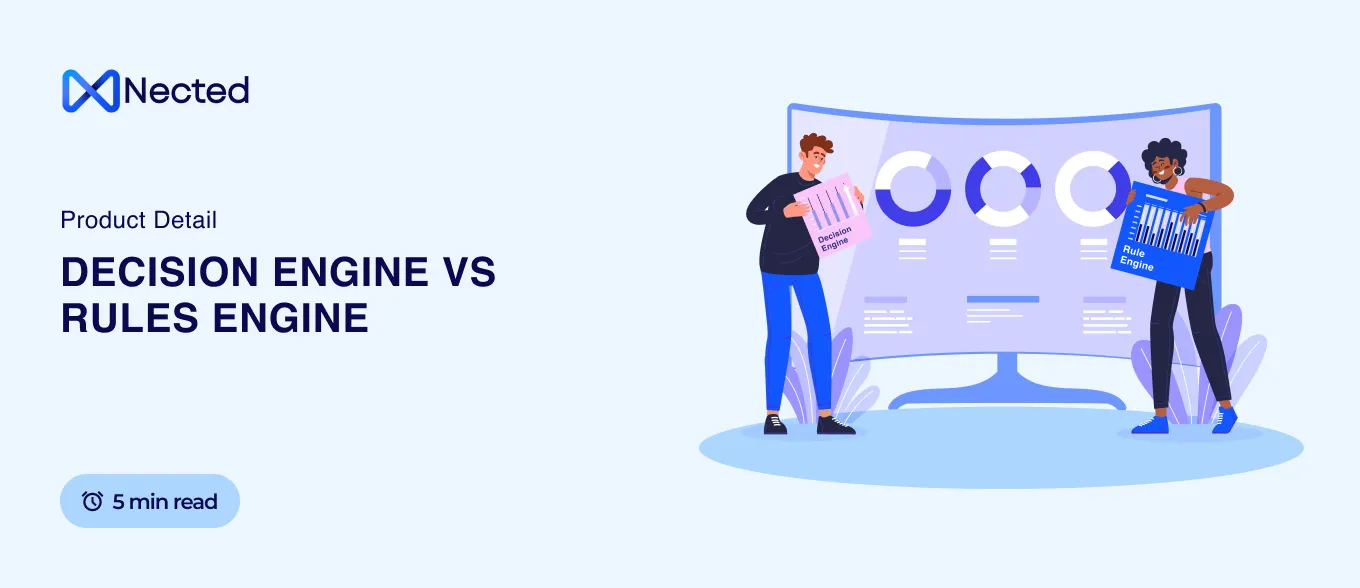
Automating insurance tasks is only one part of the process. Full insurance automation makes sure that each operational decision is made according to the corporate policy, regulatory requirements, and approval process.
For instance, such processes as claims creation, document data extraction, and sending notifications are workflow activities. Whether there should be a fraud check, more documents needed, or straight through processing applicable to the policy is a business decisioning activity.
Here comes the value of platforms like Nected. Nected unifies business rules, artificial intelligence results, workflow orchestration, and approval in one decision flow making it possible to:
- Apply underwriting and claims rules for all cases.
- Consider AI recommendations together with policy conditions and business rules.
- Perform fraud reviews, document requests, and compliance checks in case of certain conditions.
- Redirect exceptions to underwriters, adjusters, or claims managers automatically.
- Have full audit trails for all decisions made during operations.
Also Read: AI Agents for Credit Risk & Underwriting
Conclusion
Automation in insurance is not anymore restricted to operational efficiency alone. For modern-day insurers, there is a need for software solutions that will help them integrate workflows, implement business policies, and ensure decision making in underwriting, claims, and policy administration.
It all boils down to your operational focus, be it process automation, document heavy processing, workflow management in an enterprise environment, or decision-making based on policies. Solutions that include workflow automation and configurable decision making capabilities are ideal in this regard.
Frequently Asked Questions
What is insurance automation software?
Insurance automation software helps insurance firms automate their business processes such as underwriting, claims management, policy administration, customer service, and compliance through reduction of manual intervention and coordination of workflow between different systems.
Which insurance processes can be automated?
Some of the use cases are: policy issuance, FNOL (First Notice of Loss), claims management, underwriting workflow, document verification, renewals, endorsements, fraud detection, customer onboarding, and reporting.
Can insurance operations be completely automated?
Most insurance companies use the human-in-the-loop process where routine processes and low-risk transactions are automated but high-risk claims, exceptions in the underwriting process, and any suspicious transaction are forwarded to an expert.
What should insurers consider when choosing an insurance automation solution?
Think about such aspects as the ability to configure workflow, business rules management, core insurance system integration, document management capability, audit trail, workflow monitoring, and policy-based decision making.
What role does decision orchestration play in insurance automation?
The insurance process includes decisions made on the basis of policy conditions, underwriting policy, approval limits, fraud risk, and regulations. Decision orchestration guarantees that policies will be applied before workflow proceeds further.


.svg.webp)





.webp)
.webp)
%2520(3).webp)
.webp)